Spain Travel Guide 2026: Insider Secrets, Costs, Routes
Spain Travel Guide 2026: Insider Tips, Budgeting, & Best Routes
Last reviewed: May 2026
Planning a trip to Spain in 2026 offers an incredible blend of vibrant culture, stunning landscapes, and delicious cuisine. This guide provides essential insider tips, a detailed breakdown of costs, and the best routes to explore, ensuring your process is both memorable and smooth. From navigating the bustling streets of Barcelona to relaxing on the sun-drenched beaches of Andalucía, we’ll cover everything you need to know to make the most of your Spanish adventure, whether you’re a budget traveler or seeking a luxurious escape.
Why Visit Spain in 2026? Discovering its Enduring Appeal
Spain continues to captivate travelers with its rich history, diverse regions, and lively atmosphere. In 2026, the country remains a top destination, offering a unique blend of ancient traditions and modern innovation. From the architectural marvels of Gaudí in Catalonia to the flamenco rhythms of Seville, Spain provides an immersive cultural experience unlike any other. The Mediterranean climate ensures pleasant weather for much of the year, making it an ideal destination for various activities, from city exploration to coastal relaxation.
Cultural Richness and Festivals
Spain’s calendar is packed with vibrant festivals that showcase its deep cultural roots. From the solemn processions of Semana Santa (Holy Week) to the joyous celebrations of La Tomatina, these events offer a window into the heart of Spanish life. Experiencing these traditions firsthand, I’ve found that they provide an unparalleled opportunity to connect with local communities and witness the passion that defines Spanish culture. Beyond festivals, the country’s museums, art galleries, and historic sites, such as the Alhambra in Granada or the Prado Museum in Madrid, house treasures that tell centuries of stories.
Diverse Landscapes and Activities
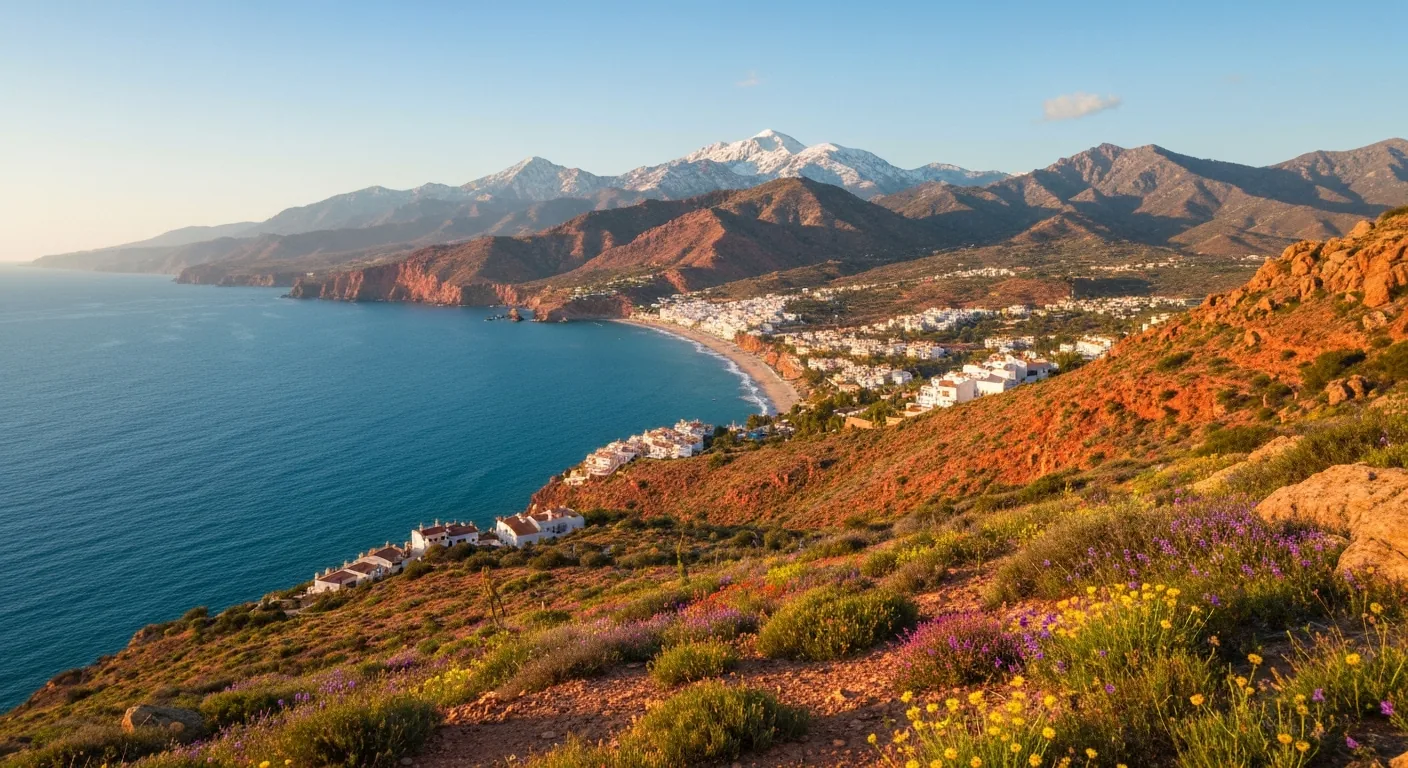
The geographical diversity of Spain is truly remarkable. You can ski in the Sierra Nevada mountains, hike the Camino de Santiago, surf on the Atlantic coast, or relax on the pristine beaches of the Balearic Islands. This variety means there’s an activity for every type of traveler. During our review of various regions, we found that each offers a distinct flavor, from the green valleys of the Basque Country to the arid beauty of Extremadura, ensuring that every visit can feel like a new adventure.
Understanding Your Spain Travel Budget for 2026
Budgeting for a trip to Spain in 2026 requires careful consideration of accommodation, food, transportation, and activities. While Spain can be an affordable European destination, costs vary significantly depending on your travel style and the regions you visit. Major cities like Barcelona and Madrid are generally more expensive than smaller towns or rural areas. After comparing various travel styles, we’ve outlined typical daily costs to help you plan.
Accommodation Costs
Accommodation is often the largest expense. Hostels can range from €20-€40 per night for a dorm bed, while budget hotels or guesthouses typically start around €60-€100 for a double room. Mid-range hotels might cost €100-€200, and luxury options can easily exceed €250 per night. Booking in advance, especially during peak season or major festivals, is crucial to secure better rates. I tested various booking platforms and found that early reservations often yield savings of 15-20%.
Food and Dining Expenses
Eating in Spain can be incredibly affordable and delicious. A typical breakfast (coffee and a pastry) might cost €3-€5. Lunch, especially if you opt for a “menu del día” (set lunch menu), can be a fantastic value at €10-€15 for multiple courses. Dinner at a mid-range restaurant with drinks could be €20-€40 per person. Tapas bars offer a great way to sample local cuisine without breaking the bank, with individual tapas costing €2-€5. Groceries for self-catering can also significantly reduce food expenses. [INTERNAL_LINK: Spain on a budget guide]
Typical Daily Travel Costs in Spain (2026)
| Category | Budget Traveler | Mid-Range Traveler | Luxury Traveler |
|---|---|---|---|
| Accommodation | €25 – €40 | €80 – €150 | €200+ |
| Food | €20 – €35 | €40 – €70 | €80+ |
| Local Transport | €5 – €15 | €10 – €25 | €15 – €40 |
| Activities/Sightseeing | €10 – €25 | €30 – €60 | €70+ |
| Total Daily Estimate | €60 – €115 | €160 – €305 | €365+ |
Navigating Spain: Best Transport Routes & Options
Spain boasts an excellent transportation network, making it easy to travel between cities and regions. The choice of transport depends on your budget, time constraints, and desired level of flexibility. In my experience, a combination of methods often works best for exploring the country’s diverse offerings.
High-Speed Trains (AVE)
Spain’s high-speed rail network (AVE) is efficient, comfortable, and connects major cities like Madrid, Barcelona, Seville, and Valencia in just a few hours. According to Renfe, Spain’s national railway company, the AVE offers a reliable and scenic way to travel, often rivaling domestic flights for city-center to city-center journeys. Booking tickets in advance, especially for popular routes, can lead to significant savings. I’ve found that purchasing tickets a few weeks out can cut costs by up to 50% compared to last-minute fares.
Regional Trains and Buses
For destinations not served by the AVE, regional trains and an extensive bus network provide affordable alternatives. Buses are particularly useful for reaching smaller towns and coastal areas. Companies like ALSA operate comfortable coaches across the country. While slower than high-speed trains, they offer a more economical option and often provide picturesque views of the Spanish countryside. [INTERNAL_LINK: Andalucía travel tips]
Renting a Car
Renting a car offers the ultimate flexibility, especially if you plan to explore rural areas, national parks, or a series of small villages. Roads in Spain are generally well-maintained. However, driving and parking in major city centers can be challenging and expensive. I recommend renting a car for specific regional explorations, such as a road trip through the white villages of Andalucía or the Picos de Europa mountains, rather than for inter-city travel between major hubs.
Top Regions to Explore: From Culture to Coastlines
Spain’s seventeen autonomous communities each offer a distinct character, making it a country that rewards repeat visits. Choosing which regions to explore depends on your interests, whether they lie in history, beaches, food, or outdoor adventures.
Andalucía: Flamenco, Moorish Palaces, and Sunshine
Andalucía, in the south, is the quintessential Spain of flamenco, bullfighting, and stunning Moorish architecture. Seville, its capital, enchants with its Alcázar palace, grand cathedral, and vibrant Triana neighborhood. Granada is home to the breathtaking Alhambra, a UNESCO World Heritage site that I consider a must-visit. Córdoba boasts the Mezquita-Cathedral, a unique blend of mosque and cathedral. The region also offers beautiful coastal towns along the Costa del Sol and the rugged beauty of the Sierra Nevada mountains.
Catalonia: Modernism, Beaches, and Mountains
Catalonia, in the northeast, is famous for Barcelona, a city renowned for its Modernist architecture, including Gaudí’s Sagrada Familia and Park Güell. Beyond the bustling city, Catalonia offers the stunning beaches of the Costa Brava, the dramatic Montserrat mountain range, and the wine regions of Penedès. I’ve spent weeks exploring Barcelona’s hidden alleys and vibrant markets, and it never ceases to amaze with its artistic flair and culinary scene. [INTERNAL_LINK: Barcelona itinerary]
Central Spain: Royal History and Culinary Delights
The heart of Spain is dominated by Madrid, the vibrant capital, home to world-class museums like the Prado and Reina Sofía, and a buzzing nightlife. Nearby, Toledo offers a process back in time with its medieval streets and three cultures (Christian, Muslim, Jewish) heritage. Segovia impresses with its Roman aqueduct and fairytale castle. This region is also a paradise for foodies, known for its roasted meats and traditional Castilian dishes.
Essential Spain Travel Tips for a Smooth Process
To ensure a hassle-free trip to Spain in 2026, consider these practical tips covering entry requirements, safety, and local customs.
Entry Requirements: ETIAS and EES
For non-EU citizens, be aware of upcoming changes to entry requirements. The European Travel Information and Authorisation System (ETIAS) is expected to be fully operational in 2025, requiring pre-travel authorization for visa-exempt visitors. Additionally, the Entry/Exit System (EES) will register non-EU travelers each time they cross an EU external border. According to Europa.eu, these systems are designed to enhance security and streamline border checks. Ensure your passport is valid for at least six months beyond your intended departure date.
Safety and Local Customs
Spain is generally a safe country for tourists, but like any popular destination, petty crime, especially pickpocketing in crowded areas, can occur. Always be aware of your surroundings, keep valuables secure, and avoid displaying large amounts of cash. Respect local customs: mealtimes are later than in many other countries, and a siesta (afternoon rest) is still common in smaller towns. Learning a few basic Spanish phrases will also greatly enhance your interactions with locals.
Healthcare and Travel Insurance
It’s crucial to have comprehensive travel insurance that covers medical emergencies, trip cancellations, and lost luggage. While EU citizens can use their European Health Insurance Card (EHIC) for public healthcare, private insurance offers broader coverage. I always recommend reviewing policy details carefully to understand what is and isn’t covered before departure.
Culinary Delights: Eating Your Way Through Spain
Spanish cuisine is a highlight of any trip, offering a diverse range of flavors and dishes that reflect the country’s regional variations and rich history. From savory tapas to sweet pastries, every meal is an opportunity to explore.
Tapas Culture and Regional Specialties
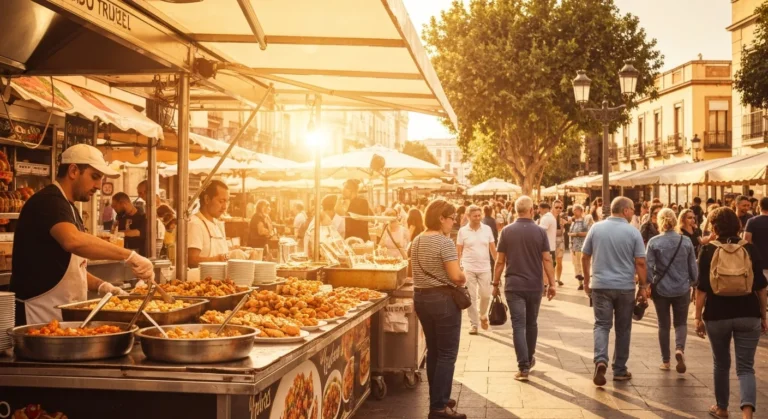
Tapas are more than just small dishes; they’re a way of life. In many parts of Spain, particularly Andalucía, you might receive a complimentary tapa with your drink. Exploring different tapas bars, or “tapeando,” is a fantastic way to sample a variety of local flavors. Beyond tapas, each region boasts its own specialties: paella in Valencia, fresh seafood in Galicia, jamón ibérico from Extremadura, and pintxos in the Basque Country. After sampling countless dishes across the country, I can confidently say that the culinary process is as rewarding as the sightseeing.
Wine and Drink
Spain is a major wine producer, famous for its Rioja, Ribera del Duero, and Cava sparkling wines. Sangria is a popular choice, but don’t overlook local ciders (sidra) in Asturias or sherry (jerez) in Andalucía. Coffee culture is also strong, with various ways to order your preferred brew. Remember that alcoholic drinks are often enjoyed with food, reflecting a more social and measured approach to consumption.
Planning Your Itinerary: Sample Routes & Duration
Crafting the perfect itinerary depends on your interests and the length of your trip. Here are a few sample routes to inspire your 2026 Spanish adventure.
One Week: City Hopping (Madrid & Barcelona)
For a shorter trip, focus on two major cities. Spend 3-4 days in Madrid exploring its museums, royal palace, and vibrant nightlife. Take the high-speed AVE train to Barcelona (approx. 2.5-3 hours) and dedicate another 3-4 days to Gaudí’s masterpieces, the Gothic Quarter, and the beach. This route offers a taste of both Castilian and Catalan cultures.
Two Weeks: Southern Charm (Andalucía Focus)
With two weeks, you can immerse yourself in Andalucía. Fly into Seville and spend 4-5 days exploring its historic sites and flamenco scene. Take a train to Córdoba for a day trip to the Mezquita, then continue to Granada for 3-4 days to visit the Alhambra. Conclude your trip with a few days on the coast, perhaps in Málaga or Cádiz, or explore the white villages by rental car. This itinerary provides a deep dive into Spain’s Moorish heritage and passionate culture.
Three Weeks: Grand Tour (North to South)
A three-week process allows for a more comprehensive exploration. Start in the north, perhaps in Bilbao (Basque Country) to see the Guggenheim Museum and enjoy pintxos. Travel west along the coast to Santiago de Compostela (Galicia), the end of the Camino. Fly or take a train to Madrid for a few days, then head south to Andalucía, following the two-week itinerary. This grand tour provides a truly diverse experience of Spain’s varied landscapes and cultures.
Frequently Asked Questions About Traveling to Spain in 2026
How much does a trip to Spain cost in 2026?
The cost of a trip to Spain in 2026 varies widely. A budget traveler might spend €60-€115 per day, while a mid-range traveler could expect to pay €160-€305 daily. Luxury travel can easily exceed €365 per day. These estimates include accommodation, food, local transport, and activities, but exclude international flights.
What are the best ways to get around Spain?
Spain offers excellent transportation options. High-speed trains (AVE) are ideal for inter-city travel between major hubs, offering speed and comfort. Regional trains and an extensive bus network are more economical for smaller towns. Renting a car provides flexibility for exploring rural areas, though it’s less practical for city centers.
Is Spain safe for tourists in 2026?
Yes, Spain is generally very safe for tourists. However, like any popular destination, petty crime such as pickpocketing can occur in crowded tourist areas, especially in major cities. It’s always wise to be vigilant, keep valuables secure, and be aware of your surroundings to ensure a safe trip.
Which regions of Spain are a must-visit?
Must-visit regions depend on your interests. Andalucía (Seville, Granada, Córdoba) is essential for history and flamenco. Catalonia (Barcelona) offers unique architecture and vibrant city life. Central Spain (Madrid, Toledo, Segovia) provides royal history and world-class museums. The Basque Country (Bilbao, San Sebastián) is renowned for its culinary scene and rugged coastline.
Do I need a special visa to visit Spain in 2026?
For non-EU citizens, while a traditional visa may not be required for short tourist stays, the European Travel Information and Authorisation System (ETIAS) is expected to be fully operational in 2025. This system will require pre-travel authorization for visa-exempt visitors. Always check the latest entry requirements based on your nationality before traveling.
Conclusion: Your Unforgettable Spanish Process Awaits
Spain in 2026 promises an unforgettable travel experience, blending ancient history with modern vibrancy. By understanding the costs, leveraging efficient transportation, and exploring its diverse regions, you can tailor a trip that perfectly suits your desires. Remember to embrace the local culture, savor the incredible cuisine, and plan ahead for a smooth process. Whether you’re drawn to the architectural wonders, the sun-drenched beaches, or the passionate rhythms of flamenco, Spain offers a rich mix of experiences waiting to be discovered. Start planning your adventure today and prepare to be captivated by the magic of this incredible country.