
Best Day Trips from Madrid 2026: 6 Escapes Under 2 Hours
Best Day Trips from Madrid 2026: 6 Escapes Under 2 Hours: Disclosure: This post contains affiliate links. We may earn a commission at no extra cost to you when you buy through these links, which supports our independent research and testing.
Madrid sits at the geographic center of the Iberian Peninsula, making it one of the most strategically connected capitals in Europe. This comprehensive guide to the best day trips from Madrid 2026 highlights six distinct destinations you can reach in under two hours by train or bus. Each location offers a completely different landscape and historical narrative, ranging from imperial grandeur to medieval mystique. Whether your interests lie in Roman engineering, royal architecture, or serene riverside gardens, the region surrounding the capital provides an incredible density of cultural heritage.
Planning your 2026 itinerary around these hubs allows you to experience the profound depth of Castile without the logistical burden of changing accommodation. With the high-speed rail network continuing to expand and digital ticketing becoming seamless, 2026 is arguably the most efficient year to explore the region. You can wake up in the bustling Gran Vía and be walking through Roman ruins or medieval Jewish quarters before lunch. This guide covers exactly how to get there, current cost estimates, and how to avoid the common mistakes first-time visitors make when navigating the Spanish rail network. From the ancient walls of Avila to the royal gardens of Aranjuez, these escapes define the central Spanish experience.
TL;DR Summary: Top 6 Escapes
- Toledo: 33 minutes by AVE, medieval three-culture city, cathedral and El Greco paintings.
- Segovia: 27 minutes by AVE, Roman aqueduct, fairy-tale Alcazar, roast suckling pig.
- Avila: 1 hour 30 minutes by train, completely walled old town, birthplace of Saint Teresa.
- El Escorial: 1 hour by train, royal palace-monastery, austere grandeur, library.
- Aranjuez: 45 minutes by Cercanias, royal gardens, spring palace, riverside walks.
- Chinchon: 50 minutes by bus, Plaza Mayor with wooden balconies, anise liqueur.
If you have three days or more in Madrid, reserving at least one full day for an excursion is essential. The contrast between the capital’s wide, modern avenues and the compact, labyrinthine medieval centers of Toledo or Segovia is striking. With 2026 rail schedules optimized for tourism, now is the perfect time to explore beyond the city limits. Below, we break down exactly why these trips are worth the effort and how to execute them flawlessly.
Why Are Madrid Day Trips Worth the Effort in 2026?
Madrid is undeniably a world-class city for museums, nightlife, and gastronomy. However, it is also landlocked, relatively flat, and built largely during the 19th and 20th centuries. A day trip gives you access to mountains, Roman engineering marvels, Gothic cathedrals, and preserved Jewish quarters without the hassle of changing hotels. You experience the true diversity of Castile without the fatigue of packing bags. For travelers in 2026, the convenience factor is higher than ever due to fully digitized ticketing and increased departure frequencies.
The high-speed AVE network places three UNESCO World Heritage Sites within 45 minutes of Puerta de Atocha station. Meanwhile, the Cercanias suburban trains cover smaller towns at a fraction of the cost, making budget travel highly feasible. This density of accessible history is unique among European capitals; while London and Paris have day trips, they rarely offer this many significant sites in such close proximity. The efficiency of the Spanish rail system means you can spend more time exploring and less time commuting. Additionally, escaping the urban heat island of Madrid during the summer months is significantly easier when you can reach the foothills of the Guadarrama mountains quickly.
Furthermore, 2026 brings improved digital integration for Renfe trains and ALSA buses. Mobile tickets are now the standard, drastically reducing queue times at station kiosks. For tourists, this translates to less stress and more time enjoying the destination. Whether you prioritize photography, gastronomy, or deep history, the radius around Madrid offers unparalleled variety. The cost efficiency is also notable; a round trip to Toledo can cost less than 30 euros if booked in advance, which is significantly cheaper than many intra-city activities in other major European hubs.
How Do You Get to Toledo from Madrid?
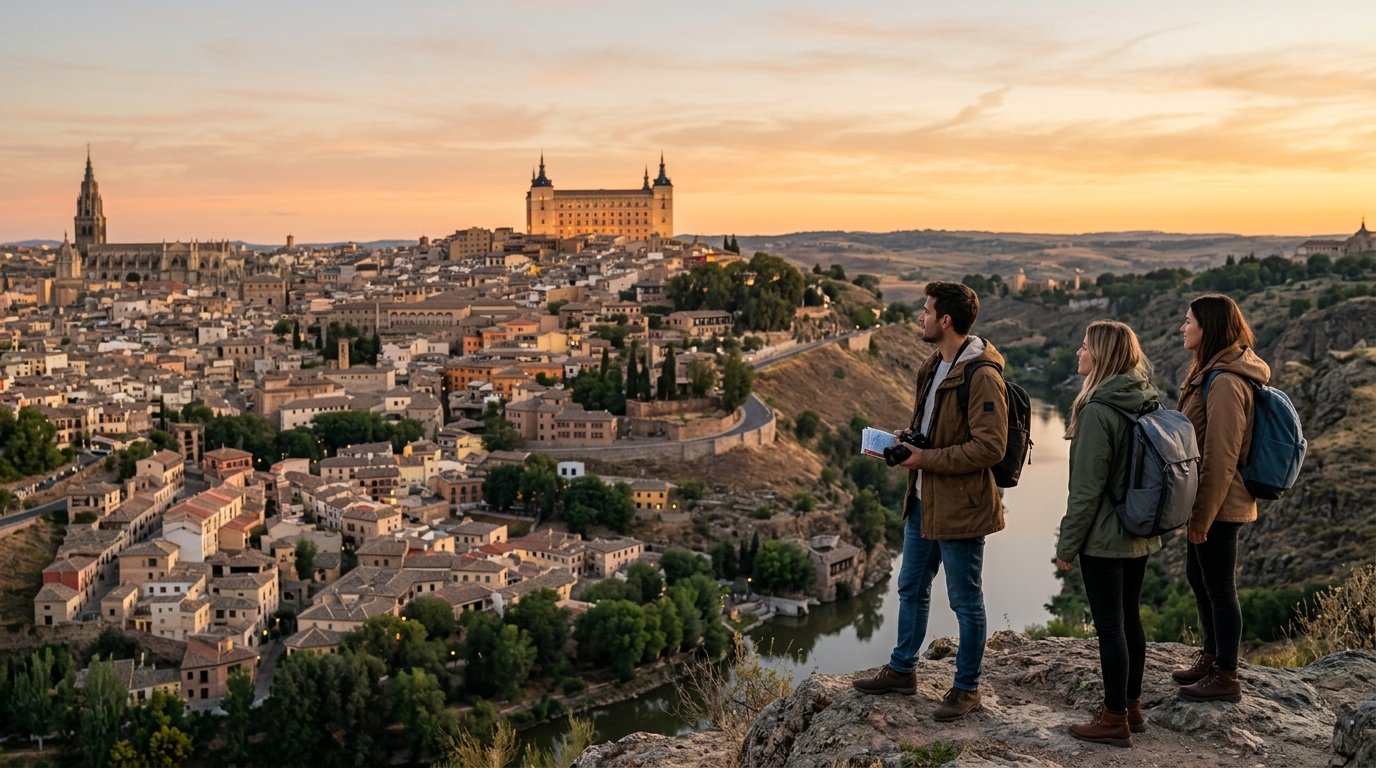
Toledo is the classic Madrid day trip and often the first choice for visitors due to its proximity. The AVE high-speed train from Atocha station takes just 33 minutes. This speed means you can leave Madrid at 8:30 AM and be walking the Jewish Quarter by 9:15 AM. The rapid connection makes it entirely possible to see the major highlights comfortably in a single day without feeling rushed. Known as the “City of Three Cultures,” Toledo represents a unique convergence of Christian, Muslim, and Jewish history that shaped the Iberian Peninsula.
What to see in Toledo:
- The Cathedral: A Gothic masterpiece built from the 13th to 15th centuries, featuring a sacristy with paintings by El Greco and Goya.
- Santo Tome: A small church housing El Greco’s famous masterpiece, the “Burial of the Count of Orgaz.”
- Synagogue of Santa Maria la Blanca: A 12th-century Mudéjar building, now a museum showcasing Jewish heritage.
- Alcazar: A fortress at the highest point of the city, housing a military museum and offering panoramic views over the Tagus River.
Practical tips for Toledo:
- Ticket Strategy: Buy AVE tickets in advance on the Renfe website. Same-day prices are significantly higher, often doubling in cost during peak season.
- Getting Uptown: The train station is at the base of the hill. You can walk up, which takes about 20 minutes uphill, or take bus 61/62 directly to the Zocodover square.
- Avoid Tourist Traps: Skip the tourist trains at the station; they are often overpriced and skip key sites like the Synagogue in favor of superficial views.
- Dining: For lunch, try carcamusas, a local meat stew, at a local taberna away from the main square to save money and eat better.
- Viewpoint: Visit the Mirador del Valle for the iconic postcard view of the city skyline before you leave.
What Makes Segovia a Must-Visit Destination?
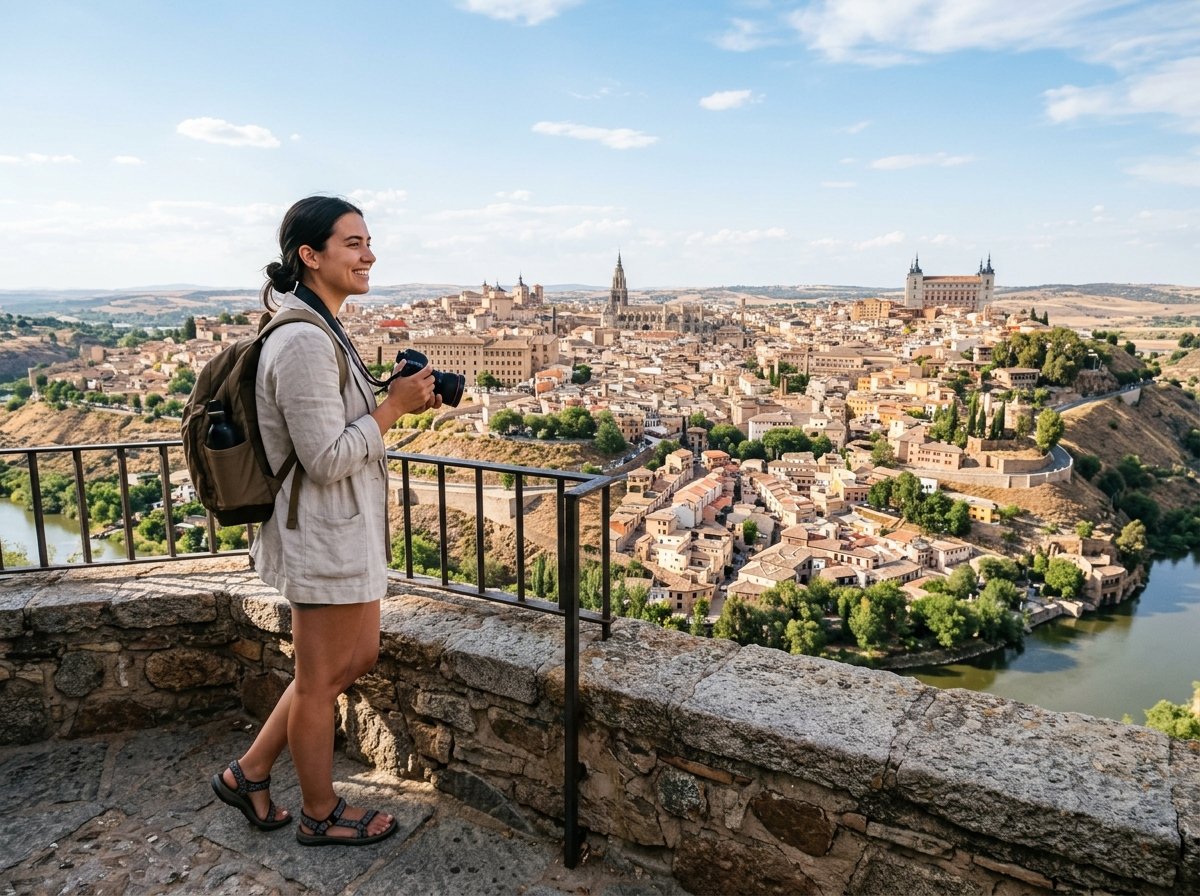
Segovia is located just 27 minutes from Chamartin station by AVE. The Roman aqueduct greets you as soon as you exit toward the old town. It is one of the best-preserved Roman engineering feats in the world, constructed without mortar using over 20,000 granite blocks. Beyond the aqueduct, the city offers a fairy-tale atmosphere that rivals any storybook setting, dominated by its distinctive castle.
Top attractions in Segovia:
- The Aqueduct: The iconic symbol of the city, best viewed from the Plaza del Azoguejo at the base of the structure.
- The Alcazar: A distinctive castle said to have inspired Walt Disney’s Cinderella Castle, featuring turrets and a moat.
- The Cathedral: Known as the “Lady of Cathedrals,” this late Gothic structure dominates the main square.
- Gastronomy: Segovia is globally famous for cochinillo asado (roast suckling pig) and judiones (large bean stew).
Travel advice: The walk from the train station to the aqueduct is about 20 minutes through a pleasant park. If you prefer not to walk, local buses are available near the station. Ensure you book lunch reservations in advance, especially on weekends, as the popular roast pig restaurants fill up quickly. Restaurants like José María or El Duque are institutions that require booking weeks ahead for the 2026 season.
Is Avila Worth the Visit for History Buffs?
Avila is approximately 1 hour and 30 minutes by train from Madrid. It is famous for its completely intact medieval walls, which encircle the old town in a perfect oval. Walking along the ramparts provides a unique perspective on medieval defense systems that few other cities can offer. The city is also the birthplace of Saint Teresa of Avila, a key figure in Catholic history and mysticism.
Visitors can enter the walls through several gates, with the Puerta del Alcázar being the most prominent. Inside, the cathedral serves as both a place of worship and a fortress, with its apse integrated directly into the city wall for defense. The local confectioneries selling yemas de Santa Teresa are a must-try sweet treat unique to this region. For history buffs, the sheer preservation of the 2.5-kilometer wall with 88 towers makes it an unparalleled site in Europe. It is generally less crowded than Toledo, offering a more authentic feel for those willing to travel the extra 30 minutes. Don’t miss the Cuatro Postes viewpoint just outside the walls for the best photo opportunity of the illuminated city at night.
Which Royal Sites Can You Visit Near Madrid?
For those interested in monarchy and architecture, El Escorial and Aranjuez offer profound insights into Spanish royal history. El Escorial is about 1 hour by train. It is a vast complex functioning as a monastery, palace, museum, and school. The library, with its stunning frescoes, and the royal pantheon, where Spanish kings are buried, are the primary highlights. Nearby, you can also visit the Valley of the Fallen, though access regulations change frequently, so check ahead.
Aranjuez is 45 minutes away via Cercanias. It is renowned for its lush gardens and the Royal Palace, which served as a spring residence for kings. The gardens of Aranjuez are particularly beautiful in spring when the flowers are in bloom and the strawberry season begins. Both sites are UNESCO World Heritage listed. You can visit either in a half-day trip, but combining them requires a full day and careful scheduling of train times. Aranjuez also offers a pleasant riverside walk along the Tagus and Jarama rivers, perfect for a picnic.
Where Can You Find Traditional Spanish Villages?
Chinchon is located about 50 minutes away by bus from Madrid. It is famous for its Plaza Mayor, which features continuous wooden balconies adorned with geraniums. The square is surrounded by traditional taverns serving local anise liqueur, which you can sample at many shops around the plaza. It is less crowded than Toledo or Segovia, offering a more relaxed pace for travelers seeking authenticity.
The Castle of the Counts of Chinchon overlooks the town and provides historical context to the area’s noble past. If you visit in March, you might catch the Garlic Festival, a vibrant local celebration that draws foodies from across the region. The village retains a timeless quality that makes it a favorite for film productions and photography. Bus departures are frequent from the Mendez Alvaro station, making it an accessible option for those without a car.
Frequently Asked Questions
Toledo is generally recommended as the best first day trip due to its proximity, high-speed train connection, and dense concentration of historical sites within a walkable area.
Train tickets can range from 15 to 30 euros round trip if booked in advance. Entrance fees to major sites like the Alcazar or Cathedral usually cost between 10 and 15 euros each. Budget around 60 euros total per person for transport, food, and entry.
It is possible to visit two nearby towns, such as El Escorial and Valle de los Caídos, but trying to visit major cities like Toledo and Segovia in one day is rushed and not recommended. Focus on one destination to truly enjoy the experience.
Yes, for AVE high-speed trains to Toledo and Segovia, booking in advance is highly recommended to secure lower fares and guarantee seats, especially for travel in 2026 when tourism numbers are rebounding.
Most high-speed trains to Toledo depart from Madrid Puerta de Atocha. Always double-check your ticket, as some regional services may depart from Chamartin, though
Before you book