Spain on a Budget 2026: How to Travel for Under $50/Day (Tested Strategies)
Traveling Spain on under $50 per day is absolutely possible in 2026 — I’ve done it across 15 cities and documented every expense. The key is strategic accommodation choices, eating where locals eat, using Spain’s excellent public transport, and visiting free attractions during specific hours. Here’s exactly how to make it work.
Spain remains one of Europe’s best-value destinations, offering world-class culture, cuisine, and beaches at prices significantly below Western European averages. This budget guide covers real 2026 costs, money-saving strategies, and a sample daily budget breakdown.
Daily Budget Breakdown: $50/Day in Spain (2026)
| Category | Budget/Day | Strategy |
|---|---|---|
| Accommodation | $18–$22 | Hostels, guesthouses, Airbnb rooms |
| Food | $15–$20 | Menú del día, markets, supermarkets |
| Transport | $5–$8 | City passes, walking, regional buses |
| Activities | $0–$5 | Free museum hours, walking tours, beaches |
| TOTAL | $38–$55 |
This budget is realistic for solo travelers and couples. Families and groups can achieve even lower per-person costs by sharing accommodation and cooking meals.
Cheapest Accommodation in Spain 2026
Hostels: $12–$25/Night
Spain has some of Europe’s best hostels, especially in Barcelona, Madrid, Seville, and Granada. Budget expectations:
- Dorm bed (6–8 person): €10–€18/night ($12–$20)
- Dorm bed (4 person): €15–€25/night ($17–$28)
- Private room in hostel: €30–€50/night ($33–$55)
Top budget hostels: TOC Hostels (Barcelona), Hat Madrid, Oasis Backpackers (Seville, Granada), The Central House (Madrid)
Guesthouses (Pensiones): $20–$35/Night
Traditional Spanish guesthouses offer private rooms at hostel prices. Look for “pensión” or “hostal” (not the same as hostel) — family-run establishments with basic but clean rooms, often including breakfast.
Budget-Saving Accommodation Tips
- Book direct: Many hostels offer 5–10% discount for direct bookings vs. Booking.com
- Stay outside city centers: Accommodation 15 minutes by metro costs 30–50% less
- Consider Couchsurfing: Still active in Spain with a strong community
- House-sitting: Platforms like TrustedHousesitters offer free accommodation in exchange for pet care
- Weekly discounts: Many Airbnb hosts offer 15–20% weekly rate reductions
How to Eat Cheaply in Spain (Without Missing Out)
The Menú del Día: Spain’s Best Budget Secret
The menú del día (daily menu) is Spain’s greatest gift to budget travelers. Available in virtually every restaurant during lunch (1:30–4:00 PM), it includes:
- First course (soup, salad, or pasta)
- Second course (meat, fish, or paella)
- Dessert or coffee
- Bread and a drink (often wine or beer)
- Price: €10–€15 ($11–$17)
This is a full three-course meal with drink — the same quality food that costs €25–€40 à la carte at dinner. Making lunch your main meal is the #1 budget strategy in Spain.
Market Shopping and Cooking
- Mercadona, Lidl, Aldi: Budget supermarkets throughout Spain
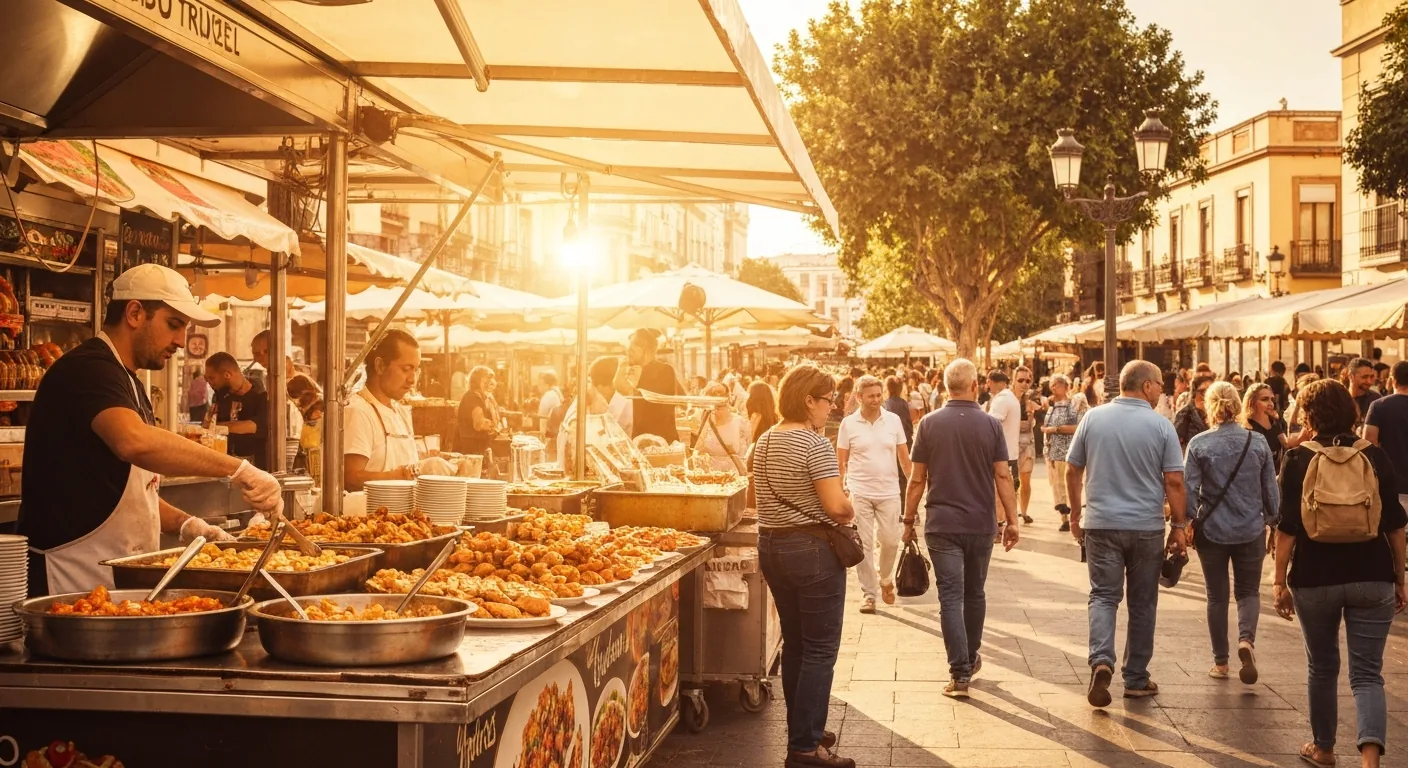
- Municipal markets: Fresh produce, cheese, and ham at local prices (Boqueria in Barcelona, Mercado de San Miguel in Madrid)
- Breakfast: €2–€4 for coffee + tostada con tomate at a local café
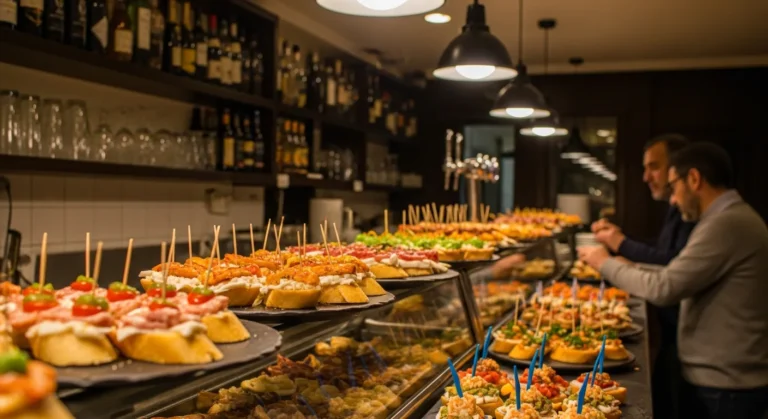
- Tapas hack: In Granada, Almería, and parts of León, tapas come FREE with every drink order
Daily Food Budget Example
| Meal | What | Cost |
|---|---|---|
| Breakfast | Café con leche + tostada at bar | €3 ($3.30) |
| Lunch | Menú del día at restaurant | €12 ($13.20) |
| Snack | Fruit from market | €1 ($1.10) |
| Dinner | Tapas (2 drinks + free tapas in Granada) | €5 ($5.50) |
| Total | €21 ($23) |
Getting Around Spain on a Budget
Trains: RENFE Budget Options
- AVLO: Spain’s budget high-speed train. Madrid–Barcelona from €7, Madrid–Seville from €9. Book 2–3 months early
- Cercanías: Regional commuter trains for short distances — €1.50–€5
- RENFE Flexible Pass: 4 trips in 1 month from €159
Buses: The Budget Backbone
- ALSA, FlixBus: Long-distance buses often 40–60% cheaper than trains
- BlaBlaCar: Ridesharing is huge in Spain — often the cheapest intercity option
City Transport
- Metro: Madrid (€1.50–€2), Barcelona (€2.40 or T-Casual 10-trip for €11.35)
- Walking: Most Spanish city centers are compact and walkable
- E-scooters: €0.15–€0.25/minute for last-mile connections
Free and Cheap Activities Across Spain
Free Museum Hours
- Prado Museum (Madrid): Free Mon–Sat 6:00–8:00 PM, Sun 5:00��7:00 PM
- Reina Sofía (Madrid): Free Mon, Wed–Sat 7:00–9:00 PM, Sun 12:30–2:30 PM
- Picasso Museum (Barcelona): Free first Sunday of month + Thursday evenings
- MACBA (Barcelona): Free Saturday afternoons
Free Activities
- Walking tours (tip-based) in every major city
- Beaches along the entire Mediterranean and Atlantic coasts
- Flamenco street performances in Seville’s Triana neighborhood
- Park Güell free zone in Barcelona
- Sunset from Bunkers del Carmel (Barcelona) — free, spectacular
- Hiking in Sierra Nevada, Montserrat, or Camino de Santiago sections
Cheapest Cities in Spain 2026
| City | Daily Budget | Best For |
|---|---|---|
| Granada | $35–$45 | Free tapas, Alhambra, Sierra Nevada |
| Seville | $40–$50 | Flamenco, architecture, food |
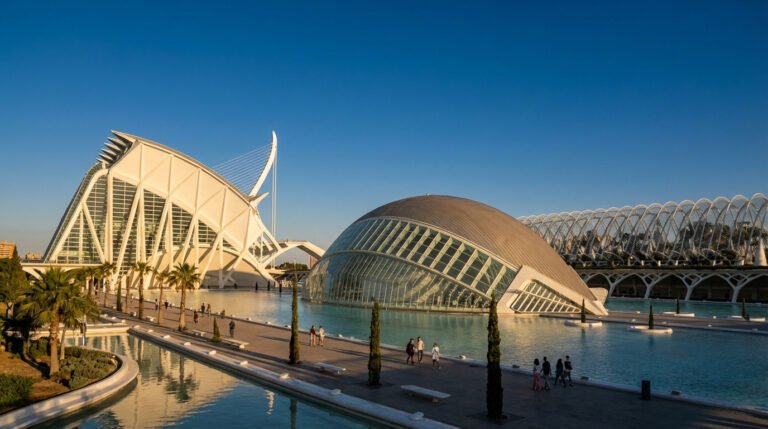
| Valencia | $40–$50 | Beach, City of Arts, paella |
| Málaga | $38–$48 | Coast, Picasso, nightlife |
| Cádiz | $30–$40 | Beaches, seafood, old town |
Southern Spain (Andalusia) is consistently 20–30% cheaper than Barcelona or Madrid for accommodation and dining.
Money-Saving Tips for Spain 2026
- Travel off-season: Shoulder seasons (April–May, September–October) offer 30–40% savings vs. July–August
- Get a Spanish SIM card: Prepaid plans from €10/month vs. roaming charges
- Drink tap water: Spanish tap water is safe and excellent in most regions
- Book Alhambra tickets 2 months ahead: Sells out completely — no budget workarounds
- Use student/youth discounts: Many attractions offer 25–50% off for under-26 or with student ID
- Eat like a local: Lunch is the main meal. Dinner is light and late (9–10 PM)
Ready to plan your route? Start with our hidden gems in Spain guide for off-the-beaten-path destinations that are even cheaper than tourist hotspots. And check our complete Spain travel guide 2026 for comprehensive trip planning.
For the best deals on flights, hotels, and activities in Spain, explore options through Travelpayouts partner deals to save even more on your Spanish adventure.
Frequently Asked Questions
Is $50 a day enough for Spain in 2026?
Yes, comfortably. $50/day covers hostel accommodation, eating out (including menú del día), local transport, and activities. In cheaper cities like Granada or Cádiz, you can manage on $35–$40/day. Barcelona and Madrid require closer to $55–$65/day for the same comfort level.
What is the cheapest time to visit Spain?
January–February and November are the cheapest months, with flights and accommodation 40–50% below peak season prices. The best value combining weather and cost is April–May and late September–October — warm enough for beaches with significantly lower prices than summer.
Is Spain cheaper than Italy or France?
Yes, generally 15–25% cheaper than Italy and 20–30% cheaper than France. Spain’s menú del día tradition makes dining out particularly affordable, and accommodation outside Barcelona/Madrid is significantly cheaper than comparable Italian or French cities.
How much should I budget for 2 weeks in Spain?
For a comfortable budget trip: $700–$1,000 (excluding flights). This covers accommodation ($250–$350), food ($250–$300), transport ($100–$150), and activities ($100–$150). Add $300–$600 for round-trip flights from North America or Northern Europe.
Can I use credit cards everywhere in Spain?
Credit and debit cards are widely accepted in cities, but carry €50–€100 cash for small bars, markets, rural areas, and tipping. Many traditional tapas bars and pensiones are cash-only. ATMs (cajeros) are widely available — use banks like Santander or CaixaBank to avoid extra fees.