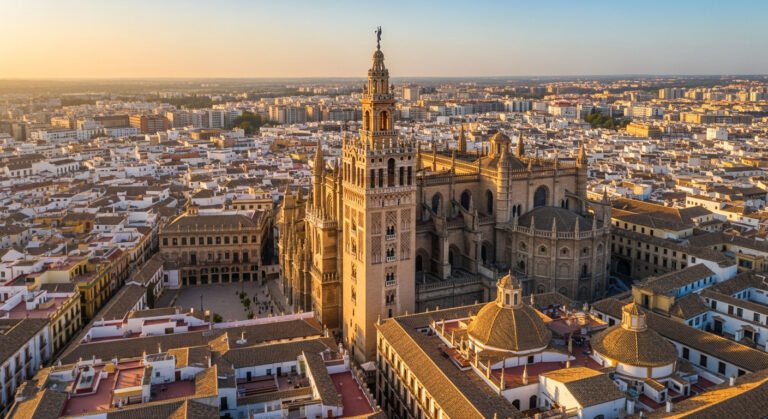
Alicante 3-Day Itinerary: What to See, Eat & Do in 2026
title: “Alicante 3-Day Itinerary: What to See, Eat & Do in 2026”
slug: alicante-3-day-itinerary
meta_description: “3 days in Alicante? Our hand-tested itinerary covers the Santa Bárbara castle, beach, rice dishes + where to sleep. Updated 2026.”
category: itineraries-budget
date: 2026-04-24
author: Maria Santos
affiliate_disclosure: “This post contains affiliate links. We earn a small commission at no extra cost to you.”
Alicante 3-Day Itinerary: What to See, Eat & Do in 2026
TL;DR
- Total budget: €220–400 per person for 3 days (mid-range), excluding flights
- Best months: April–June or September–October. Year-round mild — Alicante averages 340 sunny days
- Must-do: Santa Bárbara castle at sunset, arroz a banda lunch at Tabarca, walk the Explanada
- Skip: English-menu paella on the beach promenade (tourist traps), generic Irish pubs on Rambla
- Getting around: TRAM light rail to beaches €1.35, walk the old town, ferry to Tabarca
Alicante is the Spanish beach city most British and Nordic visitors arrive at without realising it has a serious historic centre. They touch down at Alicante-Elche airport, pick up a rental car, and drive to Benidorm or Torrevieja. This is a mistake. Alicante has a hilltop 16th-century castle (Santa Bárbara) 166 meters above the sea that is among the largest castles in Europe. It has 3 km of urban beach. It has a fishing village 11 km offshore (Tabarca) reachable by ferry. And it has a rice cuisine that rivals Valencia’s.
This Alicante 3-day itinerary is for someone who wants the city + a proper beach day + the offshore island experience. You’ll eat arroz a banda at a spot where fishermen still land the rice-broth-fish they use. You’ll hike up to the castle or take the elevator from the beach. And you’ll probably realise Alicante is underrated compared to its crowded northern neighbor Valencia.
Find flights to Alicante-Elche on Trip.com with flexible dates.
How to Get to Alicante
Alicante-Elche airport (ALC) is 10 km west. Among Spain’s busiest tourist airports.
- TRAM tram line C-6 — €4.50, 25 min to central Alicante (Luceros)
- Bus C-6 (Vectalia) — €3.85, 30 min
- Taxi — €20 flat weekdays, €25 nights
From Madrid: 2h20 by AVE (€30–65). From Barcelona: 4h50 by Euromed train (€40–80). From Valencia: 1h40 by Avant (€22) — far better than the bus.
Where to Stay in Alicante: 3 Neighbourhoods Locals Recommend
Casco Antiguo — Around the basilica and castle base. 3-star hotels €75–130/night.
Postiguet / Paseo del Mar — Directly on the main city beach. 4-star hotels €120–240/night with sea views.
Centro (around Esplanada) — The Rambla shopping area. Hotels €65–110/night, walk to beach and old town.
| Neighbourhood | Price Range/Night | Best For | Walk to Beach |
|---|---|---|---|
| Casco Antiguo | €75–180 | Historic atmosphere | 10 min |
| Postiguet / Paseo | €120–240 | Beach, views | 0 min |
| Centro | €65–140 | Central, value | 5 min |
| Budget hostels | €22–40 dorm | Backpackers | 5 min |
Compare Alicante hotels on Booking.com with free cancellation.
Day 1: Santa Bárbara Castle, Old Town, and First Rice Dish
Morning (9:30 – 13:30)
Start at Postiguet beach. The main city beach — 900m of sand, directly below the castle. Walk south to the Elevador del Castillo (beach entrance near Parque de Canalejas) — a free lift cut into the rock that takes you 166m up to the castle in 90 seconds. Cheaper than the taxi, faster than walking.
Castillo de Santa Bárbara. Free entry. The 9th-century Moorish origins have been expanded multiple times through the 16th–18th centuries. 45,000 square metres of fortifications. The upper plateaus have 360-degree views of the city, bay, and out to Tabarca island. Walk the ramparts, visit the free Museum of the City of Alicante inside the keep. Budget 90 min. Descend via the same elevator or walk down the path to the Santa Cruz neighborhood.
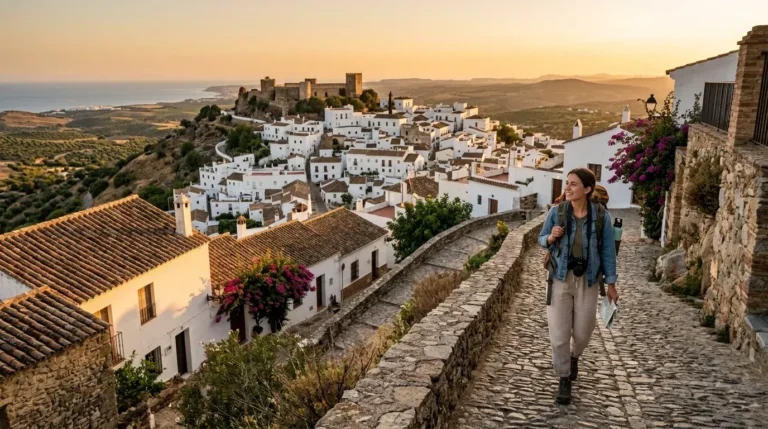
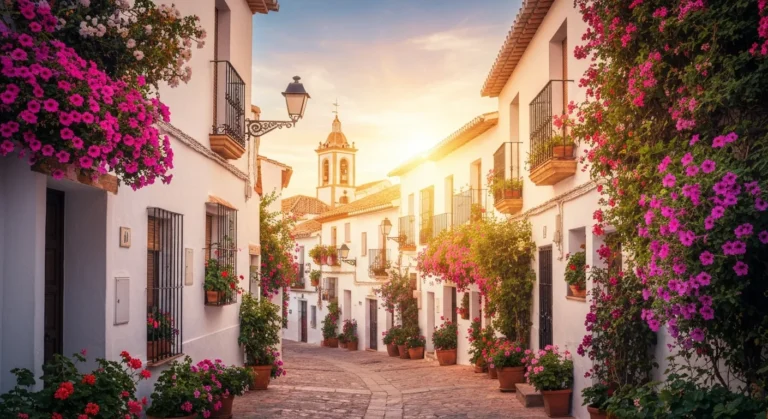
Santa Cruz neighbourhood. White-washed small-house district clinging to the northeast side of the castle hill. Narrow stepped alleys, potted flowers on every windowsill. The neighbourhood is alive — bars, locals walking small dogs, some small hotels. 30 min.
Walk down to the old town:
- Iglesia Basilica de Santa María — Gothic 14th–16th century, built on the site of the main mosque. Free entry.
- Concatedral de San Nicolás (Plaza del Abad Penalva) — 17th-century baroque Cathedral, €3.
- Ayuntamiento (City Hall) — baroque 18th-century facade, free entry to the inner courtyards.
| Attraction | 2026 Price | Time Needed | Book Ahead? |
|---|---|---|---|
| Santa Bárbara Castle | Free | 1h30 | No |
| Castillo elevator | Free | 2 min | No |
| Basilica de Santa María | Free | 30 min | No |
| Concatedral de San Nicolás | €3 | 30 min | No |
| MUBAG (Bellas Artes) | Free | 1h | No |
| MACA (Contemporary Art) | Free | 1h | No |
| MARQ Archaeology | €3 | 2h | No |
| Tabarca ferry | €22 return | Half day | Recommended |
Afternoon (14:00 – 17:30)
Lunch at El Portal (Bilbao 2) — creative tapas bar, €30–45 per person, excellent natural wine list. Alternative: Nou Manolín (Villegas 3) — traditional rice dishes, arroz a banda €18 per person, arroz con bogavante (lobster rice) €25.
After lunch, walk the Explanada de España — the 500m waterfront promenade with its famous mosaic of red, black, and cream marble (6.5 million tiles). Musicians play in the evenings; sellers have stands; locals do their evening paseo here.
Mercado Central (Alfonso X el Sabio 4) — Alicante’s main market, modernist 1921 building. Go at 11am for the tapas bars inside (Barra Cruz Negra, others) — €4–6 per tapa, €1.80 vermouths.
Evening (19:30 – 23:00)
Sunset at Explanada de España or back up at the Castillo for a full panoramic sunset (climb before 7pm in summer).
Dinner at Dársena (Marina Deportiva 11, on the port) — traditional Alicante seafood and rice dishes, €35–55 per person. Or Monastrell (Av. del Almirante Julio Guillén Tato 1, by the port) — Michelin-starred modern Alicante cuisine, €85–120 tasting menu.
Mid-range: Pópuli Bistró (Vázquez de Mella 6) for casual Mediterranean, €20–35.
Late night: Alicante’s nightlife is concentrated around the Barrio de Santa Cruz bars and Calle Labradores in the old town. Clubs near the port (Z Club, Concerto) stay open until 6am on weekends.
Day 2: Tabarca Island Day Trip
Isla de Tabarca is 11 km off the coast, Spain’s smallest inhabited island (50+ permanent residents). 1,800 x 400m of limestone rock surrounded by a marine reserve.
Morning (9:00 – 13:30)
Ferry from Puerto de Alicante. Operators: Kontiki and Hermanos Alemany. €22 return, 50 min each way. 9 daily departures in high season (June–September), 3–4 in low season. Buy at the port dock the morning you go, or reserve online 1 day ahead.
On Tabarca:
– Walk the complete perimeter (1 hour flat walk, 4 km). The 18th-century walled section on the east end is the populated quarter — fishing village with 30+ houses, a church, a few restaurants.
– Baluarte San Gabriel — the watchtower at the west end
– Marine Reserve swimming — protected status since 1986, water clarity is exceptional. Snorkel rentals €8 from beach stands. Best spots: north beach (Playa de la Cantera) and the cove behind the lighthouse.
Afternoon (14:00 – 18:00)
Lunch on Tabarca. Restaurante La Almadraba is the institution — arroz caldoso con bogavante (soup rice with lobster) €28, arroz a banda €20. Book the day before. Alternative: Restaurante L’Illot for grilled whole fish €20–30.
Afternoon swim and sunbathe. The marine reserve makes water quality far better than city beaches. Bring SPF 50 — the island has almost no shade.
Last ferry back is typically 6:30pm in low season, 7:30pm in summer. Miss it and you’re sleeping on Tabarca (no hotels, just 3 casa rural pensions that require advance booking).
Evening (19:30 – 23:00)
Back in Alicante. Dinner choice from yesterday’s list, or try Baeza y Rufete (César Elguezabal 4) — traditional rice and seafood, €25–40 per person.
Walk the Paseo del Puerto (the pedestrianised port marina) at night — the yacht basin illuminates, cafés stay open until 2am.
Day 3: Elche + Inland, or Guadalest Mountain Day Trip
Option A: Elche (UNESCO Palmeral)
Elche is 25 min west by TRAM or Cercanías (€3.80 one way). The third-largest city in Valencia region. Key attraction:
Palmeral de Elche — Europe’s largest palm grove, 200,000 date palms, UNESCO World Heritage since 2000. The palms were planted 2,500 years ago by the Carthaginians or Phoenicians; the current orchard layout dates from the 9th–10th century Moorish irrigation.
- Huerto del Cura (Passeig dels Molins) — €7 entry. The most famous private walled palm garden, home to the 7-trunked Palmera Imperial. 1h.
- Museo Arqueológico y de Historia de Elche (MAHE) — €3. Moorish archaeological finds.
- Walk the general Palmeral along the Vinalopó river.
La Dama de Elche — Spain’s most important Iberian archaeological find (4th century BC bust). The original is in Madrid’s National Archaeological Museum; Elche has the replica at MAHE.
Lunch at Restaurante La Piqueta in Elche — arroz con costra (rice with egg crust) €18–22.
Option B: Guadalest Mountain Day Trip
Guadalest is 1h north in the mountains (the drive is magnificent). A Moorish fortified village on a 600m rock outcrop, population 200, visited by 2 million tourists a year. The castle ruins and white-washed houses look like they’re growing out of the limestone.
Combine with:
– Fuentes del Algar — natural pool waterfalls 15 min from Guadalest, €5 entry
– Benidorm on the way back (skip unless you want to see Spain’s most extreme beach tourism)
Option C: Villa Romana + Villajoyosa + Altea
Villajoyosa is 30 min north on TRAM (€3.50). Beach town known for chocolate (Chocolates Valor factory with tours) and brightly-painted fisherman cottages.
Altea is 20 min further — the “white village” of the Costa Blanca, art-colony town with a tiled-dome church.
Option D: Deeper Alicante
- MARQ Provincial Archaeology Museum (Pza Doctor Gómez Ulla) — €3. 2 hours, excellent Iberian-Roman-Moorish collections.
- Volvo Ocean Race Museum (Cuartel de la Misericordia) — free, 1 hour.
- MACA (Museo de Arte Contemporáneo) — free. 1h.
- MUBAG (Fine Arts Museum) — free. 1h.
For context on the broader Mediterranean region, see our Valencia region overview.
Compare flights to your next destination on Aviasales across 200+ airlines.
Alicante 3-Day Budget Breakdown (Per Person)
2026 numbers, mid-range choices:
| Category | Budget | Mid-Range | Splurge |
|---|---|---|---|
| Accommodation (3 nights) | €65–120 (hostel/budget) | €240–420 (3-star centro) | €500–900 (4-star Paseo) |
| Food & drink | €45–75 | €110–170 | €220–380 |
| Attractions (castle free, museums mostly free, ferry) | €25–35 | €40–60 | €80–140 |
| Local transport (TRAM/buses) | €10–20 | €20–35 | €50–80 |
| Tabarca day | €22 ferry + €25 lunch | €50–70 | €100 |
| Total per person | €170–280 | €460–760 | €980–1,600 |
Alicante is cheaper than Barcelona, similar to Valencia. The huge advantage: most central museums are free. Ferry to Tabarca is the main fixed cost; castle is free.
Getting Around Alicante
TRAM (light rail) — €1.35 single, €4.50 10-trip. 9 lines connecting the airport, city centre, and the coast north to Altea and Benidorm. Essential for Elche, Villajoyosa, and airport runs.
Vectalia city buses €1.45.
Walking handles the old town, Explanada, and Postiguet beach. 20 min end to end.
Taxis metered; most in-city trips €6–10.
When to Visit Alicante in 2026
April–May: Ideal. 18–24°C, sea warming to 17°C. Semana Santa (April 5–12, 2026) is a moderate Mediterranean procession tradition.
June: Warm (22–28°C), sea 21°C. San Juan fires (June 23–24) — Alicante’s biggest festival, 300+ giant paper-mâché figures (hogueras) burned in one night at midnight June 24. Book hotels 6 months ahead.
July–August: Hot (26–32°C), sea 23–25°C. Crowded beaches, hotel prices +30%.
September–October: 20–28°C, sea swimmable until mid-October. My preferred window.
November–March: Mild (12–18°C daytime), occasional rain. Alicante has 340 sunny days/year — the most of any Spanish city. Hotels drop 30–40%.
Book your Alicante trip on Trip.com — flights, hotels, and Tabarca tours.
FAQ: Alicante 3-Day Itinerary
Is 3 days enough for Alicante?
Three days covers Alicante well — day 1 for castle and old town, day 2 for Tabarca island, day 3 for Elche or Guadalest. For a full Costa Blanca experience including Altea and Benidorm, plan 5–7 days. Tabarca alone is worth a full day.
How do I get to Tabarca island?
Ferry from Puerto de Alicante dock. Kontiki and Hermanos Alemany run competing services at €22 return, 50 min each way. 9 daily crossings in high season (June–September). Last ferry back around 6:30pm in low season, 7:30pm in summer. Buy tickets at the dock morning of, or reserve 1 day ahead online.
Is Alicante’s beach good?
Postiguet beach is fine — 900m of sand, blue flag, lifeguards in summer. It’s an urban beach so it gets crowded on summer weekends. For better sand: Playa de San Juan (20 min TRAM north, 3 km of wide beach), Playa del Albir (40 min north, white sand), or Tabarca (best water quality in the area).
How much is a 3-day Alicante trip in 2026?
A mid-range trip costs €460–760 per person — 3-star hotel, restaurant meals, castle (free) + Tabarca ferry + Elche day. Budget travellers in hostels manage €170–280. Alicante is one of the Mediterranean coast’s better values. [Source: Booking.com and Tabarca ferry pricing, 2026]
Is Alicante’s castle really free?
Yes. Castillo de Santa Bárbara is free to enter, always has been. The elevator from Postiguet beach is also free — cut into the rock, 90-second ride up 166m. Alternative: walk up from Parque de la Ereta (30 min, moderate climb). Or drive the road up on the north side (free parking at the top).
What food is Alicante known for?
Arroz (rice dishes) — Alicante’s rice tradition is as serious as Valencia’s. Main versions: arroz a banda (plain rice cooked in fish broth, served separately from the fish), arroz al horno (oven-baked rice with chickpeas and pork), arroz con costra (rice with a cooked egg crust), arròs del senyoret (rice with peeled seafood). Other signatures: caldero (fisherman’s rice-fish stew), pulpo seco (dried octopus). Local wine: Monastrell from the Alicante DO.
Is Alicante worth visiting in winter?
Yes — Alicante has 340 sunny days per year, and winter temperatures run 12–18°C daytime. You won’t swim (water drops to 14°C) but you can eat outside, walk the Explanada, see the castle with golden light and no crowds, and visit Tabarca with the ferry nearly empty. Hotels drop 30–40%. Best winter Mediterranean value in Spain.
Maria Santos writes about Spain from the inside. More Costa Blanca and Iberian city guides at spainsoul.com throughout 2026.