
Traveling Spain on a budget in 2026 is not only possible but deeply rewarding. With strategic planning focused on timing, local habits, and value-conscious choices, you can enjoy an authentic Spanish adventure for a realistic daily budget of €55 to €85, excluding international airfare.
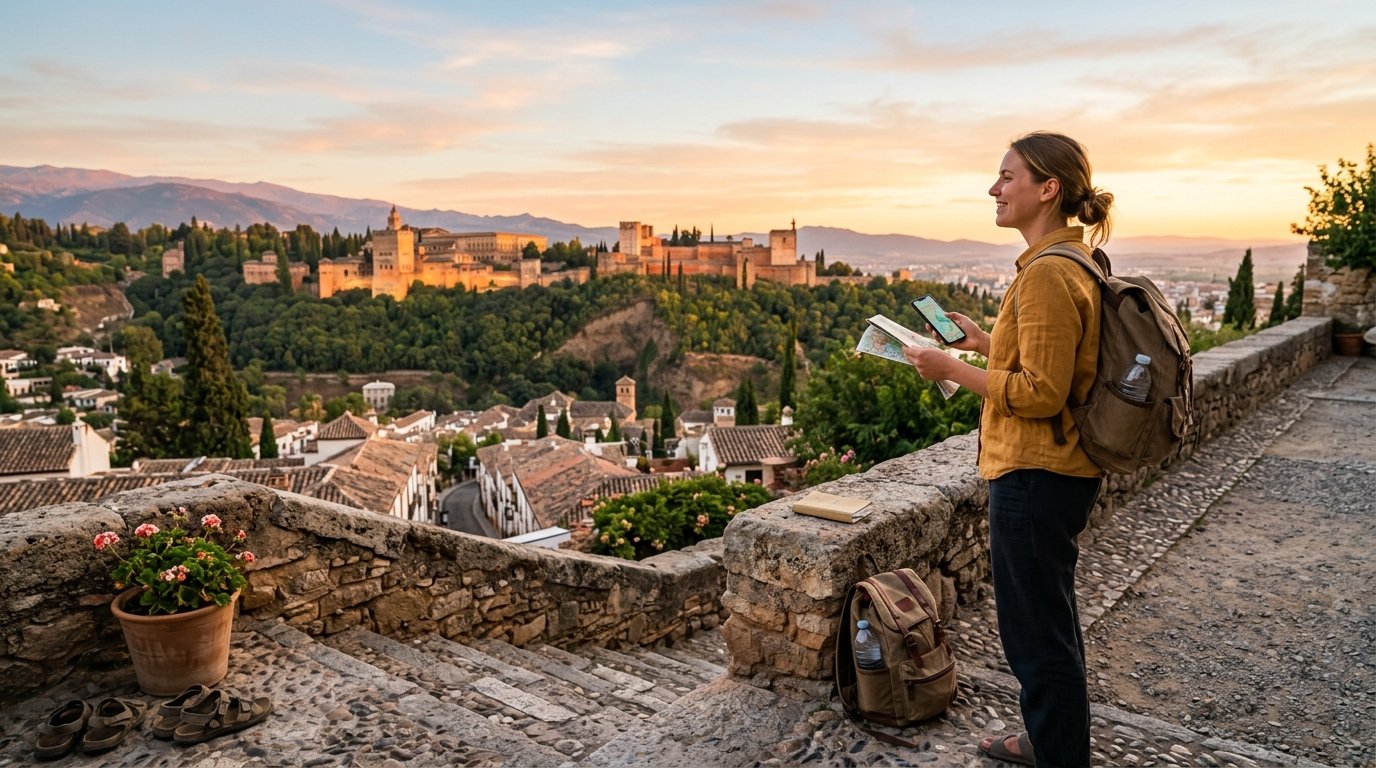
What Is a Realistic Daily Budget for Spain in 2026?
Establishing a clear financial framework is the cornerstone of affordable travel in Spain. According to 2025 projections from the Bank of Spain and the National Statistics Institute (INE), annual inflation is expected to stabilize between 1.8% and 2.5% through 2026. This suggests only moderate price increases from 2024 levels, creating a favorable economic environment for budget-conscious visitors. A comprehensive daily budget covering accommodation, food, local transport, and activities ranges from €55 to €85 per person. For a standard two-week trip, this translates to a total ground cost of €770 to €1,190.
Your budget is heavily influenced by geography. Data from Turespaña, Spain’s official tourism institute, indicates a cost disparity of 30% to 65% between premier destinations like Madrid, Barcelona, and the Balearic Islands, and regions such as Extremadura, Castilla-La Mancha, or inland Andalusia. Vibrant secondary cities—Valencia, Granada, Zaragoza, Oviedo—typically offer 20% to 35% better value. For instance, a traveler in Logroño (La Rioja) in late 2024 maintained a daily average of €58, covering a private room in a ‘hostal,’ a multi-course ‘menú del día,’ museum visits, and local transit. Replicating that day in central Barcelona required approximately €87.
Travel composition drastically alters the math. Solo travelers benefit most from hostel dorms, while couples sharing private rooms can reduce per-person accommodation costs by 25% to 35%. Families should target a daily budget of €185 to €250 by prioritizing apartment rentals with kitchens, which can reduce dining costs by 40% to 65% through strategic self-catering.
Effective budget management requires proactive allocation. Based on 2026 forecasts from Spanish financial analysts, here is a targeted daily breakdown for a moderate €70 budget:
- Accommodation (35-40%): €24.50 to €28. This funds hostels, guesthouses (‘pensiones’), or budget hotels in smaller cities. In Madrid or Barcelona, allocate €38 to €60 for a basic private room in a central ‘hostal.’
- Food & Drink (30-35%): €21 to €24.50. Allocate for a mix of self-catering, market snacks, tapas culture, and one solid restaurant meal, heavily leveraging Spain’s affordable ‘menú del día’ lunch special.
- Transport & Activities (15-20%): €10.50 to €14. Reserve for local transit passes, advance-purchase intercity tickets, and attraction entries, utilizing city tourist cards only where they provide mathematical savings.
- Buffer & Contingencies (10%): €7. A mandatory reserve for unexpected costs or small splurges, like a flamenco show ticket in a local ‘peña’ or an artisan market purchase.
Your most crucial financial tool is a debit or credit card with zero foreign transaction fees, potentially saving you €45 to €110 over a standard card on a two-week trip. While Spain is over 90% cashless as of 2025, carry €50 to €100 in euros for rural guesthouses (‘casas rurales’), small-town markets, and traditional bars. Use ATMs affiliated with major banks like Santander, BBVA, or CaixaBank, withdrawing larger sums (€200-€300) less frequently to minimize fixed fees of €1.75 to €3.75 per transaction. A 2025 study by the Spanish Consumer Organization (OCU) found that travelers who track expenses daily save an average of 19% by identifying and correcting spending leaks early.
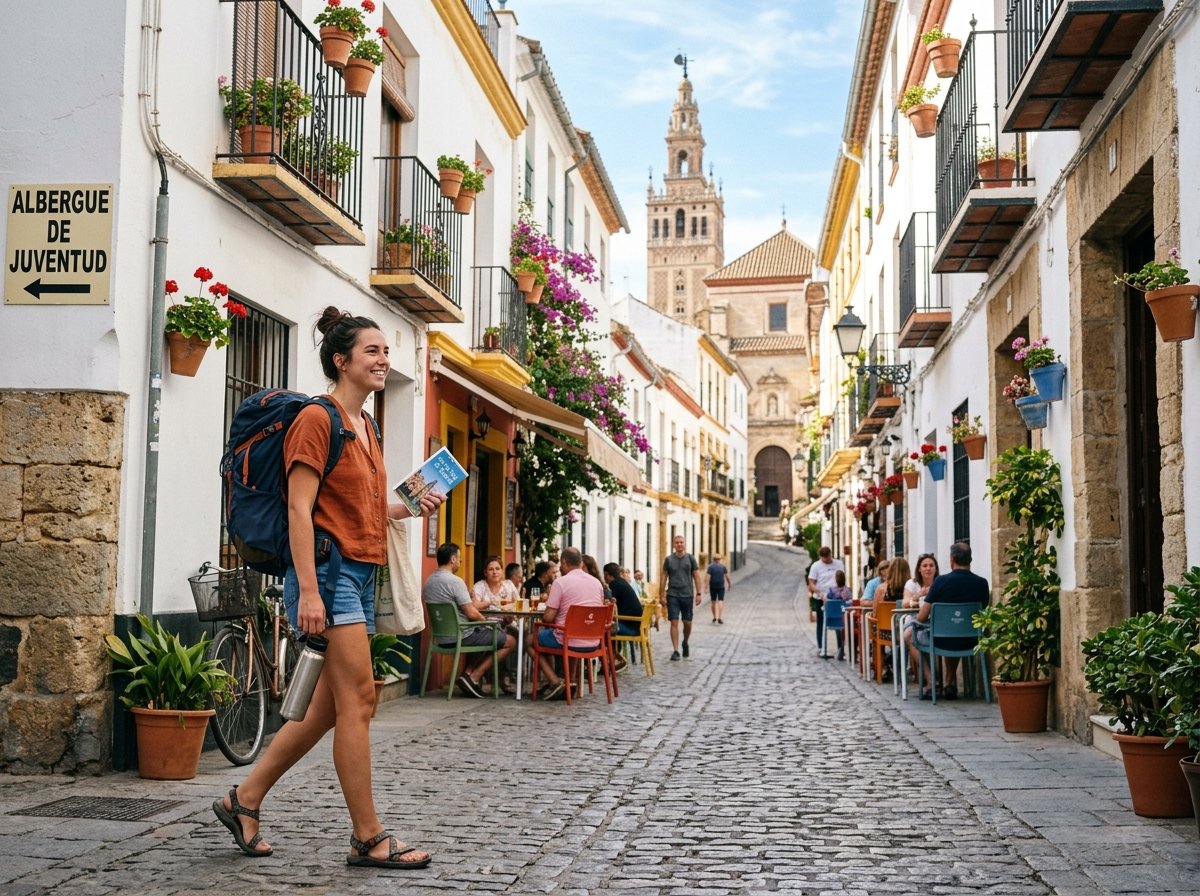
How Can You Find Cheap Flights to Spain in 2026?
Securing affordable airfare requires discipline, flexibility, and strategic timing. International Air Transport Association (IATA) forecasts and airline pricing analytics indicate the optimal booking window for peak summer 2026 (July-August) is 5 to 7 months in advance. You should initiate searches and be prepared to book by January or February 2026. For the desirable shoulder seasons (April-May and September-October 2026), aim to book 3 to 4 months ahead.
From North American hubs, projected 2026 round-trip economy fares to Madrid (MAD) or Barcelona (BCN) range from €700 to €1,150 in summer, dipping to €620-€980 in shoulder seasons. From European hubs, fares on low-cost carriers like Ryanair, Vueling, or easyJet can be as low as €48 to €140 round-trip, especially during frequent promotional sales.
Your greatest leverage is flexibility in both dates and arrival airports. Use Google Flights’ “Explore” map or Skyscanner’s “Everywhere” search with flexible date grids (plus/minus 3 days). A powerful, often overlooked strategy is flying into alternative airports. Flying into Valencia (VLC), Málaga (AGP), or even Porto, Portugal (OPO) can be €160 to €420 cheaper than a non-stop to Barcelona from North America. The savings often far exceed the cost of a subsequent train or bus into your primary Spanish destination, frequently under €45.
For transatlantic travel, consider low-cost long-haul carriers like Level, Norse Atlantic, or French Bee, offering base fares 25% to 45% lower than legacy airlines. Be meticulous about add-ons: traveling with only a carry-on backpack (typically under 10kg) can save €90 to €200 per round trip on checked baggage fees. Set persistent price alerts on Kayak, Hopper, and Google Flights. Subscribe to airline newsletters for flash sales, common in early January and late September. Consistently choose to fly mid-week (Tuesday to Thursday) to save an average of 15% to 28% compared to weekend flights.
Where Are the Best Budget Places to Stay in Spain for 2026?
Accommodation is your largest fixed cost, but Spain offers exceptional variety and value beyond generic hotel chains. Hostels remain the backbone for solo travelers. In 2026, expect dorm beds in major city centers to cost €23 to €45 nightly, with prices in cities like Granada or Valencia around €19-€30. Modern “poshtels” offer private ensuite rooms for €68 to €100, often more economical for couples than budget hotels and including social perks.
For stays exceeding five nights, short-term apartment rentals become strategically superior. Beyond global platforms, use Spain-specific sites like Idealista or Spotahome which list verified medium-term rentals directly from owners. A studio (‘estudio’) in Seville’s Triana district can cost €570 to €830 monthly, lowering your per-night cost to under €28. Always inquire about discounts for stays of two weeks or more.
Do not overlook traditional “hostales” and “pensiones.” These family-run budget hotels, marked by a distinctive blue ‘H’ plaque, provide authentic, no-frills experiences in central locations. A clean double room with a shared bathroom in a Madrid ‘hostal’ near the Lavapiés district can be secured for €60 to €78 nightly, often including a simple breakfast of coffee and toast.
Spain’s niche lodging options provide unique value and cultural immersion:
- Casas Rurales: Rural guesthouses in regions like Asturias, Galicia, or the Pyrenees offer double rooms with homemade breakfast for €50 to €75 per night, often with dinner options under €16 per person.
- Pilgrim Hostels (Albergues): On the Camino de Santiago routes, these cost €8 to €15 nightly for pilgrims with credentials, offering a profound communal experience even for non-pilgrims on certain routes.
- Monastery & Convent Stays: Historic monasteries in cities like Toledo, Ávila, and Salamanca offer simple, peaceful rooms for €26-€48 per night, often including breakfast and silent courtyards.
- House-Sitting & Workaways: Platforms like TrustedHousesitters or Workaway can eliminate accommodation costs entirely in exchange for light duties, ideal for slower, immersive stays of two weeks or more in suburban or rural areas.
A critical insider tip: after finding a property on a third-party site, search for the establishment’s own website. Many offer direct booking discounts of 10% to 18% and may include perks like a free breakfast. Prioritize location near a metro or bus hub over being in the exact tourist epicenter; staying in authentic neighborhoods like Madrid’s Chamberí, Barcelona’s Poble Sec, or Seville’s Macarena can save €15 to €35 nightly while offering superior, affordable local dining. For 2026, book accommodations at least 2-3 months in advance for peak seasons (June-September, Easter).
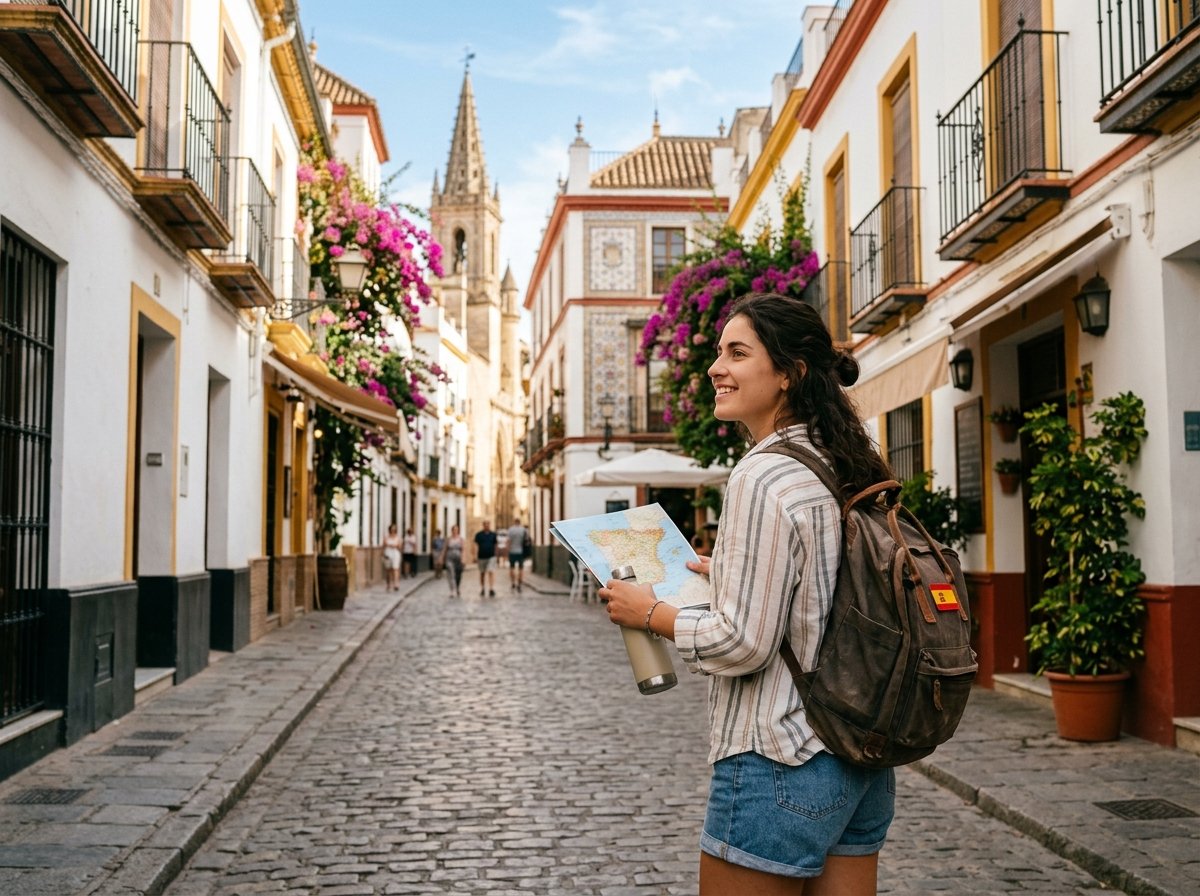
Is Public Transport or a Rental Car Cheaper for Getting Around Spain in 2026?
The choice hinges entirely on your itinerary’s geography and travel style. For circuits focusing on cities and major towns, Spain’s comprehensive and efficient public network is unequivocally the more economical and less stressful choice for 2026.
For intercity travel, the high-speed AVE train is a time-saver but pricey if not booked strategically. Tickets are released on the official Renfe website and app exactly 60 days in advance. The lowest “Promo” fares, offering 65% to 80% discounts, sell out within hours. For example, a Madrid to Seville AVE ticket booked at the 60-day mark can cost €31-€42, compared to €115-€170 last-minute. For ultimate budget flexibility, long-distance buses are unparalleled. Operators like ALSA, FlixBus, and Avanza offer fares 45% to 80% lower than equivalent train journeys. A 2026 bus from Madrid to Valencia is projected to cost €15-€24 if booked a few weeks ahead.
Within cities, integrated passes are essential. Madrid’s “10-Viaje” Metro/Bus ticket is projected to cost around €14.20 in 2026. Barcelona’s Hola BCN! card offers unlimited journeys; the 48-hour card is projected around €18.50. Multi-day tourist cards can offer savings only if you plan to visit multiple paid attractions in quick succession; always do the math first.
Renting a car is financially logical only for deep, rural exploration where public transport is sparse or infrequent, such as in the Picos de Europa, the villages of Las Alpujarras, or exploring the cork forests of Extremadura. Daily rates for a compact manual car in 2026 are projected at €34 to €62, but you must add significant and often underestimated variable costs:
- Fuel: Approximately €2.00 to €2.30 per liter for unleaded 95 (Gasolina 95).
- Tolls: Adding €22 to €60 daily on major highways (‘autopistas de peaje’) like the AP-7 along the Mediterranean coast.
- Urban Parking: €20 to €48 daily in city center garages; street parking is complex and often restricted to residents.
- Mandatory Insurance Add-ons (CDW/LDW): Often an extra €13 to €30 per day for comprehensive coverage with a low excess, which is highly recommended.
For a group of three or four, splitting these costs makes driving viable and offers freedom. For solo travelers or couples, public transport is almost invariably more economical and eliminates navigation stress, parking headaches, and the risk of ‘Zona de Bajas Emisiones’ (low-emission zone) fines in cities like Madrid and Barcelona. Spain’s Ministry of Transport expects public transport usage to grow by 8% in 2026, with new investments enhancing regional connectivity, particularly in Andalusia and Galicia.
How to Eat Like a Local on €25 a Day in Spain?
Spanish culinary culture is inherently structured to support eating extraordinarily well on a modest budget. The cornerstone is the “menú del día” (menu of the day), a fixed-price workers’ lunch offered at most local restaurants (‘restaurantes’ and ‘bares’) on weekdays, and sometimes Saturdays. In 2026, expect to pay €14 to €20 in larger cities, and €10.50 to €15 in smaller towns and villages. This multi-course feast includes a starter (soup, salad, or legumes), main course (fish, meat, or stew), dessert (flan, fruit, or yogurt), bread, and a drink (water, wine, beer, or soft drink). It represents the single best value in Spanish dining and is a cultural ritual.
Self-catering is your second powerful tool. Shop at ubiquitous supermarkets like Mercadona, Lidl, Aldi, or Dia. A weekly budget for staples like pasta, fresh vegetables, local cheese (‘queso manchego’), cured ham (‘jamón serrano’), and fruit can stay under €48. Many apartments, hostels, and even some ‘pensiones’ have communal kitchens. Visit local municipal markets (‘mercados municipales’) like Mercado de San Miguel in Madrid or La Boqueria in Barcelona for the experience, but buy ingredients from neighborhood grocers (‘fruterías’, ‘panaderías’) for better prices.
Embrace true tapa culture in cities where it remains a tradition: Granada, León, Salamanca, Almería. Ordering a ‘caña’ (small draft beer) for €2.10 to €3.40 often comes with a complimentary, substantial tapa like a small plate of paella, stew, or a sandwich (‘bocadillo’). With two or three stops, you can enjoy a varied, social meal for under €10. The key is to avoid restaurants with pictorial menus in main plazas; walking just three to five blocks into adjacent residential neighborhoods reveals family-run bars with prices 30% to 55% lower and more authentic ambiance.
For breakfast, skip the hotel buffet and join locals at a bar for a “café con leche” (€1.90-€2.60) and a “tostada con tomate y aceite” (€2.10-€3.70) for under €6.50 total. Tap water (‘agua del grifo’) is safe to drink and must be freely offered in restaurants upon request; carrying a reusable bottle can save €9 to €20 weekly. Supermarkets often have discounts on fresh items like bread and prepared foods after 8:00 PM. A 2025 study by the Spanish Food and Beverage Association projects dining costs to rise by an average of 3.9% in 2026, but these time-tested strategies will effectively insulate your food budget.
What Are the Best Free and Low-Cost Activities Across Spain for 2026?
Spain’s immense cultural heritage is remarkably accessible, with countless experiences costing little to nothing. Strategically planning museum visits around free entry hours can save a typical traveler €55-€85 per person on a two-week trip.
Major national museums maintain consistent free-admission windows. In Madrid, the Prado Museum is free Monday to Saturday from 6:00 PM to 8:00 PM, and Sundays from 5:00 PM to 7:00 PM. The Reina Sofía Museum offers free entry on Monday, Wednesday to Saturday from 7:00 PM to 9:00 PM, and Sundays from 1:30 PM to 7:00 PM. In Barcelona, the Museu Picasso is free on Thursday afternoons (from 4:00 PM) and the first Sunday of each month (all day). Always verify times on official websites for 2026, as they can shift.
Beyond museums, Spain offers a wealth of free experiences that define its soul:
- Architectural Wanderings: Admire Gaudí’s Casa Batlló and La Pedrera from the bustling Passeig de Gràcia. Wander the labyrinthine Gothic Quarter in Barcelona, the ancient Judería in Córdoba, or the Roman walls of Lugo. The breathtaking Roman aqueduct in Segovia costs nothing to view from the plaza below.
- Public Parks & Gardens: Spend an afternoon picnicking in Madrid’s Retiro Park, exploring the sprawling Parque de María Luisa in Seville, or hiking in the free coastal paths (‘caminos de ronda’) of the Costa Brava.
- Street Festivals & Local Markets: Time your visit with local ‘fiestas’ (like Valencia’s Fallas in March or Seville’s April Fair) for free street spectacles. Don’t miss weekly markets (‘mercadillos’) like Madrid’s El Rastro flea market on Sundays or Malaga’s Atarazanas Market any morning.
- Beaches & Coastal Walks: Spain’s thousands of kilometers of coastline offer free access. Skip the crowded ‘chiringuitos’ (beach bars) and bring your own towel and snacks.
- Cathedral & Church Visits: While main naves of large cathedrals often have fees, many allow free access during mass times (check schedules). Smaller neighborhood churches and historic hermitages are typically free to enter and offer peaceful respite.
For low-cost structured activities, consider a €3-€6 ticket to climb the Giralda bell tower in Seville, a €4.50 entry to the stunning Roman Theatre in Mérida, or a €7 guided tour of the Alhambra’s Generalife Gardens (bookable online). Many cities offer free walking tours (tip-based) that provide excellent historical context; reputable operators like Sandeman’s New Europe operate in major Spanish cities.
When Is the Cheapest Time to Visit Spain in 2026?
Timing your trip strategically is one of the most effective ways to stretch your budget. The absolute cheapest periods to visit Spain in 2026 are the shoulder seasons: late March to early June and September to October. During these months, you’ll encounter milder weather, fewer crowds, and prices for accommodation and flights that are typically 20% to 40% lower than peak summer rates. Specifically, aim for April-May or late September-October for optimal balance.
Avoid peak holiday periods like Semana Santa (Holy Week, which in 2026 falls from March 29 to April 5), when domestic travel surges and prices spike. Similarly, August is when many Spaniards take their holidays, leading to crowded coastal areas and higher prices in resorts, though cities like Madrid can be quieter and offer better deals. Winter months (November to February, excluding Christmas and New Year) offer the lowest prices, especially in inland and northern regions, with hotel rates dropping by up to 50%. However, some tourist services in rural areas may have reduced hours.
Data from the Spanish National Tourist Office suggests that visitor numbers dip by approximately 15-25% during these shoulder and off-peak periods, directly translating to better availability and lower costs. For example, a flight from New York to Madrid in early May 2026 might cost €650, compared to €950 in July. Similarly, a hostel dorm in Barcelona could be €25 per night in October versus €40 in August.
What Are the Top Budget-Friendly Destinations in Spain for 2026?
While Madrid and Barcelona are iconic, focusing on lesser-known regions can dramatically reduce costs without sacrificing experience. Based on 2025 tourism data and projected trends for 2026, these destinations offer exceptional value:
- Granada, Andalusia: Famous for the Alhambra, Granada offers incredible value with its persistent tapas culture (free tapas with drinks) and affordable accommodation. Budget hostels start at €18, and a comprehensive menú del día can be found for €12. The city’s rich Moorish history and free tapas bars make it a budget traveler’s paradise.
- Valencia, Community of Valencia: As Spain’s third-largest city, Valencia combines modern architecture with historic charm. Daily costs average 25% less than Barcelona. Enjoy the free Turia Gardens, the City of Arts and Sciences complex (external viewing is free), and affordable pa