
A 10-day road trip through Northern Spain reveals a stunning landscape of rugged coastlines, verdant mountains, and profound cultural heritage, offering a deeply authentic alternative to Spain’s crowded southern destinations for the discerning 2026 traveler.
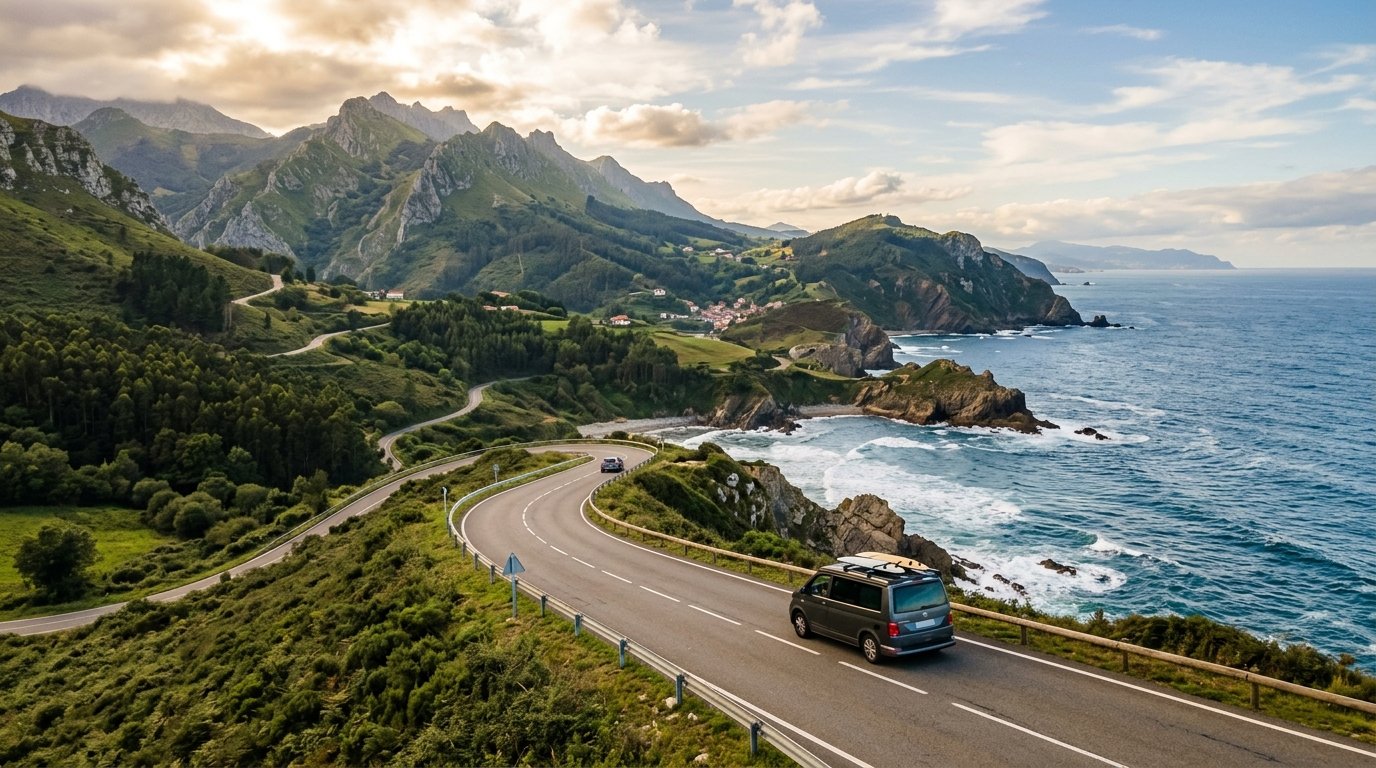
Why Should You Choose a Northern Spain Road Trip in 2026?
While the Mediterranean coast draws millions, Northern Spain—known as “España Verde” or Green Spain—offers a transformative travel experience defined by authenticity, temperate climate, and unspoiled beauty. Stretching over 1,100 kilometers from the French Basque Country to the Atlantic cliffs of Galicia, this region comprises four distinct autonomous communities: the Basque Country, Cantabria, Asturias, and Galicia. Each possesses its own language, culinary traditions, and proud identity. According to Spain’s National Statistics Institute (INE), tourist density in regions like Asturias and Galicia was 65% lower than in Catalonia in 2024, a trend expected to continue into 2026. This translates to more meaningful interactions, less crowded sites, and a genuine sense of discovery. The climate is another key advantage; summer temperatures average a pleasant 24°C (75°F), ideal for hiking, coastal exploration, and city wandering without the intense heat of the south.
The 2026 travel zeitgeist prioritizes sustainability, cultural depth, and “slow travel”—values that Northern Spain embodies. This itinerary is designed not as a checklist, but as an immersion into the living soul of a region where ancient pilgrimage routes, cutting-edge architecture, and world-renowned gastronomy coexist. You’ll invest in experiences over souvenirs, from pouring Asturian cider in the traditional method to walking a complete Roman wall in Lugo.
How Do You Plan a Successful Northern Spain Road Trip for 2026?
Meticulous planning is the cornerstone of a seamless and enriching journey. The following toolkit incorporates essential logistics, budget considerations, and 2026-specific advice to ensure your trip is both memorable and hassle-free.
When Is the Best Time to Travel to Northern Spain?
The optimal window for this road trip is from late May to late September. June and September are particularly perfect, offering long, sunny days, minimal rain, and fewer crowds before and after the European summer peak. July and August are the warmest and most popular, especially in coastal hotspots like San Sebastian, but advance booking is absolutely essential. Shoulder seasons have unique charms: April-May showcases explosive wildflowers in the Picos de Europa, while October brings the vibrant grape harvest (vendimia) in the Ribeira Sacra and chestnut festivals (magostos) across Galicia. Pack for variable weather; a waterproof layer is recommended year-round.
What Are the Car Rental and Driving Essentials?
A rental car is non-negotiable for accessing the hidden beaches, mountain monasteries, and rural pueblos that define this route. For summer 2026, book your vehicle at least 3-4 months in advance through reputable comparison sites. Opt for a compact, fuel-efficient model (like a Volkswagen Golf or similar) to navigate narrow medieval streets. By Spanish law, you must carry a reflective vest for each passenger and two warning triangles. While the AP-8 and A-8 toll motorways offer speed, the true magic lies on the national (N) and regional roads, like the breathtaking AS-263 through the Picos de Europa. Factor in extra time for these scenic drives and spontaneous photo stops. Total driving distance for this itinerary is approximately 950 km.
What Is a Realistic Budget for 10 Days in Northern Spain?
Northern Spain offers excellent value, especially when compared to major European capitals. For a comfortable, experience-rich trip for two in 2026, a mid-range daily budget is achievable.
- Accommodation: €90–€180 per night for a well-located boutique hotel or a charming casa rural (rural guesthouse). Parador stays range from €120–€250.
- Food & Drink: €45–€80 per person daily. This covers market lunches, pintxos crawls, and a sit-down dinner, excluding high-end Michelin-starred meals.
- Car Rental & Fuel: €350–€500 total, depending on season and rental class. Fuel costs approx. €1.70 per liter (2025 avg.). Tolls add €30-€50.
- Attractions & Activities: €200–€300 for museum entries, guided tours, cable cars (like Fuente Dé), and pre-booked permits (e.g., Cathedral Beach).
A total budget of €2,800–€3,800 for two people provides a comfortable and comprehensive experience.
The Ultimate 10-Day Hidden Itinerary: A Day-by-Day Journey
This carefully paced route follows a logical westbound flow from the Basque Country to Galicia, designed for a fly-in, fly-out approach. It balances iconic sights with off-the-beaten-path discoveries, with driving legs averaging 1.5–2 hours to maximize exploration time.
| Day | Primary Locations | Region | Overnight Base | Key Drive Details |
|---|---|---|---|---|
| 1 & 2 | San Sebastian & Pasajes | Basque Country | San Sebastian | Fly into BIO or EAS |
| 3 | Bilbao & Gaztelugatxe | Basque Country | Bilbao or Bakio | 1 hr / 100 km |
| 4 | Santander & Santillana del Mar | Cantabria | Santillana del Mar | 1 hr 20 min / 110 km |
| 5 | Comillas & Picos de Europa (Fuente Dé) | Cantabria/Asturias | Potes or Cangas de Onís | 1 hr 45 min / 95 km |
| 6 | Asturian Coast & Covadonga Lakes | Asturias | Oviedo or Gijón | 2 hrs 30 min / 140 km |
| 7 | Oviedo & Cider Country | Asturias | Oviedo | Minimal city driving |
| 8 | Cathedral Beach & Lugo’s Roman Wall | Galicia | Lugo or Ribeira Sacra | 2 hrs 15 min / 190 km |
| 9 | A Coruña & Costa da Morte | Galicia | Santiago de Compostela | 2 hrs / 160 km |
| 10 | Santiago de Compostela | Galicia | Depart from SCQ | 15 min to SCQ Airport |
Days 1 & 2: San Sebastian – A Masterclass in Basque Elegance
Begin in Donostia-San Sebastian, a city where urban beauty meets culinary perfection. Beyond the iconic La Concha Bay, dedicate your first day to the Parte Vieja (Old Town). The art of pintxos (small, elaborate bar snacks) is a social ritual. Start at Bar Borda-Berri (Calle Fermín Calbetón, 32) for innovative hot creations, then move to La Cuchara de San Telmo for slow-braised veal cheeks. On day two, take the vintage funicular (€4.10 round trip) up Monte Igueldo for panoramic views. In the afternoon, discover the hidden port of Pasajes de San Juan (Pasai Donibane), a 20-minute drive or short boat ride away. This narrow, colorful fishing village feels untouched by time and offers superb seafood at family-run asadores.
Stay: For Belle Époque grandeur, the Hotel de Londres y de Inglaterra on La Concha promenade is unmatched. For a design-forward boutique experience, Hotel Villa Soro offers serenity a short walk from the center.
Day 3: Bilbao’s Guggenheim & The Dramatic Basque Coast
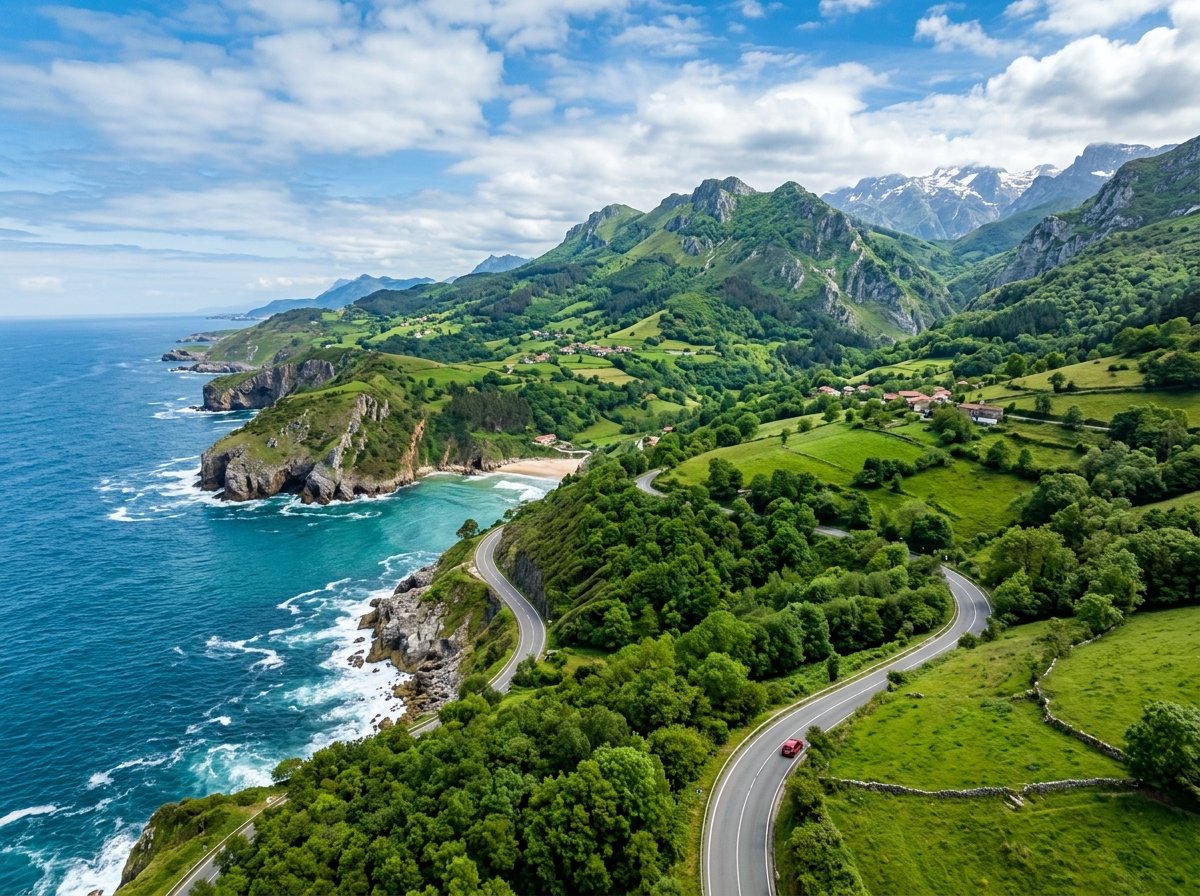
Drive one hour west to Bilbao, a city transformed by Frank Gehry’s titanium masterpiece, the Guggenheim Museum. Reserve your ticket online (approx. €16) for a morning slot to admire both the architecture and world-class contemporary art. For lunch, cross the Zubizuri Bridge to the Mercado de la Ribera for fresh seafood at its bustling bars. In the afternoon, embark on a 40-minute coastal drive to the iconic San Juan de Gaztelugatxe. This dramatic islet, connected by a stone bridge and 241 steps, requires a free timed-entry permit booked online via the Biscay Provincial Council website. Combine your visit with a late lunch of marmitako (tuna stew) in the fishing village of Bermeo.
Day 4: Cantabria – Santander’s Promenade & A Medieval Dream
Enter Cantabria, with its gentle landscapes. In the elegant capital, Santander, stroll the Paseo de Pereda and visit the stunning Palacio de la Magdalena. The true highlight, however, is inland: Santillana del Mar, a perfectly preserved medieval town of cobbled streets and noble stone mansions. Visit the 12th-century Colegiata de Santa Juliana and spend the night at the Parador de Santillana, housed in a former monastery. Just two kilometers away, the Museo de Altamira (€3-€5) offers a profound look at prehistoric art through its exact replica of the famous Altamira Cave, a UNESCO World Heritage site.
Day 5: Gaudí’s Fantasy & The Picos de Europa’s Peaks
A short drive west brings you to Comillas, home to an astonishing collection of Modernist architecture. Don’t miss El Capricho (€7), a whimsical villa designed by a young Antoni Gaudí in 1883. Then, head south into the Picos de Europa National Park. Your destination is Fuente Dé, where a cable car (teleférico) makes a breathtaking 753-meter vertical ascent to a high plateau at 1,823 meters. The views of the limestone peaks are unparalleled. Overnight in the charming mountain town of Potes or at the historic Parador de Cangas de Onís, a former monastery.
Day 6: Asturias – The Emerald Coast & Sacred Covadonga
Explore the stunning Asturian coastline, starting with the picturesque harbor of Llanes and its painted Cubos de la Memoria. Continue to Ribadesella, known for its expansive beach. Then, journey inland to the spiritual heart of Asturias: Covadonga. Visit the basilica and holy cave where Pelayo famously began the Christian Reconquest in 718 AD. From there, take the dedicated shuttle bus (private car access is restricted in summer) up to the Lagos de Covadonga, two glacial lakes surrounded by majestic peaks. Continue to Oviedo, the region’s vibrant capital, for the night.
Day 7: Oviedo’s Pre-Romanesque Treasures & Cider Culture
Oviedo is a sophisticated, walkable city. Its crown jewels are the 9th-century pre-Romanesque churches of Santa María del Naranco and San Miguel de Lillo on the city’s outskirts, both UNESCO sites. Back in the old town, explore the Gothic cathedral and the atmospheric Plaza del Fontán. The afternoon is dedicated to Asturian cider culture. Visit a traditional llagar (cider press) like Sidra Trabanco for a tour and tasting, or head to Calle Gascona (“Cider Boulevard”) in Oviedo to experience the ritual of escanciar—pouring cider from a height to aerate it. Pair it with a hearty fabada asturiana (bean stew).
Day 8: Galicia’s Cathedral Beach & The Roman Walls of Lugo
Cross into Galicia, a land of myth and mist. Your first stop is Playa de las Catedrales (Cathedral Beach) near Ribadeo. This natural monument of towering rock arches is only accessible at low tide. Access is strictly controlled; you must secure a free online permit from the Xunta de Galicia website months in advance for a summer 2026 visit. Afterwards, drive inland to Lugo, the only city in the world surrounded by completely intact Roman walls (2nd-3rd century AD). Walk the 2-kilometer circuit for incredible views. For dinner, seek out a pulpería for the region’s famous pulpo á feira (octopus). Consider an alternative overnight in the stunning Ribeira Sacra canyon for a more remote experience.
Day 9: A Coruña’s Lighthouse & The Wild Costa da Morte
Head to the Atlantic port city of A Coruña, famous for its glazed galleries and expansive beaches. Visit the Torre de Hércules, the world’s oldest functioning Roman lighthouse (2nd century AD). Then, venture south along the Costa da Morte (Coast of Death), named for its treacherous shipwreck history. The endpoint is Cabo Fisterra (Finisterre), where pilgrims traditionally end their Camino journey. The sunset here, over what was believed to be the end of the world, is a powerful spectacle. Drive back to spend your final night in Santiago de Compostela.
Day 10: Santiago de Compostela – The Pilgrims’ Culmination
Your journey culminates in Santiago, a city charged with spiritual energy. Enter the vast Praza do Obradoiro and stand before the magnificent Cathedral. Attend the Pilgrim’s Mass at noon (check the cathedral calendar to see if the massive botafumeiro incense burner will swing). Wander the labyrinthine old town, a UNESCO site, and visit the bustling Mercado de Abastos. For your final meal, indulge in Galician classics at a restaurant like O Curro da Parra. Reflect on a journey through four distinct cultures, united by incredible landscapes, profound history, and unparalleled gastronomy.
What Are the Unmissable Foods and Drinks on This Journey?
Northern Spanish cuisine is a regional tapestry of flavors, a core part of the travel experience.
- Basque Country: Beyond pintxos, seek out Txuleta (grilled aged rib steak) and Bacalao al Pil Pil (cod in garlic sauce). Drink slightly effervescent Txakoli wine.
- Cantabria: Sample Anchoas del Cantábrico (premium salted anchovies) and the hearty Cocido Montañés (bean and pork stew).
- Asturias: The national dish is Fabada Asturiana. Enjoy pungent Cabrales blue cheese and drink Sidra Natural, poured the traditional way.
- Galicia: Feast on Pulpo á Feira (octopus), fresh mariscada seafood platters, and Albariño wine from the Rías Baixas. End with Tarta de Santiago almond cake.
Visit local markets—like San Sebastián’s Mercado de la Bretxa or Santiago’s Mercado de Abastos—to see the source of this incredible produce.
Where Should You Stay: Paradors, Boutique Hotels, or Rural Homes?
Accommodation in Northern Spain enhances the cultural immersion. For historic luxury, Spain’s state-run Paradores are unparalleled. Key options on this route include the Parador de Santillana del Mar (a converted monastery), the Parador de Cangas de Onís (in a former royal monastery), and the Parador de Santo Estevo (a stunning 16th-century monastery in the Ribeira Sacra). In cities, boutique hotels in old town centers offer charm and location: try Hotel Sirimiri in Santander or Hotel Castro in Santiago’s historic quarter. For authentic rural immersion, book a Casa Rural. These family-run guesthouses, like those in the Picos de Europa villages, offer warmth, home-cooked meals, and direct access to local life. Use platforms like TopRural or specific regional tourism websites to find the best.
What Are the Hidden Gems Most Travelers Miss?
Beyond the major stops, seek these authentic experiences:
1. The Flysch of Zumaia: Detour between San Sebastian and Bilbao to see this dramatic, stratified coastal geology, a UNESCO Global Geopark.
2. The Caves of Tito Bustillo: Near Ribadesella, this cave complex houses some of Europe’s most important Paleolithic art. Book tickets online months in advance for 2026 visits.
3. The Ribeira Sacra: This remote canyon region in inland Galicia features vertiginous vineyards and ancient monasteries. Take a boat trip on the Sil River gorge.
4. The Village of Cudillero: This colorful, impossibly steep fishing village in Asturias is a photographer’s dream, often overlooked for the more famous Lastres.
FAQ
What is the best airport strategy for this 10-day Northern Spain road trip?
The most efficient strategy is an open-jaw flight: fly into Bilbao Airport (BIO) and out of Santiago de Compostela Airport (SCQ). Bilbao has excellent international connectivity, while Santiago provides a logical endpoint. This avoids a costly and time-consuming return drive of over 600 kilometers. For 2026, monitor new routes from carriers like Vueling and Ryanair, which frequently add seasonal service to these regional hubs.
Is driving in Northern Spain difficult for international visitors?
Driving is generally straightforward for confident drivers. Major highways are excellent, but the most scenic routes are single-lane mountain and coastal roads that require focus. Key tips: Rent a smaller car for narrow village streets; be prepared for frequent roundabouts; always have cash (€) for some older toll booths; and download offline Google Maps for areas with poor signal, like the Picos de Europa. Spanish drivers are courteous but can be fast on open roads.
How far in advance do I need to book key attractions for a 2026 trip?
For peak season (July-August 2026), book the following as soon as reservations open, typically 3-6 months in advance: Accommodation in San Sebastian, Paradores, Alhambra-style timed tickets for San Juan de Gaztelugatxe, permits for Playa de las Catedrales, and entry to the Tito Bustillo Caves. For popular Michelin-starred or renowned restaurants, reservations 1-2 months ahead are advisable.
What should I pack for a Northern Spain road trip in summer?
Pack layers. Essentials include: a lightweight waterproof jacket, comfortable walking shoes (for cobblestones and light hikes), a swimsuit for beaches and hotel pools, a sun hat and sunscreen, a reusable water bottle, a European plug adapter, and a small daypack. For evenings, smart-casual attire is appropriate for nicer restaurants. A Spanish phrasebook app can also enhance interactions in rural areas.
Is Northern Spain suitable for a family road trip?
Absolutely. The region is very family-friendly, with a relaxed pace, excellent beaches, interactive museums like the Guggenheim, and outdoor adventures suitable for older children (cable cars, gentle hikes). Many casas rurales offer space and often pools. The driving days are manageable, and the diversity of landscapes—from beaches to mountains—keeps the journey engaging for all ages.