Granada Spain Travel Guide Alhambra 2026
Granada, Spain in 2026 rewards travelers who slow down: the city that produced both the Alhambra and flamenco has a pace, character, and depth of history that rewards wandering without itineraries. This guide covers what to see, where to eat, and how to spend 3-4 days in Granada — structured for first-timers who want substance, not tourist checklists.
Why Granada Stands Apart from Spain’s Other Cities
Granada is the only city in Western Europe where you can walk from a Moorish palace complex to a Christian cathedral to a gypsy cave neighborhood in under 20 minutes. The 800-year period when Moorish, Jewish, and Christian cultures coexisted and clashed left architectural, culinary, and cultural traces that Barcelona and Madrid simply don’t have. According to Spain’s National Tourism Institute (Turespaña), Granada received 3.4 million visitors in 2025 — significant, but a fraction of Barcelona’s 26 million, meaning far better odds of meaningful, crowd-light experiences.
The other distinctive feature: Granada’s tapas culture. Uniquely among Spanish cities, bars here serve free tapas with every drink — a tradition that hasn’t disappeared despite gentrification. Order a beer (€2.50) and receive a small plate: cured ham, fried fish, patatas bravas, or something from the kitchen that day. It’s possible to eat well for €15-20/person in Granada without entering a restaurant.
The Alhambra: What You Need to Know Before Visiting
The Alhambra is one of the world’s most extraordinary buildings — and also one of the most difficult to visit without advance planning. Daily capacity is capped at 7,700 visitors and tickets sell out weeks in advance for the Nasrid Palaces (the essential interior experience). Here is exactly how to do it right:
Book tickets at least 3-4 weeks ahead at alhambra-tickets.com (the official site). Each entry is time-slotted for the Nasrid Palaces — arrive within your 30-minute window or you’ll be refused entry even with a valid ticket. Ticket price: €19 adults, €9 children under 12.
What’s included: Nasrid Palaces (the famous mirrored courtyards and inscribed plasterwork — this is the unmissable section), the Generalife gardens (terraced Moorish water gardens — plan 45 minutes), the Alcazaba fortress (the military section, best viewpoint), and the Palacios Nazaríes (Islamic architecture at its most refined anywhere).
When to visit: First morning slot (8:30am). The crowds multiply significantly by 11am. Arriving before the city wakes up means you’ll sometimes have entire palace rooms to yourself for minutes at a time — an experience impossible by noon.
Photography note: Tripods are prohibited. The Hall of the Two Sisters and the Patio de los Leones (Court of Lions with the famous marble fountain) are the two most photographed interior spaces — both extraordinary even without photographic equipment.
The Albaicín: Granada’s Moorish Neighborhood
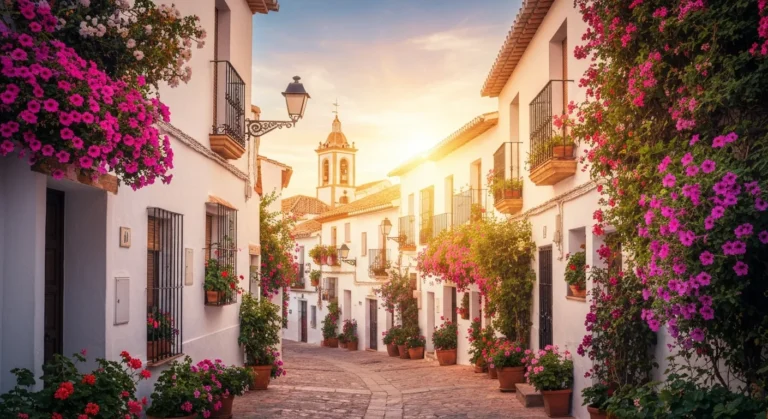
The Albaicín quarter (a UNESCO World Heritage Site along with the Alhambra) is a labyrinth of whitewashed houses with jasmine-covered walls climbing the hill opposite the Alhambra. The Mirador de San Nicolás — a terrace at the neighborhood’s peak — offers what is objectively one of Europe’s great views: the entire Alhambra complex against the backdrop of the Sierra Nevada mountains.
Timing the Mirador: Sunset crowds the terrace beyond function from April-September. Come at sunrise (6:30-7:30am in spring/summer) when you’ll share the view with a handful of photographers, or at golden hour (1 hour before sunset) and position yourself 15 minutes early. In winter, arrive whenever — the crowds thin dramatically and the Sierra Nevada snow backdrop makes the view even more dramatic.
Getting there: The Albaicín is not accessible by car — walk from Plaza Nueva (uphill, 20-25 minutes) or take the C31 minibus from Plaza Nueva (€1.40, runs every 10-15 minutes). The streets are authentic, confusing, and spectacular — getting briefly lost here is part of the experience, not a problem to solve.
While in the Albaicín: Tetería Nazarí on Calderería Nueva for Moroccan mint tea and pastries in a traditional Arab tea house. The Hammam Al Ándalus for a traditional bath experience (€27, book ahead). The Carmen de la Victoria — a garden terrace café with views nearly as good as Mirador de San Nicolás.
Sacromonte: Cave Flamenco
Sacromonte — the cave neighborhood carved into the hills above the Albaicín — is where Granada’s flamenco tradition originated and still genuinely lives. The caves have housed Gypsy (Romani) families for centuries; the flamenco performed here descends from those communities rather than tourist entertainment invented later.
A zambra show (the Granada-specific flamenco form) in a Sacromonte cave is nothing like the corporate flamenco theatres in Madrid or Barcelona. The space is intimate (20-30 people maximum), the performers are often third or fourth generation cave-dwellers, and the emotional intensity of watching flamenco in the actual conditions it developed is difficult to describe.
Recommended venues: Cueva de la Rocío, Venta El Gallo, and María la Canastera — all authentic family-operated caves. Prices: €25-35 including one drink. Book ahead via their websites. Ask for seats on the outer ring (closer to performers) rather than central bleachers.
Food and Drink: A Granada Eating Guide
Granada’s food culture is built around the free tapas system and the proximity to both sea (Malaga, Almería) and mountain (Sierra Nevada). The local specialties worth seeking:
Remojón granadino: Salt cod, orange, olives, and onion — a salad combination that sounds strange and tastes extraordinary. The citrus-cured fish combination is unmistakably Moorish in origin.
Pionono: The signature Granada pastry — a finger of sponge cake rolled around custard cream with a caramelized top. Invented by Ceferino Isla in 1897 in Santa Fe (a village outside Granada). Best source: La Flor de Torviscón on Calle Reyes Católicos.
Habas con jamón: Broad beans with Trevélez mountain ham (jamón from the village of Trevélez, cured at 1,476m altitude — the highest curing altitude in Spain). Simple, perfect combination.
Best tapas streets: Calle Navas and Calle Elvira for quantity, Calle Puentezuelas and the streets around the Realejo neighborhood for quality. Bar La Riviera and Los Diamantes (Calle Navas) are two of the city’s best-loved traditional tapas bars.
For more Spain travel guides, see our articles on Barcelona vs Madrid comparison, Seville travel guide, and our essential Spain travel tips.
Getting to and Around Granada
By air: Granada Airport (GRX) receives direct flights from several European cities (Ryanair, Vueling). Alternatively, fly to Malaga or Madrid and take the AVE high-speed train to Granada — Malaga to Granada by train takes 1h45m.
Within Granada: Walking serves most tourist areas. The Albaicín and Sacromonte require climbing shoes and energy. The Alhambra is 20 minutes uphill from the city center (walk, or take Bus 30 from Gran Vía). Taxi from city center to Alhambra: €7-9.
For accommodation booking, compare options via: Granada hotels on Booking →
Frequently Asked Questions
How many days do you need in Granada?
Minimum 2 days to see the Alhambra and Albaicín without rushing. 3-4 days allows you to absorb the city’s pace, explore Sacromonte, take a day trip to Sierra Nevada or Alpujarra villages, and experience the tapas culture properly. 5+ days is ideal for travelers who want to include the coast (1.5 hours to Nerja or Almería).
Is Granada expensive to visit?
Granada is one of Spain’s most affordable tourist cities. The free tapas culture means you can eat well spending €15-25/person/day on food. Accommodation runs €50-90/night for quality 3-star hotels in the city center. The main splurge is the Alhambra ticket (€19) and optional cave flamenco show (€30). Total budget for 3 days: €300-450 per person, all-in.
Do I need to speak Spanish in Granada?
English is understood in most tourist-facing businesses (hotels, major restaurants, Alhambra). However, Granada’s authentic tapas bars and local neighborhoods have minimal English spoken — a few basic Spanish phrases go a long way. The locals genuinely appreciate any Spanish effort, however basic.
What is the best neighborhood to stay in Granada?
The Realejo district (Jewish Quarter) and central area around Gran Vía de Colón are best for walkability — 20 minutes from Alhambra, 15 minutes from Albaicín, excellent local bars. The Albaicín itself is atmospheric but hilly and has limited taxi access. Avoid staying near the bus station area — too far from the main sights on foot.
Is the Alhambra worth the visit in 2026?
Unequivocally yes — it’s among the world’s most extraordinary human-made structures. The Nasrid Palaces’ geometric plasterwork, the symbolic use of water and light, and the sheer scale of a palace complex built at this standard in the 14th century are genuinely breathtaking. The key is buying tickets in advance and arriving at the first morning slot before crowds arrive.
Carlos Mendez is a Spanish travel writer and cultural journalist who has been writing about Spain’s regions, food culture, and history for international publications since 2014. Based in Madrid, he travels Spain continuously and covers destinations from the insider’s perspective.