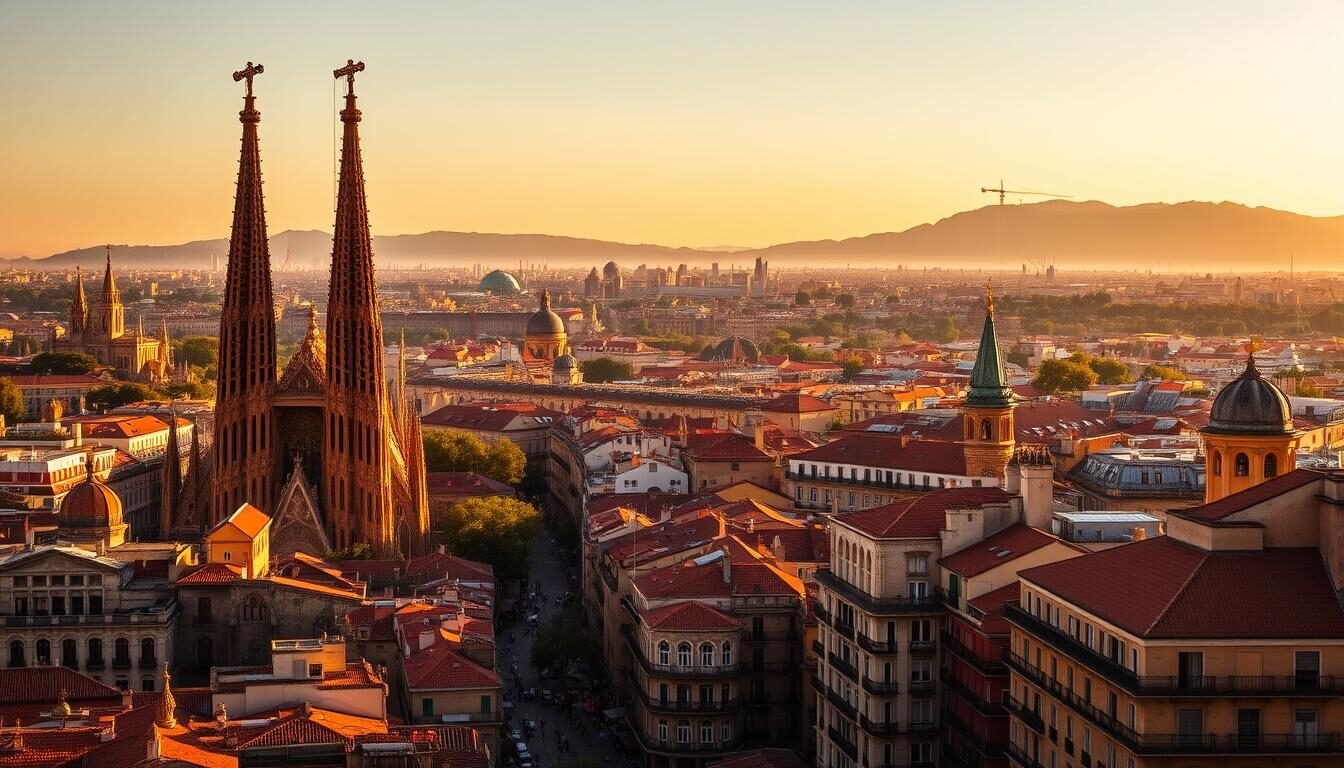
Discover Barcelona: Your Essential Travel Guide 2025
Did you know this Mediterranean hotspot welcomes over 12 million visitors yearly yet still preserves its distinct Catalan soul? As Spain’s cultural powerhouse, the city pulses with a rhythm all its own—where modernist architecture meets medieval alleyways and vermút hour lasts until midnight.
You’ll find more than just Gaudí’s surreal creations here. The Gothic Quarter’s cobblestone lanes whisper stories from the 15th century, while innovative chefs reinvent classic tapas in Born district kitchens. Locals debate football triumphs at corner cafes, their Catalan phrases mingling with the clink of espresso cups.
This guide unlocks both iconic landmarks and neighborhood secrets, helping you craft your perfect urban adventure. We’ll show you how to navigate efficient metro lines, choose between beachfront stays or Eixample’s grid-pattern elegance, and time your visit to avoid cruise ship crowds.
From sunrise churros con chocolate to moonlit flamenco rhythms, every moment here feels charged with passion. Ready to experience a place where ancient Roman walls stand beside rooftop cocktail bars? Let’s begin your journey through Europe’s most magnetic metropolis.
Introduction
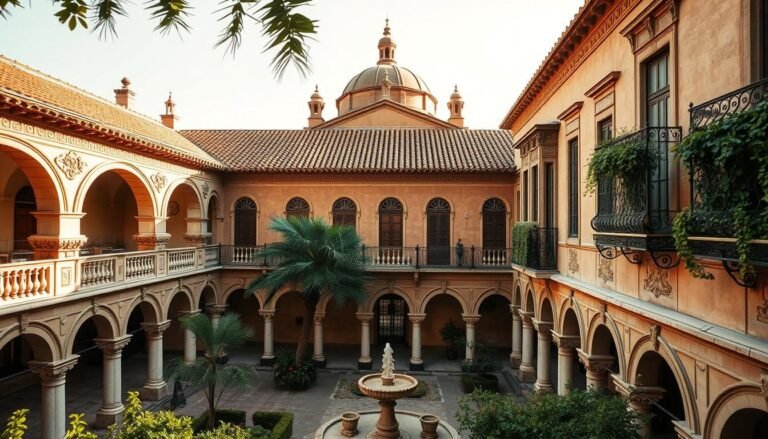
From the moment you arrive, the city’s vibrant energy wraps around you like a warm sea breeze. Ancient stone walls whisper tales of Roman settlers, while sleek design shops showcase tomorrow’s trends—all within the same few blocks. This is a place where time bends, letting you savor 15th-century courtyards and sip craft cocktails on solar-powered terraces in one unforgettable day.
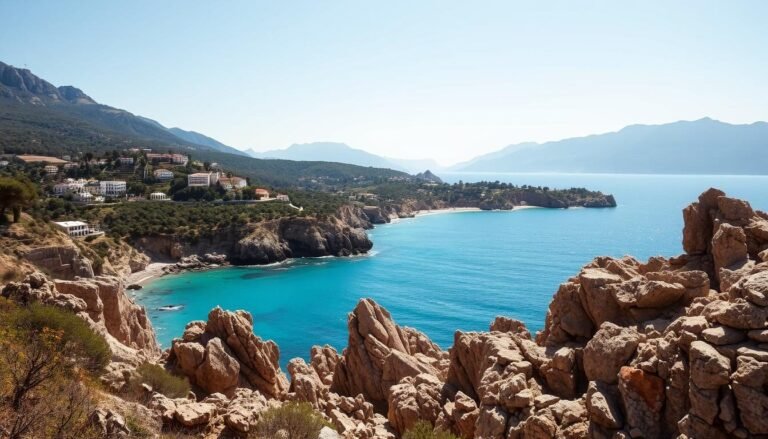
What makes this city truly special? Its geography gifts visitors with endless choices. Hike forested hills before lunch, then dip your toes in the Mediterranean by afternoon—all without leaving urban limits. Locals have perfected the art of living well, whether they’re debating football at family-run bodegas or dancing until dawn in converted warehouses.
| Experience | Morning | Evening |
|---|---|---|
| Historical | Gothic Quarter walks | Flamenco performances |
| Modern | Design museums | Mixology bars |
| Coastal | Beach cycling | Waterfront dinners |
The best way to explore? Let curiosity guide you. Duck into hidden patios blooming with orange trees, or follow the scent of freshly fried churros to street vendors. Our tips help you beat crowds at major sites while uncovering local favorites—like that tiny tapas spot where chefs reinvent classics using century-old recipes.
Barcelona Overview and Key Facts
With 1.6 million residents, this coastal gem balances urban energy with laid-back Mediterranean vibes. Its compact layout lets you stroll from Gothic cathedrals to beachfront tapas bars in under an hour. Spring (April-June) and autumn (September-November) deliver ideal temperatures – think 60s to 70s Fahrenheit – for exploring without summer crowds.
Most visitors spend 3-4 days here, enough time to marvel at architectural wonders and savor leisurely paella lunches. The metro system connects all major districts efficiently, though walking reveals hidden patios bursting with bougainvillea. Need a quick ride? Apps like Uber work seamlessly.
| Season | Avg Temp | Top Activities |
|---|---|---|
| Spring | 61°F – 79°F | Park picnics, Gaudí tours |
| Autumn | 59°F – 79°F | Beach days, food festivals |
Fly into El Prat Airport – just 25 minutes from downtown – where global flights land daily. Locals switch effortlessly between Catalan and Spanish, but English menus and signs simplify navigation. Pro tip: Late afternoons offer shorter lines at Sagrada Família as day-trippers leave.
How to Get to Barcelona
Reaching this Mediterranean gem couldn’t be simpler. El Prat Airport (BCN) serves as your main gateway, connecting you to 200+ global destinations. Over 50 million passengers stream through its terminals annually, yet the journey to the city center remains refreshingly straightforward.

Sky Routes Made Simple
Landing at El Prat puts you just 20 minutes from downtown. Taxis offer fixed €35 fares to central hotels – look for official green-and-black cabs. Prefer app-based rides? Uber, Bolt, and FreeNow operate here with upfront pricing.
Budget travelers love the Aerobus express. These blue coaches whisk you to Plaça Catalunya in 35 minutes for €7.25. They run every 10 minutes with free Wi-Fi and luggage racks. Night owls rejoice: service continues until 1:05 AM.
- Train: RENFE R2 Nord (Terminal 2) reaches central stations in 25 minutes
- Metro: L9 Sud line connects both terminals via 15 stops
- Pro tip: Buy T-Casual tickets for multiple metro/bus rides
Beyond the Runway
Coming from Europe? High-speed trains from Madrid (2h 30m) or Paris (6h 20m) arrive at Sants Station. FlixBus offers affordable routes from 30+ cities, while BlaBlaCar connects you with local drivers sharing rides.
Road trippers can rent cars at the airport, though we recommend waiting until you’re ready to explore Catalonia’s countryside. The AP-7 highway links coastal towns, but parking in the city costs €25-35 daily.
Navigating Barcelona: Transport Options
Getting around this coastal capital feels like unlocking different layers of its personality. Whether you’re tracing medieval pathways or zipping beneath centuries-old plazas, each mode of transport reveals new surprises. Smart choices here save both euros and energy—key for making the most of your days.
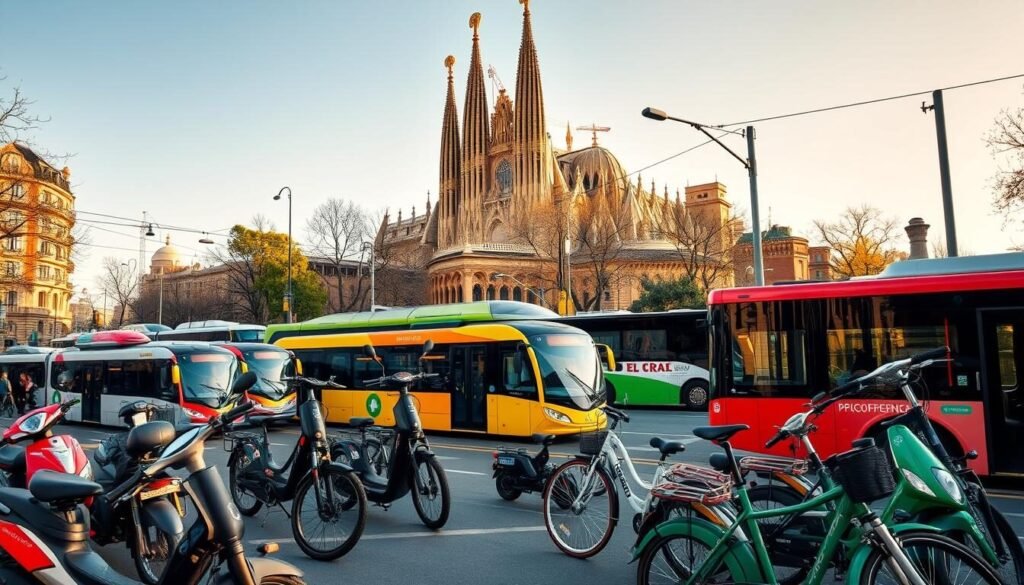
Step Smart: Feet First
Comfortable shoes become your best ally. The city’s walkable streets invite exploration, particularly in central areas where attractions cluster closely. Wander narrow lanes in El Born to discover hole-in-the-wall galleries, or follow shaded boulevards in Eixample past modernist facades.
When distances grow, the metro system shines. Trains arrive every 3 minutes during rush hours, connecting you to beaches and mountain viewpoints alike. Grab a T-casual pass—it covers buses and trams too.
| Option | Best For | Cost Per Ride | Operating Hours |
|---|---|---|---|
| Walking | Short distances & discoveries | Free | 24/7 |
| Metro | Speed & coverage | €2.65 | 5 AM–Midnight |
| Ride Apps | Group trips | €8–15 | 24/7 |
| Taxis | Late nights | €6–12 | 24/7 |
Wheels When Needed
Ride-sharing works best with strategy. Compare Bolt, FreeNow, and Cabify—prices fluctuate based on demand. Traditional taxis often cost less for quick hops, especially with luggage. Night owls appreciate their 24/7 availability when metro lines sleep.
Pro tip: Book rides early for airport transfers. Street-hailed cabs charge metered fares, while apps lock in rates upfront. Either way, you’ll glide past traffic using dedicated bus lanes.
Best Time to Visit Barcelona
Timing shapes every adventure here—pick your season like a local. Late April and September hit the sweet spot: mild weather meets manageable crowds. You’ll stroll through blooming plazas or golden-leafed parks without jostling through tour groups.
| Season | Temp Range | Vibe |
|---|---|---|
| Spring | 64°F–79°F | Floral magic, fresh energy |
| Summer | 77°F–93°F | Beach parties, long lines |
| Autumn | 64°F–79°F | Local festivals, golden light |
| Winter | 50°F–61°F | Cozy cafes, museum days |
March through May brings orange blossoms and sun-kissed days. Mornings feel crisp enough for hiking Montjuïc, while afternoons beg for beachside horchata breaks. Hotel rates stay reasonable before June’s tourist wave.
July and August turn the city into a furnace. Locals escape to coastal villages, leaving packed metro cars and overbooked restaurants. If you brave the heat, book skip-the-line tickets for Gaudí sites at dawn.
September’s secret? Warm Mediterranean waters and empty Gothic Quarter alleys. You’ll snag patio tables at chef-driven bistros and catch open-air concerts in Ciutadella Park. By November, markets overflow with roasted chestnuts and new wine.
Where to Stay in Barcelona
Your home base shapes how you experience the city’s magic. Neighborhoods range from medieval maze-like quarters to modernist masterpieces, each offering distinct vibes. For help choosing your perfect best places to stay, consider what fuels your adventure—artistic energy, architectural wonders, or sunset cocktails with skyline views.
Boutique Charm in El Born
El Born’s cobblestone streets hide design-forward hotels between tapas bars and artisan shops. Hotel Miiro Borneta dazzles with geometric-patterned rooms and a rooftop pool overlooking church spires. The Hoxton Poblenou mixes industrial chic with Mediterranean hues, its terrace bar serving gin tonics above creative studios.
Eixample’s Grandeur
Luxury seekers find paradise along Passeig de Gràcia’s wide avenues. Casa Bonay wins hearts with tiled floors and a palm-shaded rooftop terrace. Neighboring Hotel Pulitzer offers literary-themed rooms steps from Gaudí’s Casa Batlló. For five-star treatment, Mandarin Oriental Barcelona delivers spa treatments and Michelin-starred dining in a central location.
Pro tip: Book hotels with rooftop access—these elevated oases become private viewing platforms for Sagrada Família’s sunset light shows. Whether you prefer intimate boutiques or palatial suites, your choice of lodgings becomes part of the city’s story.
Neighborhood Guide: Historic and Trendy Areas
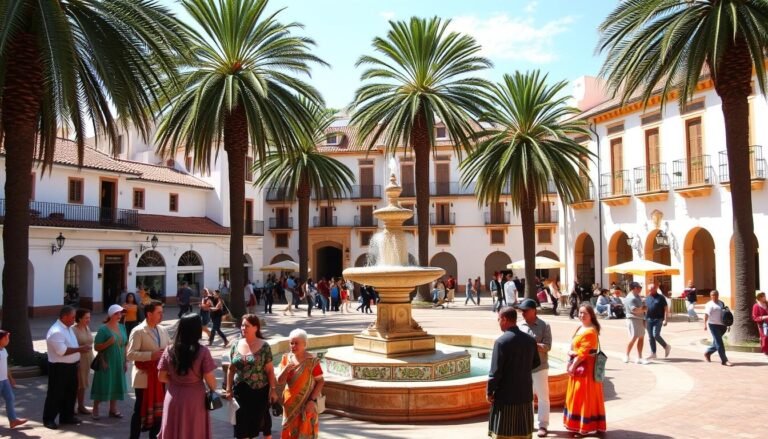
Step beyond the postcards and you’ll find a city where every corner tells two stories—centuries-old secrets etched in stone and modern creativity pulsing through repurposed spaces. The Gothic Quarter’s shadowed passageways contrast sharply with Gràcia’s sunlit squares, each district offering its own rhythm.
Where History Whispers
Lose yourself in the Gothic Quarter’s maze of narrow streets that haven’t changed width since medieval times. Your fingertips will brush Roman walls as you pass 13th-century chapels turned vinyl shops. Don’t miss the cathedral’s cloister—its resident geese still honk as they did in the 1400s.
Modern Pulse Points
Head to El Born for streets lined with concept stores inside former palaces. Gràcia charms with independent galleries and plaza-side vermouth bars. These areas blend the city’s artistic energy with local life—watch for pop-up markets in converted courtyards.
Pro tip: Let your feet guide you. That unmarked archway in the Gothic Quarter might lead to a flamenco jam session, while Gràcia’s alleyways hide artisan workshops crafting modern masterpieces.