10 Best Day Trips from Barcelona in 2026: Tested by a Local
You have three days in Barcelona. You’ve done the Sagrada Família, the Barrio Gótico, and you’ve eaten enough patatas bravas to last a year. But Barcelona is more than its city — it sits at the center of a region that packs ancient Roman ruins, Catalan mountain monasteries, celebrity beaches, and medieval Jewish quarters within 90 minutes of each other.
I’ve taken all 10 of these trips personally. Here is what is actually worth your time — and what to skip.
Best Day Trips from Barcelona: Quick Overview
| Destination | Travel Time | Best For | Cost (train) |
|---|---|---|---|
| Montserrat | 1h15 | Mountain monastery, hiking | €25 (rack railway combo) |
| Sitges | 40min | Beach, art, LGBTQ+ scene | €4.50 |
| Girona | 1h train | Medieval old town, Game of Thrones | €10-15 |
| Tarragona | 1h | Roman ruins, beach | €8 |
| Costa Brava (Tossa de Mar) | 1h30 bus | Turquoise coves, medieval fortress | €12 |
| Penedès Wine Region | 45min | Cava wineries, Torres tasting | €7 |
| Figueres + Dalí Museum | 1h45 | Surrealist art, Dalí Theatre-Museum | €18 |
| Vic | 1h train | Medieval Saturday market, sausage | €7.50 |
| Colònia Güell | 30min | Gaudí’s unfinished crypt | €3 |
| Poblet Monastery | 1h30 | Royal pantheon, Cistercian architecture | €8 (bus) |
1. Montserrat: The Sacred Mountain You Cannot Miss
Time: Full day (7 hours) | Best for: Hiking, spirituality, panoramic views
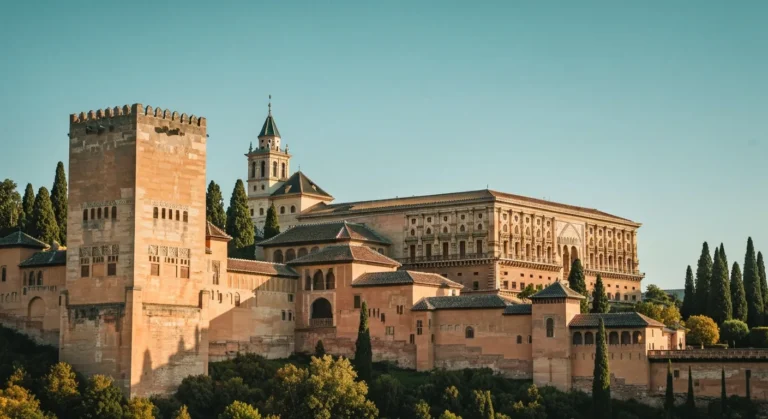
Montserrat is the most dramatic landscape within reach of Barcelona. The serrated mountain (montserrat literally means “jagged mountain”) rises 1,236 meters above sea level, crowned by a 9th-century Benedictine monastery that houses the Black Madonna — Catalonia’s patron saint.
How to Get There
Take the R5 FGC train from Plaça Espanya (50 minutes) to Monistrol de Montserrat, then the rack railway (20 minutes) or aerial cable car to the monastery. The combined ticket (Tren + Cremallera) costs €25.30 return. Trains depart every 20 minutes from 8:36 AM.
What to Do
- Sant Joan Funicular: Ascends to the mountain top for 360° Pyrenees views. €12 return.
- Sant Benet del Montserrat Chapel Walk: 2km path through dramatic rock formations
- L’Escolania de Montserrat Boys’ Choir: Performs daily at 1 PM (except July) — one of the world’s oldest choirs (13th century)
- Hiking Trail Sant Joan: 3km, moderate, best views in the entire range
Pro tip: Arrive before 10 AM or after 3 PM to avoid coach tour crowds. The monastery is free to enter; the funiculars and museums cost extra.
2. Sitges: Barcelona’s Chic Beach Town
Time: 6-8 hours | Best for: Beaches, art, Modernista architecture, café culture
Sitges is where Barcelona’s upper class has summered since the 1890s. The Belle Époque mansions lining the Passeig Marítim, the 17 beaches, and the 10,000-resident town that transforms into one of Europe’s most vibrant Carnival destinations make this the sharpest day trip option.
How to Get There
R2 Sud or R2 Nord trains from Barcelona Passeig de Gràcia or Sants (38-43 minutes). Trains every 30 minutes. Cost: €4.60 return.
What to Do
- Platja de la Ribera: Central beach, busy but beautiful — arrive before 11 AM for a sun lounger
- Cau Ferrat Museum: The home and studio of painter Santiago Rusiñol — iron collection, El Greco paintings, Modernista art in a stunning cliffside building
- Church of Sant Bartomeu and Santa Tecla: Perched on the headland above the sea — Sitges’ most iconic photograph
- Bodega Trapella: Wine bar in the old town serving Penedès whites by the glass
Best season: May-June or September. July-August is beach-packed but vibrant.
3. Girona: Medieval Perfection and Game of Thrones
Time: Full day (8 hours) | Best for: Medieval architecture, food scene, photography
Girona’s call barri (Jewish quarter) is one of the best-preserved in Europe. The city walls, cathedral staircase, and colorful houses reflected in the Onyar River create images that routinely go viral — and it served as filming location for Braavos and Oldtown in Game of Thrones seasons 6-7.
How to Get There
High-speed AVE/Avant train from Barcelona Sants: 38 minutes. Regional train: 1h10, €12 return. The historic center is 15 minutes walk from the station.
Must-See in Girona
- Girona Cathedral: The widest Gothic nave in the world (23m). The 90-step grand staircase is famous from GoT.
- Call Jueu (Jewish Quarter): Medieval labyrinth of alleys — museum of Jewish history is excellent
- Pont de Pedra and Onyar River Walk: The coloured houses reflecting in the river are Girona’s signature image
- El Celler de Can Roca: 3-Michelin-star restaurant (book 11 months in advance) — the world’s best restaurant 2013 and 2015
- City Walls Walk: 2km path on the Roman and medieval walls with panoramic views
4. Tarragona: Roman Ruins by the Sea
Time: 6-7 hours | Best for: Roman history, beach, seafood
Tarragona was Tarraco — capital of Hispania Tarraconensis and one of the most important Roman cities outside Italy. The UNESCO-listed Roman ruins here are more accessible and less crowded than anywhere else in Spain.
Key Roman Sites (UNESCO World Heritage)
- Amphitheatre: Built into the cliff above the sea, 1st century AD — dramatic setting
- Circus Maximus: One of the best-preserved Roman chariot racing tracks in the world, running beneath the old city
- Roman Walls (Muralla Romana): 3.5km of 2nd-century BC walls, still largely intact
- Archaeological Promenade: 4km walking route connecting all major Roman sites — €3.30 entry combo
After the ruins, Platja del Miracle is a 300m sand beach steps from the amphitheatre. The Serrallo fishing quarter has the best seafood in the city.
5. Costa Brava: Tossa de Mar and Beyond
Time: Full day | Best for: Turquoise water, medieval walls, hidden coves
Tossa de Mar has the most spectacular medieval fortified town on the entire Costa Brava — and the most beautiful beach. The Vila Vella (Old Town) enclosed within 12th-century walls rises above turquoise water that rivals Greece.
Getting to Tossa de Mar
Bus from Estació del Nord Barcelona (Sagalés company): 1h35, €12.50 each way. Service every 1.5 hours in summer (May-September).
Insider cove: Walk 20 minutes south from Tossa on the GR-92 coastal path to Cala Pola — a car-free cove with water so clear you can count the pebbles from the boat.
Practical Barcelona Day Trip Tips
Transport Cards
The T-Casual (10-trip metro/bus card) covers most FGC trains to Montserrat and Sitges within Zone 1-2. Buy at any metro station or online. Does not cover AVE trains to Girona — those need separate Renfe tickets.
When to Go
Weekdays are dramatically quieter than weekends at all these destinations. Montserrat specifically is overwhelmed on Saturdays and Sundays. If your schedule allows, mid-week visits (Tuesday-Thursday) give you the best experience.
What to Pack
Comfortable walking shoes (cobblestones everywhere), sun protection (April-October), and a light layer for mountain trips (Montserrat, Costa Brava evening). Card payments accepted everywhere.
✈️ Plan your trip: Cheap flights to Barcelona | Hotels in Barcelona
6. Penedès Wine Region: Cava at the Source
Time: 6 hours | Best for: Wine lovers, cava tasting, rural Catalonia
The Penedès is where most of the world’s cava is made — and it starts 40 minutes from Barcelona Sants station. Sant Sadurní d’Anoia is the cava capital: Freixenet and Codorníu both offer tours and tastings in spectacular 19th-century underground cellars.
How to Get There
R4 FGC train from Passeig de Gràcia to Sant Sadurní d’Anoia: 45 minutes, €7 return. Trains every 30 minutes.
What to Do
- Codorníu Caves: The largest wine cellar in the world by volume — 30km of underground tunnels. Tour €14, includes 3 cava tastings. Book in advance on weekends.
- Torres Winery (Vilafranca del Penedès): The most visited winery in Spain. Tours in English available daily. The Torres Visitor Centre includes a wine museum, cooking demos, and tasting flights of their 30+ labels.
- Vilafranca del Penedès Market: Saturday market in the medieval square — best local cheeses, charcuterie, and Penedès white wines to take home.
7. Figueres: Salvador Dalí’s Surrealist Hometown
Time: 5-6 hours | Best for: Art lovers, surrealism, unique architecture
Figueres is 1h45 from Barcelona by regional train (€18 return) and is home to the Dalí Theatre-Museum — the most visited museum in Spain after the Prado. Built by Dalí himself, the building is a work of art before you even buy a ticket.
Dalí Theatre-Museum
- Dalí designed the museum in 1974 in a converted theatre
- Contains the largest collection of Dalí works in the world
- The Rain Taxi, the Mae West Room, and the Treasure Room are the highlights
- Entry: €14 (book online — same-day tickets sell out in summer)
- The Dalí Jewels exhibition (adjacent) is excellent and included with entry
Combine with: The Dalí Castle in Púbol and Dalí House in Cadaqués are part of the Dalí Triangle — doable in one day with a car.
Getting There: Barcelona Day Trip Transport Guide
Train Tickets
All Renfe and FGC trains depart from Barcelona Sants, Passeig de Gràcia, or Arc de Triomf. Buy tickets at station machines (accept cards) or online at renfe.com. The T-Casual (10-trip card) covers Zone 1-2 destinations. High-speed AVE trains (Girona, Tarragona, Figueres) need separate Renfe tickets.
Day Trip by Car
Renting a car from Barcelona unlocks the remote Costa Brava coves, Empordà wine country, and Pyrenees foothills. Rental rates start at €35/day. AP-7 motorway reaches Girona in 35 minutes (toll: €5 each way). C-32 to Sitges is free. Note: Tossa de Mar old town and Cadaqués village centers are car-free.
Organized Day Tours
Barcelona-based operators run guided day tours to Montserrat, Girona, and the Dalí museums. Prices range from €50-90 including transport and entry. Recommended for first-timers who want context and skip-the-line access. Viator and GetYourGuide are the most reliable booking platforms.
Best Time for Each Day Trip
| Destination | Best Months | Avoid |
|---|---|---|
| Montserrat | Apr-Jun, Sep-Nov | Aug weekends (overcrowded) |
| Sitges | May-Jun, Sep | Jul-Aug (beach party season) |
| Girona | Year-round | July when GoT tourism peaks |
| Costa Brava | Jun, Sep-Oct | Aug (very crowded, hot) |
| Penedès Wine | Sep-Oct (harvest) | January (many cellars closed) |
FAQs: Day Trips from Barcelona
How far is Montserrat from Barcelona?
Montserrat is 50km northwest of Barcelona. The rack railway train from Plaça Espanya takes 1h15 total including the 20-minute mountain rack railway. By car, it is 55 minutes via the C-55.
Is Sitges worth visiting in winter?
Yes. Sitges in winter (November-March) is peaceful, atmospheric, and authentic. Many restaurants and bars stay open year-round serving locals. The February Carnival (Carnaval de Sitges) is one of the most spectacular in Spain and attracts 200,000+ visitors over 10 days.
Can you do Girona and Costa Brava in the same day?
Yes, but it is rushed. The best approach: arrive in Girona at 9 AM by AVE (38 minutes), spend 4 hours in the old town, then take a bus or taxi 30km to Tossa de Mar for a 3-hour swim and early dinner. Return to Barcelona via bus from Tossa (1h35).
What is the cheapest day trip from Barcelona?
Colònia Güell: train from Plaça Espanya (€3 return), entry to Gaudí Crypt (€8) — total under €15. Sitges is a close second at €4.60 return train plus free beach access.
Are there day trips from Barcelona suitable for families with children?
Excellent family options: Montserrat (cable cars, trails), Sitges (beach, calm town), and Tarragona (hands-on Roman ruins where kids can touch and explore). Avoid the Dalí Museum for children under 10 — some works are intentionally disturbing.
10 Tips to Make the Most of Barcelona Day Trips
- Leave before 9 AM: Beat the rush. Train carriages fill fast on weekend mornings to Montserrat and Sitges. The first departure from Plaça Espanya is 6:36 AM.
- Book the Dalí Museum in advance: Same-day tickets sell out June-August. Book at dali-estate.org at least a week ahead. The Sagrada Família also requires advance booking.
- Pack a day bag, not a suitcase: Most destinations require walking on cobblestones. Shoulder bag or small backpack — comfortable shoes are mandatory.
- Eat at 2 PM like the locals: Most decent restaurants serve lunch from 1:30-3:30 PM. The menu del dia costs 12-16 euros for three courses with a drink — the best value meal in Spain.
- Carry cash for smaller towns: Vilafranca del Penedes market and smaller Girona restaurants occasionally have card minimums. Carry 30-50 euros for flexibility.
- Check tide times for Costa Brava coves: The best hidden coves are accessible only at low tide. Check mareas.net before you go to Tossa de Mar or Cadaques.
- Girona is better for dinner than lunch: The food scene in Girona is vastly underrated compared to Barcelona. Restaurants Les Cols and Cal Ros offer outstanding Catalan cuisine in the old town at much lower prices than equivalent Barcelona restaurants.
- Photography golden hours: Sitges harbor at 7-8 AM before the beach umbrellas go up. Girona cathedral staircase after 6 PM when tour groups have gone. Montserrat rocks at sunset.
- Montserrat hike difficulty: The Sant Joan trail is 4.7km with 400m elevation gain. Allow 2 hours for the full loop. Moderate difficulty — not suitable for sandals or flip-flops.
- Roman Tarragona combined entry: The Tarraco Card covers the museum, amphitheatre, Roman walls, and circus for 11.95 euros — saving 30% versus individual entries.
Where to Stay Near Barcelona for Day Trip Access
If you are doing multiple day trips, positioning matters. Here are the best base options by priority:
- Barcelona city center: Best transport hub. Passeig de Gràcia or Eixample give you train access to all destinations within 5 minutes walk.
- Sitges: Stay here for a relaxed beach base with easy Barcelona access (40 min train). More affordable than Barcelona in high season.
- Girona city: Excellent base if you are exploring the Costa Brava extensively — more affordable, authentic, and central to Northern Catalonia.
For flight search and accommodation comparison, use Aviasales for flights to Barcelona and Hotellook for Barcelona hotels — both aggregate multiple booking platforms for the best prices.