Best Cities to Visit in Spain 2026: Barcelona, Seville, Granada and Hidden Gems
The best cities to visit in Spain in 2026 include Barcelona, Seville, Granada, San Sebastián, Madrid, and the up-and-coming Málaga — with Spain welcoming a record 94 million international tourists in 2025 according to Spain’s National Statistics Institute (INE), making it the second most visited country in the world.
By Carlos Ruiz, Spain Travel Writer at SpainSoul | Published: March 10, 2026
Best Cities to Visit in Spain 2026: A Complete Travel Guide
Spain in 2026 is more vibrant, more accessible, and more diverse than ever. From the architectural marvels of Barcelona to the flamenco-infused soul of Seville, from the cool pintxos bars of San Sebastián to the Moorish splendor of Granada’s Alhambra, Spain offers a kaleidoscope of experiences that few countries can match. This guide covers the best cities to visit in Spain in 2026, with insider tips on what to see, when to go, and how to make the most of each destination.
According to Turespaña (Spain’s National Tourism Board), tourism now accounts for 12.8% of Spain’s GDP — a figure that underscores the country’s status as a global travel powerhouse. And yet, for all its fame, Spain still rewards the curious traveler who ventures beyond the well-trodden paths.
Best Cities to Visit in Spain 2026: Top Picks
1. Barcelona — Architecture, Beach, and Modernisme
Barcelona is one of the world’s great cities — a place where extraordinary architecture, world-class food, a lively beach culture, and a buzzing nightlife converge. The UNESCO-listed Sagrada Família remains the city’s towering centerpiece; Gaudí’s masterwork is now over 90% complete after more than 140 years of construction, with the final towers expected to reach completion by 2028. Beyond Gaudí, the Eixample district showcases Modernisme architecture at every turn, while El Born and El Raval neighborhoods pulse with galleries, design shops, and innovative restaurants.
In 2026, Barcelona has introduced a new tourism strategy to balance visitor numbers with quality of life for residents, including restrictions on short-term rentals and new visitor management systems at top attractions. Book Sagrada Família tickets at least 6-8 weeks in advance — they sell out consistently.
2. Seville — The Heart of Andalusia
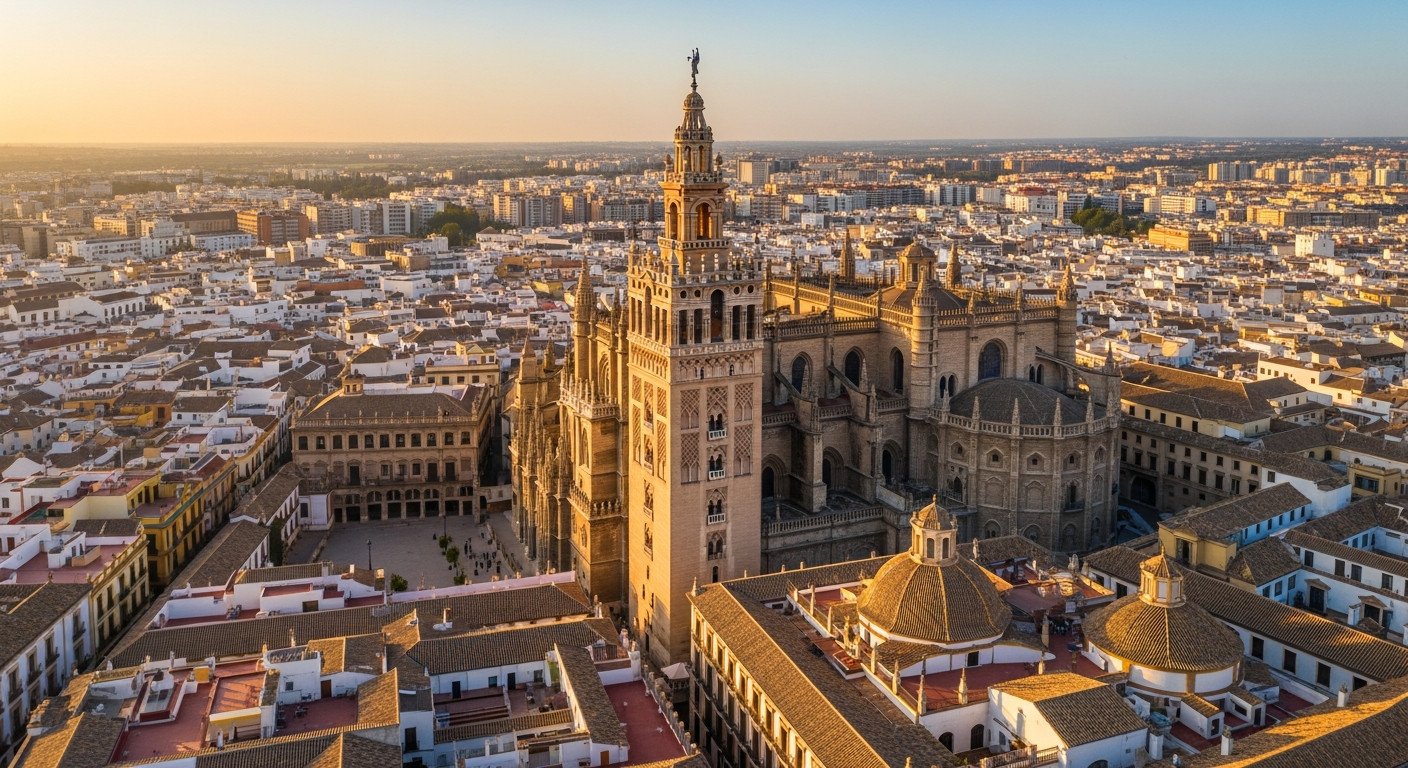
Seville is widely considered the most classically Spanish city in the country — and for good reason. The towering Gothic cathedral (the largest in the world by area), the Moorish Alcázar palace, and the labyrinthine Barrio Santa Cruz neighborhood form a World Heritage Site of extraordinary beauty. Add flamenco tablaos where the art form reaches its most passionate expression, a tapas culture that is second to none, and a riverside setting along the Guadalquivir, and Seville becomes utterly irresistible.
Seville’s Semana Santa (Holy Week) and Feria de Abril (April Fair) are among the most spectacular festivals in Europe. If you can time your visit to coincide with either event, you will witness Spanish culture at its most intense and magnificent.
3. Granada — The Alhambra and Living History
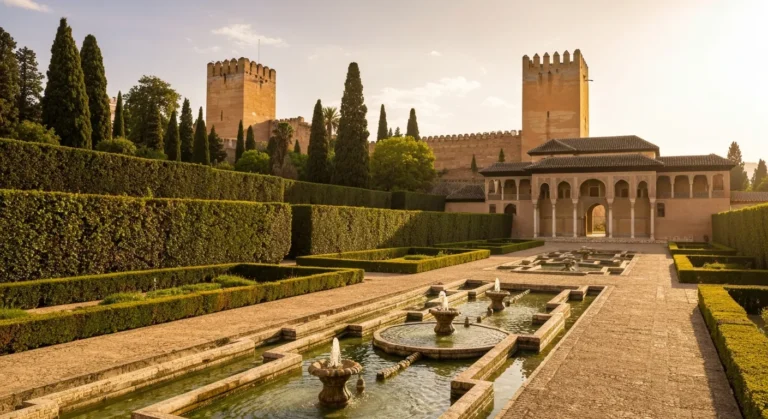
Granada is defined by one of the world’s most remarkable monuments: the Alhambra, a 13th-14th century Moorish palace complex set dramatically against the Sierra Nevada mountains. The Nasrid Palaces within the Alhambra are a zenith of Islamic architecture — every surface covered with intricate geometric tilework, carved stucco arabesques, and muqarnas vaulting of breathtaking complexity.
Beyond the Alhambra, Granada’s Albaicín — the old Moorish quarter — is a UNESCO World Heritage Site of narrow white-washed streets and tea houses with views of the palace glowing on the hillside opposite. Granada is also famous for its tapas culture: in most bars, a free tapa accompanies every drink ordered — a tradition that makes Granada one of the best-value food destinations in Spain.
4. San Sebastián (Donostia) — Culinary Capital of Spain
San Sebastián is Spain’s most decorated culinary city and the pintxos bar capital of the world. Per capita, it has more Michelin stars than any other city on the planet — a statistic that tells you everything about how seriously the Basques take their food. The pintxos bars of the Parte Vieja (Old Town) are the essential experience: narrow, raucous, and lined with countertops laden with extraordinary small bites washed down with chilled txakoli wine.
Beyond the food, San Sebastián is genuinely beautiful — a Belle Époque seaside city framed by two perfect surfing beaches (La Concha and Zurriola) and the distinctive hills of Urgull and Igeldo. The combination of natural beauty and gastronomic excellence makes it consistently ranked among the world’s best cities to visit.
5. Madrid — Art, Culture, and Staying Up Late
Madrid is Spain’s greatest museum city. The Prado (Velázquez, Goya, El Greco), the Reina Sofía (Picasso’s Guernica), and the Thyssen-Bornemisza form a “Golden Triangle of Art” that can absorb days of rewarding exploration. Madrid’s food market scene — anchored by the Mercado de San Miguel and the recently expanded Mercado de Vallehermoso — is world-class. And Madrid’s nightlife, famously starting when other cities are winding down, has an energy and scale that is hard to find anywhere else in Europe.
The city is also an ideal base for day trips: the Royal Palace and gardens of Aranjuez, the medieval fortress city of Toledo, the UNESCO-listed aqueduct of Segovia, and El Escorial monastery are all within 90 minutes by train or car.
Hidden Gems in Spain: Cities and Towns Beyond the Obvious
Málaga — The Rising Star of the South
Málaga has transformed itself dramatically in the past decade from a transit hub for Costa del Sol tourists into a genuinely compelling destination in its own right. The birthplace of Picasso now boasts the Museo Picasso Málaga, the Centre Pompidou Málaga (the only Centre Pompidou outside France), and the Colección del Museo Ruso — an extraordinary concentration of world-class art for a mid-sized city. The Soho district hums with street art, independent restaurants, and a creative scene that rivals Barcelona’s. Málaga’s tourism board reports hotel occupancy grew by 18% in 2025, confirming the city’s rapid rise as a must-visit destination.
Cádiz — Europe’s Oldest City
Cádiz sits on a narrow peninsula jutting into the Atlantic, and its bleached white city rising from the sea has a quality utterly unlike anywhere else in Spain. Founded by Phoenicians around 1100 BC — making it one of the oldest continuously inhabited cities in Western Europe — Cádiz has a faded magnificence that photographers and writers adore. The cathedral dome, visible from miles offshore, and the sunset from Paseo del Vendaval are unforgettable.
Bilbao — Guggenheim and Urban Renewal
Bilbao’s transformation from industrial port city to cultural powerhouse, catalyzed by Frank Gehry’s titanium-clad Guggenheim Museum in 1997, is one of urban regeneration’s great success stories. In 2026, the Guggenheim continues to draw visitors from around the world, but Bilbao offers much more: the ancient Casco Viejo with its seven original streets, the extraordinary Mercado de la Ribera, and a pintxos scene second only to San Sebastián 90 minutes up the coast.
Andalusia Travel Tips: Getting the Most from Spain’s South
Andalusia — the autonomous community encompassing Seville, Granada, Córdoba, Málaga, Cádiz, and the coast — is the most visited region of Spain for international tourists. Here are essential tips for exploring Andalusia in 2026:
- Book the Alhambra well in advance: The Nasrid Palaces are limited to a specific number of timed-entry visitors per day and sell out weeks or months ahead of time. Book your tickets the day they become available (90 days in advance) at alhambra-patronato.es.
- Travel between cities by AVE high-speed rail: Spain’s AVE network is excellent. Seville to Córdoba takes 45 minutes; Córdoba to Granada takes 1 hour 45 minutes by rail. Traveling by train is faster, more comfortable, and often cheaper than renting a car in southern Spain.
- Avoid peak summer heat: July and August in Seville regularly see temperatures of 42-45°C — genuinely dangerous for sightseeing. Visit in March-May or September-November for ideal conditions. Spring in Andalusia is glorious.
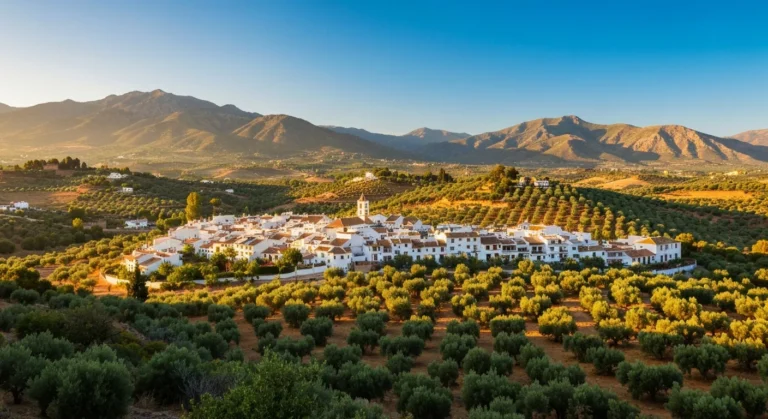
- Explore the white villages (Pueblos Blancos): The route through the white villages of the Sierra de Grazalema — Zahara de la Sierra, Setenil de las Bodegas, Grazalema itself — is one of the most scenic drives in Spain and bypassed by most international visitors.
Compare thousands of hotels with free cancellation options.
Spain Travel Practical Guide 2026
Best time to visit Spain: March to May and September to November are ideal for most destinations. The shoulder seasons offer warm, pleasant weather without the extreme summer heat and peak-season crowds. Spring is particularly magical — wildflowers blanket the countryside and the Easter week festivals are spectacular.
Getting around: Spain’s AVE high-speed rail network is one of Europe’s best, connecting Madrid to Barcelona (2h 30min), Seville (2h 30min), Valencia (1h 30min), and beyond. For rural areas and the coast, a rental car offers the most flexibility. Spain’s domestic flights are also affordable and frequent on the major city routes.
Budget guidance: Spain is significantly more affordable than France, Italy, or the UK. Budget travelers can comfortably manage on €60-80/day including accommodation, meals, and transport. A mid-range daily budget of €120-180 allows for boutique hotels, restaurant meals, and day trip activities. According to Eurostat’s 2025 Cost of Living Index, Spain ranks as the 5th most affordable country in Western Europe for tourism.
Language: Castilian Spanish is spoken nationwide, but Catalan, Basque (Euskera), Galician, and Valencian are co-official languages in their respective regions. English is widely spoken in tourist areas, hotels, and restaurants in major cities and coastal resorts. Learning a few phrases in Spanish is always appreciated.
Frequently Asked Questions: Best Cities to Visit in Spain 2026
What is the best city to visit in Spain for first-time visitors?
Barcelona is typically recommended for first-time visitors due to its extraordinary combination of Gaudí architecture, beach culture, world-class food, and lively nightlife. However, Seville is the more classically Spanish experience — if you can only choose one for Andalusia, Seville offers the deepest immersion in traditional Spanish culture, flamenco, and gastronomy.
What are the best hidden gems in Spain for 2026?
The best hidden gems in Spain for 2026 include Cádiz (Europe’s oldest city, with a stunning Atlantic setting), the white villages of Andalusia’s Sierra de Grazalema, the medieval city of Úbeda and Baeza (UNESCO World Heritage), the volcanic Canary Island of La Palma, and the unspoiled northern coastline of Asturias and Cantabria.
Is Spain safe for tourists in 2026?
Spain is among the safest countries in Europe for tourists. Standard precautions apply in busy urban areas and tourist hotspots: be aware of pickpocketing in crowded markets and public transport, keep valuables secure, and stay aware of your surroundings. The emergency number throughout Spain is 112.
How many days do you need in Spain?
Two weeks is ideal for experiencing multiple Spanish cities and regions. A 7-10 day itinerary can cover Madrid, Toledo, Seville, and Granada comfortably. If focusing on one region — Andalusia or Catalonia — 5-7 days allows thorough exploration without rushing.
What are the best Andalusia travel tips for 2026?
Key Andalusia tips: book the Alhambra 90 days in advance (Nasrid Palaces sell out fast), travel by AVE high-speed train between cities, visit in spring or autumn to avoid extreme summer heat, explore beyond Seville and Granada to discover Córdoba’s Mezquita, Cádiz’s old city, and the Pueblos Blancos route through the Sierra de Grazalema.