Andalusia Travel Guide: Expert Tips for Your Trip 2025
Did you know southern Spain’s sun-drenched landscapes host over 3,000 years of layered history? This vibrant corner of Europe blends Roman aqueducts, Moorish fortresses, and Gothic cathedrals into a living museum where every cobblestone whispers tales of conquest and creativity.
Stretching from Portugal’s border to the Mediterranean coast, this region spans eight distinct provinces. Imagine wandering through whitewashed villages where flamenco dancers’ heels click like castanets, or savoring fresh seafood in bustling markets that have operated since medieval times.
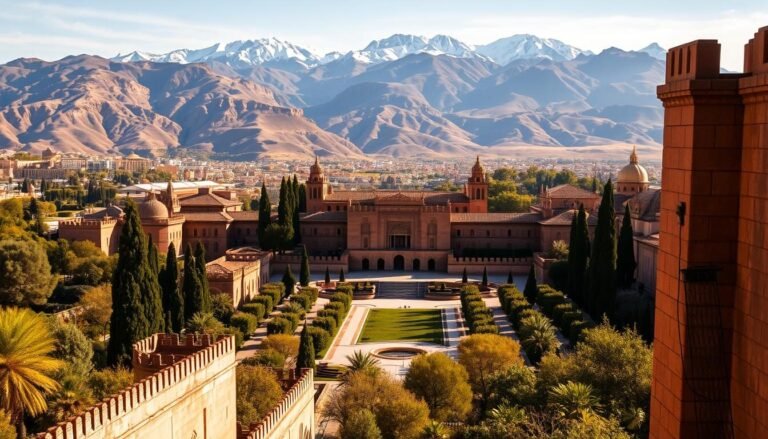
Your journey here reveals why UNESCO recognizes multiple sites across the area. From Granada’s Alhambra Palace to Córdoba’s flower-filled patios, architectural marvels stand beside modern tapas bars serving sherry-aged delicacies. You’ll find snow-capped mountains just hours from golden beaches—a geography as diverse as its cultural tapestry.
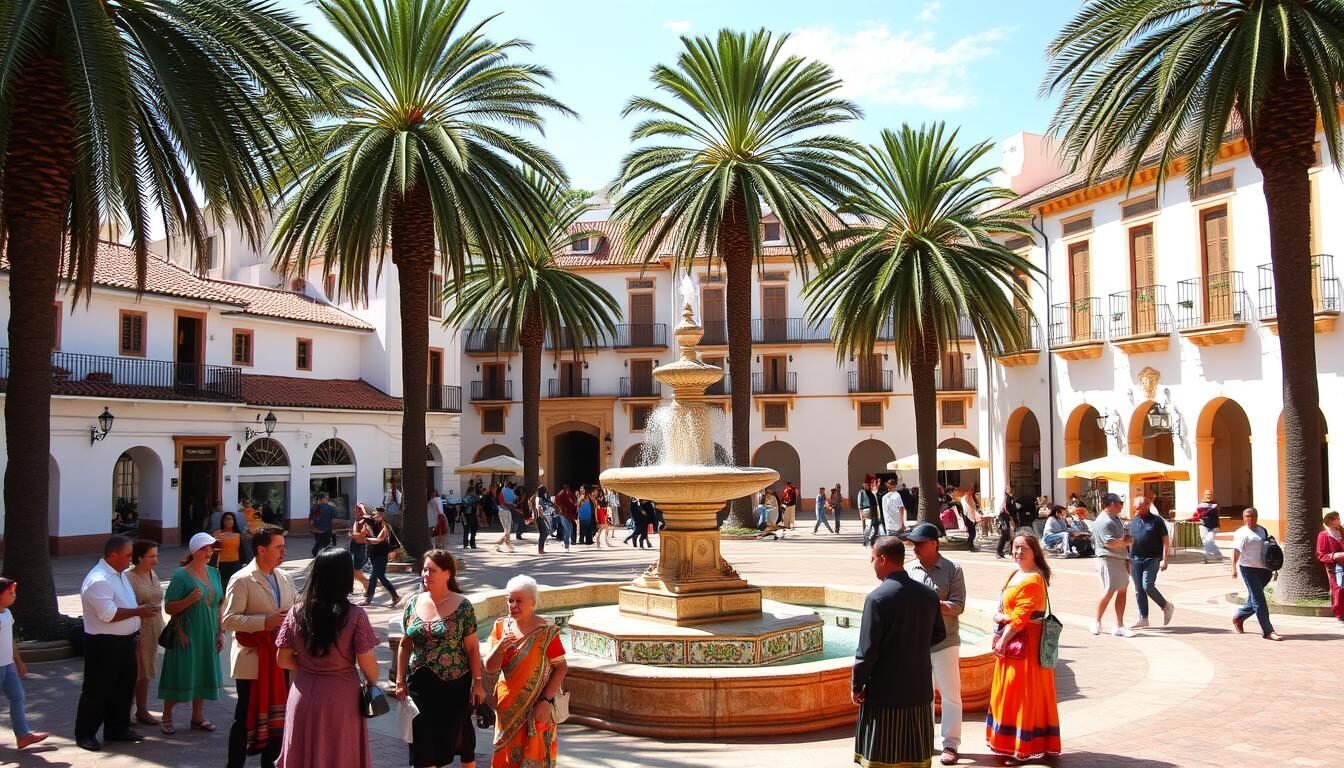
This guide unlocks hidden plazas where locals gather for afternoon sobremesas and lesser-known hiking trails with panoramic views. You’ll learn to navigate winding streets designed for horse carts and discover why spring’s orange blossom fragrance makes it the ideal season to explore.
Ready to trade generic itineraries for authentic experiences? Let’s dive into the heart of Spain’s most storied region—where every sunset paints a new adventure.
Explore Andalusia’s Rich History and Heritage
Seven hundred years of Moorish rule reshaped this region into a crossroads of civilizations. You’ll find UNESCO World Heritage Sites standing beside modern streets, where ancient stones whisper stories of empires risen and fallen.
Where East Meets West in Stone
The Moors left their greatest mark in Granada’s Alhambra. Marvel at honeycomb ceilings and reflecting pools that showcase Islamic design principles. These spaces weren’t just beautiful—they demonstrated world-leading engineering for their time.
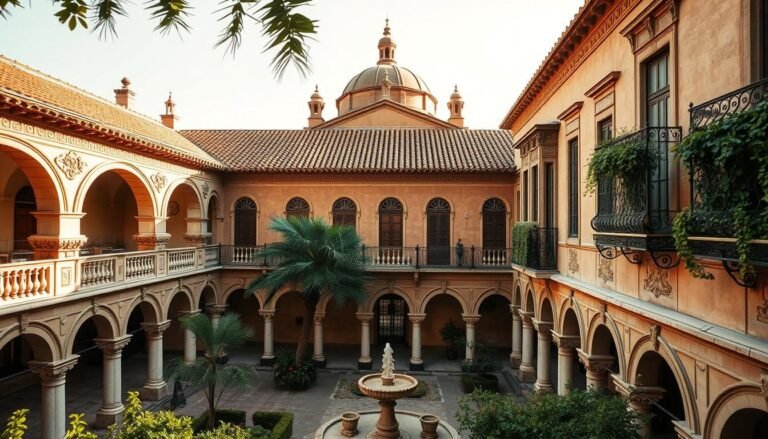
Christian conquerors later blended Moorish styles with Gothic elements. This fusion created the Mudéjar tradition seen in Seville’s Alcázar. Look for Arabic script carved beside Christian symbols in these living history books.
Older Than Rome
Dig deeper to uncover Roman theaters in Málaga and Cádiz’s Phoenician ruins. These sites prove multiple cities thrived here long before medieval times. The Baelo Claudia ruins near Tarifa reveal a complete Roman fishing town frozen in time.
Coastal watchtowers built 3,000 years ago mark Phoenician trading routes. Each layer of stone tells how sea-faring cultures shaped the region’s identity. You’re literally walking across a patchwork of history with every step.
Getting There: Transportation Options for Your Visit
Planning your journey requires smart choices to maximize exploration time. Two international airports serve as primary gateways, while Spain’s rail network offers efficient alternatives for city-to-city connections.
Airport Arrivals Simplified
Málaga and Seville airports connect you to major European hubs and Moroccan cities like Casablanca. While no direct flights from North America exist, most U.S. travelers connect through Madrid or Barcelona. This layover lets you experience Spain’s capital before your southern trip.
Rails and Roads Less Traveled
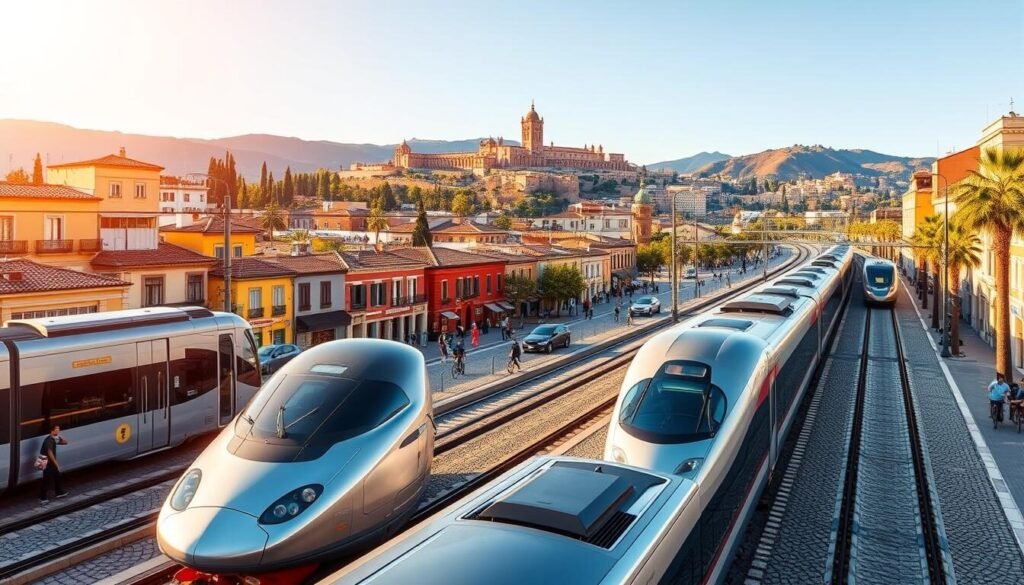
Spain’s AVE trains transform transportation into sightseeing. These high-speed routes from Madrid to Córdoba (1h40m) or Granada (3h10m) glide past olive groves and sierras at 186 mph. Check typical fares and durations:
| Route | Duration | Price Range |
|---|---|---|
| Madrid → Seville | 2h20m | €40-€120 |
| Madrid → Málaga | 2h30m | €50-€130 |
| Madrid → Granada | 3h10m | €60-€140 |
Renting a car at stations or airports unlocks remote villages and coastal routes. Though public transport works well between cities, wheels let you discover hidden hotels and sunset viewpoints most visitors miss.
Navigating Andalusia: Public Transport and Car Rentals
Spain’s efficient transport network lets you move between cities and coastal areas like a local. Whether you’re admiring Gothic cathedrals or cliffside villages, smart choices save time and money.
Smart Moves Between Destinations
High-speed trains connect Seville, Granada, and Málaga in under 2 hours. These sleek rides offer WiFi and panoramic views of olive groves—perfect for covering long distances comfortably. For shorter hops, buses cost 90% less with tickets averaging €1 in urban areas.
Compare popular routes:
| Transport | Average Cost | Best For | Coverage |
|---|---|---|---|
| Trains | €15 | City-to-city | 8 major cities |
| Buses | €1-€5 | Local exploration | 100+ towns |
Grab the Tarjeta de Transporte Metropolitano for 20% discounts on buses and metros. Ride-sharing apps like Uber work in Seville and along the coast, while traditional taxis serve smaller towns.
Though public options excel in cities, renting a car unlocks hidden mountain trails and secluded beaches. Coastal drives between Nerja and Tarifa reveal cliffside vistas most visitors never see. Just remember—narrow village streets favor compact vehicles over SUVs.
Immersing Yourself in Spanish Culture and Traditions
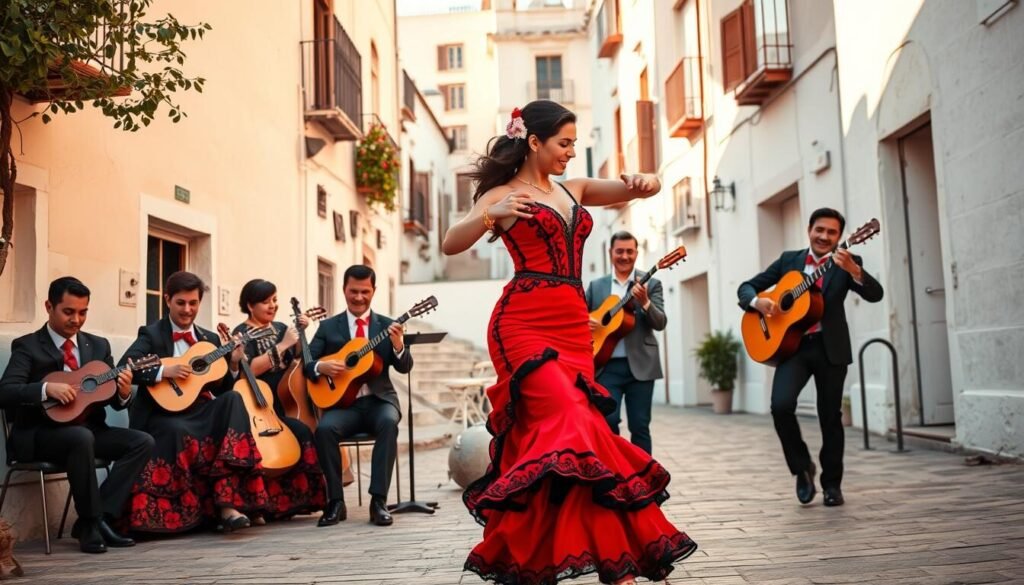
Rhythmic footwork echoes through candlelit rooms as flamenco artists channel centuries of passion. This art form pulses through southern Spain’s veins, blending cante (song), toque (guitar), and baile (dance) into raw emotional storytelling.
Flamenco, Bullfighting, and Festivals
Experience flamenco where it began—in intimate peñas clubs where locals gather after midnight. The guitar’s cry and dancer’s staccato heels reveal Romani roots mixed with Moorish scales and Spanish folk music. These performances aren’t shows—they’re communal catharsis.
Bullfighting remains a polarizing tradition, yet Seville’s 18th-century Maestranza arena still draws crowds. Whether you attend or not, understanding its historical role in culture adds depth to your journey. Many venues now host corridas de rejones (horseback bullfighting) for a less contentious experience.
Time your visit with one of 500+ annual festivals. Compare three major celebrations:
| Event | Location | Key Features |
|---|---|---|
| Feria de Abril | Seville | Flamenco dresses, horse parades |
| Semana Santa | Granada | Nighttime candlelit processions |
| Romeria del Rocío | Huelva | Pilgrimage with singing crowds |
Spring brings flower battles in Córdoba’s patios, while summer’s verbenas (street parties) light up Málaga. Locals treat these events as family reunions—join the dance circles and taste rebujito cocktails for full immersion.
Uncovering the Coastal Charms of the Costa del Sol
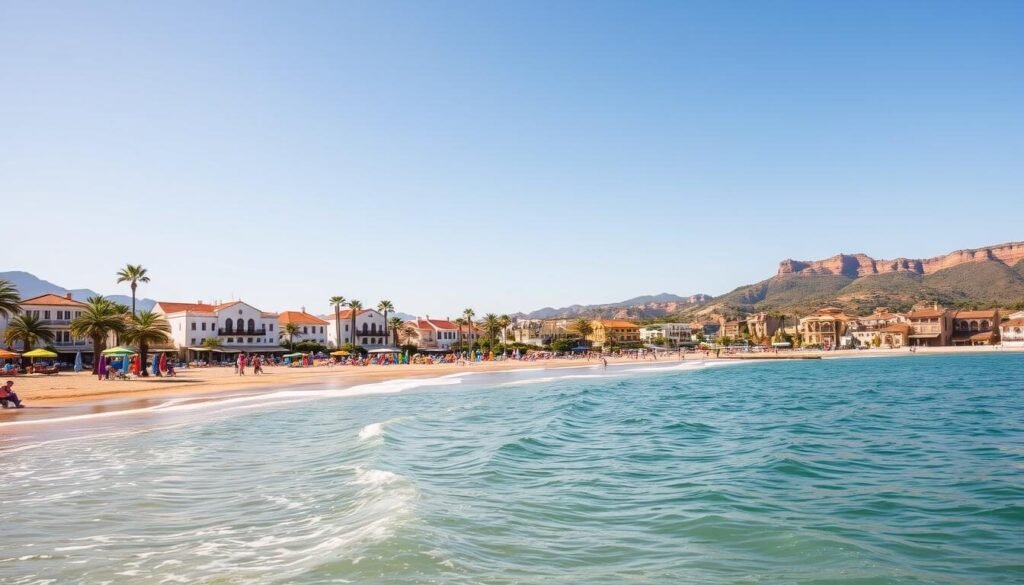
Golden sunlight dances on waves along 100 miles of Mediterranean shoreline. The Costa del Sol blends jet-set glamour with fishing village authenticity—you choose your pace. Start in Málaga, where modern promenades meet historic ports, then let the coast reveal its dual personality.
Beach Resorts and Hidden Seaside Villages
Marbella’s Puerto Banús dazzles with superyachts and designer boutiques. Just 45 minutes west, Estepona’s flower-filled alleys host family-run tapas bars. Your days here swing between beach club cocktails and watching fishermen mend nets at dawn.
Compare two iconic stops:
| Location | Vibe | Highlights |
|---|---|---|
| Marbella | Luxury playground | Golden Mile mansions, Nikki Beach |
| Estepona | Traditional charm | Old Town murals, Playa La Rada |
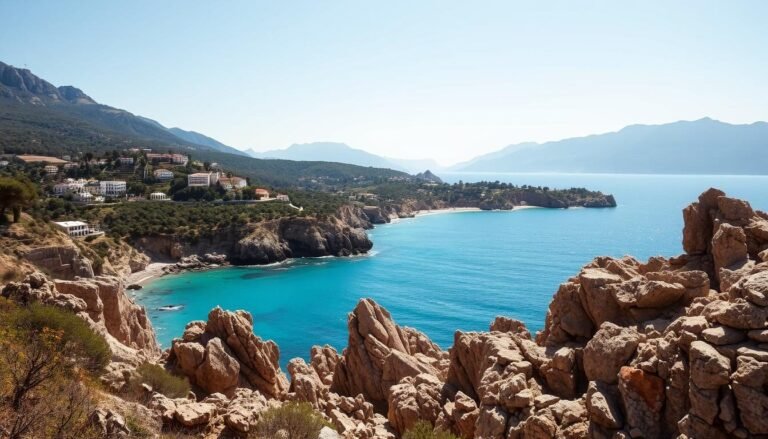
Secluded coves near Nerja offer quiet swims where cliffs meet turquoise waters. For beach adventures, try kite-surfing in Tarifa or snorkeling Cabo de Gata’s marine reserve. Evening brings paseos (strolls) along boardwalks scented by salt and fried sardines.
Family-owned resorts near Fuengirola provide authentic stays with rooftop terraces. Upscale options in Marbella feature golf courses designed by champions. Wherever you stay, don’t miss chiringuitos—these beach shacks serve grilled octopus that melts in your mouth.
Exploring Majestic Mountain Ranges and Natural Parks
Towering peaks crowned with snow dominate southern Spain’s skyline, offering nature lovers year-round adventures. These rugged landscapes blend alpine thrills with Mediterranean warmth—a rare combination that lets you ski and swim on the same day.
Where Peaks Meet the Sea
The Sierra Nevada National Park houses Spain’s highest mountain range, with Mulhacén peak reaching 11,413 feet. Winter brings powder days on Europe’s southernmost ski slopes, while summer reveals wildflower meadows perfect for hiking. Base yourself in Granada for easy access to chairlifts and coastal beaches just 90 minutes apart.
Compare seasonal activities:
| Season | Adventure | Unique Perk |
|---|---|---|
| Winter | Skiing/Snowboarding | Latest European season (through May) |
| Spring | Wildflower Hikes | 3,000+ plant species bloom |
| Summer | High-Altitude Trekking | Panoramic Africa views |
Beyond the Snow Line
The Las Alpujarras region showcases white villages clinging to mountain slopes. Walk ancient footpaths past terraced farms where water channels built by Moors still irrigate cherry orchards. Spot Spanish ibex grazing near trails or golden eagles circling above.
For broader nature exploration, visit protected reserves like Cabo de Gata’s volcanic cliffs. Stay in rural guesthouses to learn about conservation efforts and traditional crafts—your visit helps preserve these landscapes.
Discovering Iconic Cities and Landmarks
Three urban jewels shine brightest in southern Spain’s crown of cultural treasures. Each city blends architectural masterpieces with lively plazas where history feels alive in the present.
Seville, Granada, and Córdoba Must-Sees
Seville’s attractions dazzle with contrasts—the futuristic Metropol Parasol shades medieval streets below. Reserve tickets early for the Alcázar’s night tours when moonlight transforms Moorish courtyards into silver-lit wonderlands.
Granada rewards planners with dual world heritage sites: the Alhambra’s palace complex and the Albaicín’s labyrinthine alleys. Smart travelers book combo tickets covering both areas to skip lines at peak hours.
Córdoba’s Mezquita-Catedral reveals layered history through striped arches and Renaissance additions. Visit Tuesday-Thursday when city residents fill patios with geraniums, creating floral tunnels between whitewashed homes.
Pro tip: Many attractions offer free entry during last opening hours. Grab discounted tickets at tourist kiosks for multi-site passes—they often include bonus entries to lesser-known museums in these cities.