Seville Travel Guide: The City That Defines Spanish Soul Forever
Did you know this sun-drenched destination holds three UNESCO World Heritage Sites within its city limits? Nestled along the Guadalquivir River in Spain’s Andalusia region, it’s a place where orange trees line cobblestone streets and centuries-old palaces hum with modern energy.
You’ll find a cultural mosaic shaped by Roman, Moorish, and Christian influences. The scent of saffron-infused stews mingles with guitar notes drifting from tucked-away taverns. Flamenco isn’t just dance here – it’s a heartbeat echoing through intimate tablao venues.
This guide unlocks secrets beyond the iconic Cathedral and Real Alcázar. We’ll show you how to navigate hidden patios in Santa Cruz and snag sunset views from Triana’s ceramic-tiled bridges. You’ll learn when to avoid crowds at Plaza de España and where locals sip tinto de verano as church bells chime.
From securing timed tickets for Giralda Tower to finding family-run tapas bars, our tips turn first-time visitors into savvy explorers. Ready to trade generic tours for authentic moments? Let’s dive into the rhythms of a city that’s been perfecting its charm for over 2,000 years.
Welcome to Seville – A City of Passion and History
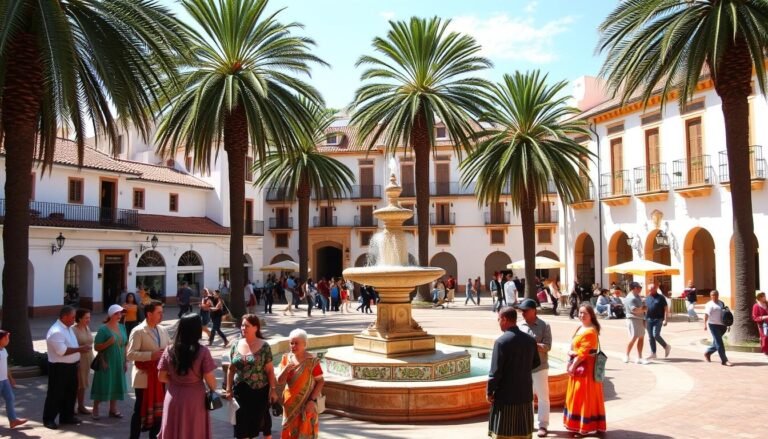
Sunlight dances on ceramic tiles as church bells announce another golden hour in this living museum of Spanish heritage. Narrow streets hum with energy where flower boxes overflow with geraniums and laughter spills from corner tapas bars.
Immerse Yourself in Spanish Culture
Feel the duende – that raw emotional spark – when a flamenco singer’s raspy voice cuts through the night air. Locals greet strangers like old friends, sharing stories over plates of salmorejo in sunlit plazas. Moorish archways frame modern art galleries, proving history here isn’t frozen in time.
Your morning coffee might be accompanied by guitar rehearsals drifting through open windows. By afternoon, you’ll navigate mosaic-tiled courtyards where orange blossoms perfume the air. This city doesn’t just showcase culture – it lives it through daily rituals.
Setting the Scene for Your Adventure
Neighborhoods reveal distinct personalities. Triana’s ceramic workshops clatter beside riverside seafood joints, while Santa Cruz’s labyrinthine alleys hide candlelit flamenco caves. Evening brings the paseo – that magical hour when families stroll beneath balconies draped in bougainvillea.
Festivals transform plazas into whirlwinds of color and sound. From April’s Feria de Abril to spontaneous street performances, the people here turn ordinary moments into celebrations. Pack comfortable shoes – every cobblestone pathway leads to new discoveries.
Your Essential seville travel guide for Navigating the City
Mastering the city’s rhythm starts with savvy bookings and knowing when to walk versus ride. Locals will tell you spontaneity has its limits here – the secret to stress-free exploration lies in preparation.
Planning Your Trip and Booking Tips
Consider your ticket purchases the golden rule. Major attractions like Real Alcázar see wait times over 90 minutes without advance reservations. Restaurants and flamenco venues fill up nightly – book tables weeks before arrival, even in off-peak months.
Timed entry passes save hours better spent sipping sangria in hidden plazas. Check official sites for combo deals bundling multiple landmarks. Evening shows often sell out by noon, so secure seats when planning your daily itinerary.
Insider Advice on Transportation and Foot Exploration
Lace up comfortable shoes – the historic center unfolds best on foot. You’ll cover Cathedral to Triana Bridge in 15 minutes flat. Cobblestone alleys reveal flower-draped patios cars can’t access.
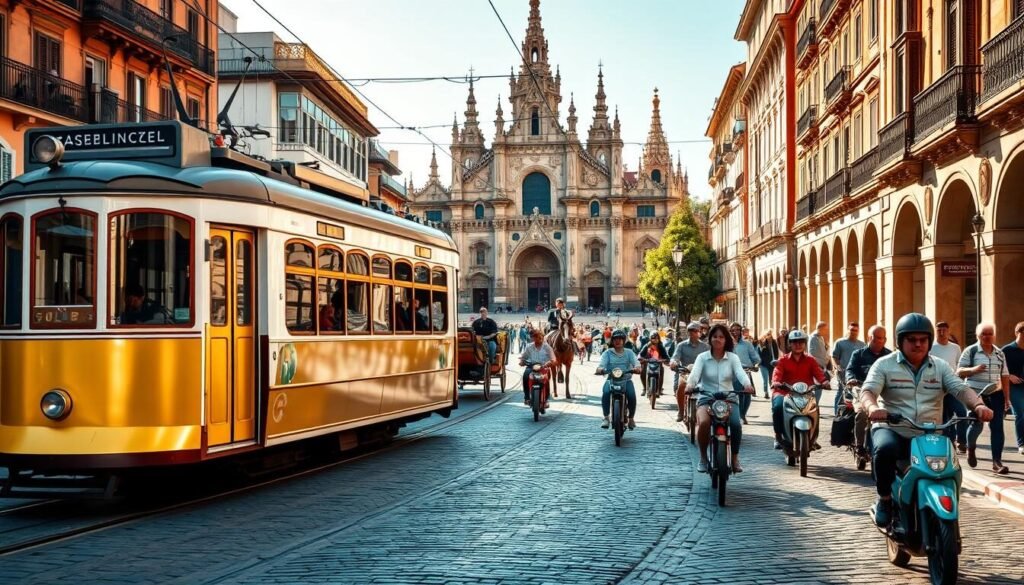
Need to cross town? Uber rides cost less than bottled water back home. Trains and buses shine for day trips, but skip rental cars unless visiting nearby pueblos. Evening trams offer breezy sightseeing when temperatures drop.
Iconic Landmarks and Architectural Wonders
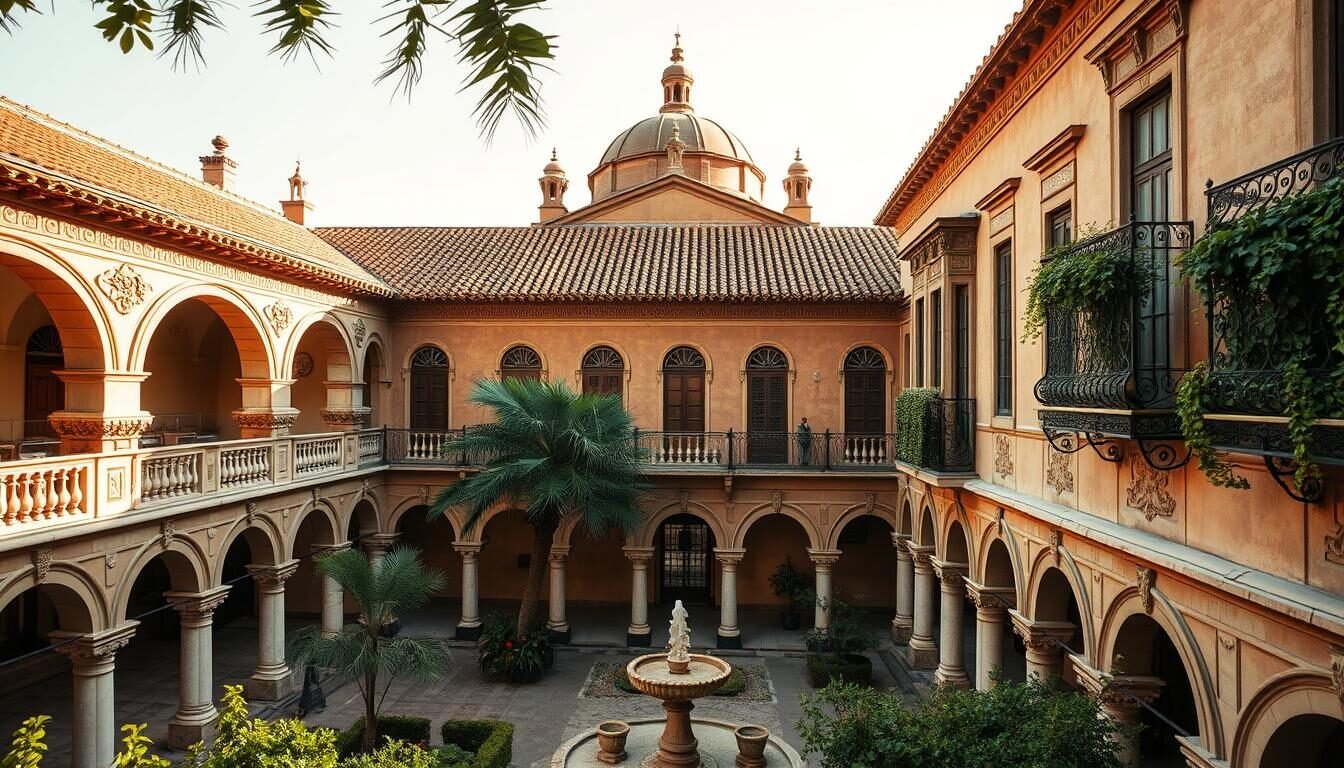
Step into a living timeline where stone carvings whisper stories of empires. The city’s crown jewels blend Moorish elegance with Renaissance grandeur, creating spaces that feel both ancient and alive.
Real Alcázar and the Giralda Tower
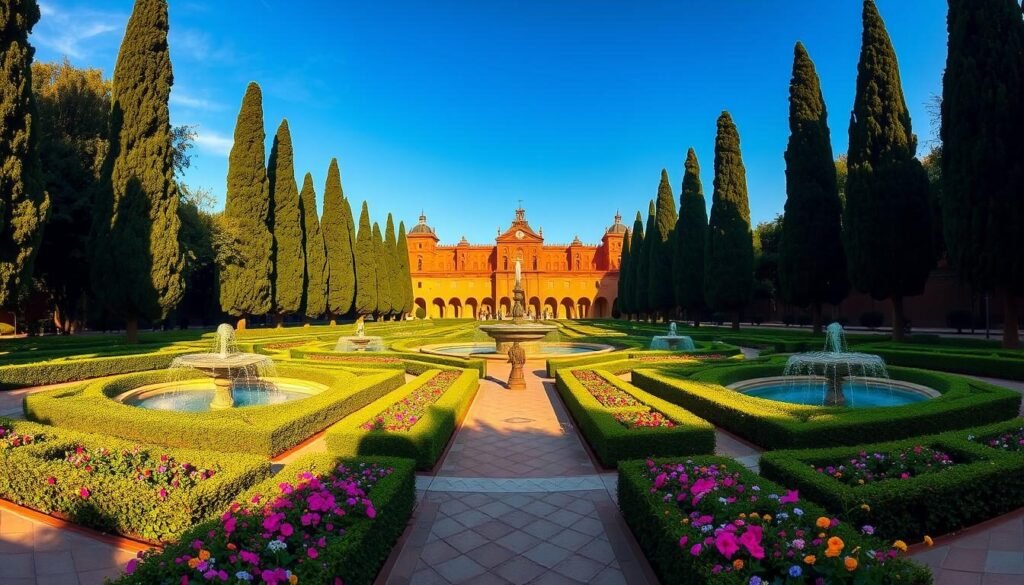
Your first glimpse of the Real Alcázar will steal your breath. This palace complex layers Islamic geometric patterns beneath Gothic vaulted ceilings – a physical map of cultural collisions. Don’t rush through the Hall of Ambassadors; sunlight filtering through its golden dome reveals hidden zodiac symbols.
The gardens become an open-air museum after sunset. Follow the scent of jasmine to hidden fountains where water dances to flamenco rhythms. Up in the Giralda Tower, original ramps (not stairs!) let medieval riders ascend on horseback – climb them for views stretching to the Sierra Norte mountains.
Seville Cathedral & Plaza de España
Inside the Seville Cathedral, Christopher Columbus’s tomb rests atop statues representing Spain’s medieval kingdoms. Look up – the nave’s height equals a 45-story building. Those orange trees in the courtyard? They’ve grown here since the 12th-century mosque days.
At Plaza de España, ceramic tiles turn geography into art. Each alcove maps a Spanish province with vibrant scenes. Rent a rowboat at dawn – when sunlight hits the canal, you’ll glide through liquid gold. Pro tip: Thursday mornings see fewer tour groups.
Book timed tickets for all four sites 60 days out. Arrive 30 minutes before opening to beat heat and crowds – guards often let early birds enter first. Guides wearing blue badges offer certified historical insights worth the extra euros.
Discovering Historic Neighborhoods and Local Charm
Time bends differently in these labyrinthine alleyways where centuries-old stones hold whispers of merchants, musicians, and midnight trysts. This is where the city’s soul lives – not in grand monuments, but in the rhythm of daily life unfolding behind wrought-iron gates.
The Enchanting Santa Cruz Quarter
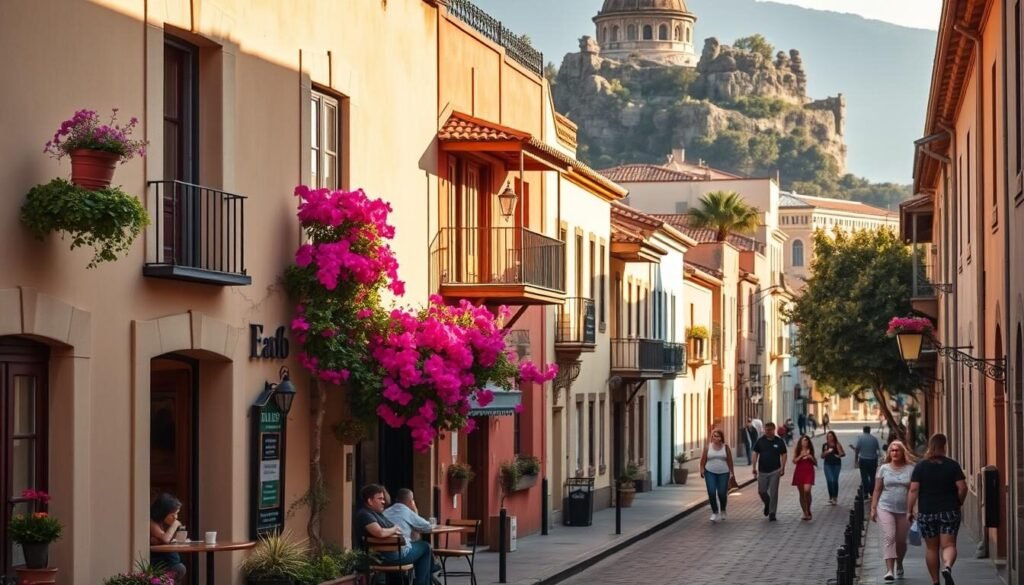
Get ready to lose yourself – literally – in the Santa Cruz quarter’s puzzle of cobblestone paths. Whitewashed walls glow like fresh parchment under the Andalusian sun, their surfaces interrupted by bursts of fuchsia bougainvillea. You’ll find no straight lines here, only curves that lead to secret plazas where orange trees shade mosaic benches.
This old town area doubles as a living history book. Modern tapas bars occupy buildings that once sheltered medieval Jewish families. Artisans still shape ceramics using techniques from the 1600s, their workshops tucked beneath archways draped in jasmine.
Come evening, the real magic begins. Families gather in pocket-sized squares as children chase soccer balls past 15th-century fountains. Open windows leak guitar melodies that mix with the clink of wine glasses. Don’t rush – these streets reward those who wander without maps or agendas.
Stay overnight if you can. Waking to church bells echoing through flower-filled courtyards transforms you from visitor to temporary local. With the Alcázar just steps away, you’ll beat the crowds to its iconic gates at sunrise.
Experiencing Art, Culture, and Flamenco
The pulse of Andalusia beats strongest when heels click against wooden floors in dimly lit rooms. This city transforms ordinary evenings into emotional journeys through art forms passed down for generations. You’ll find creativity bursting from historic theaters, backstreet studios, and museums preserving centuries of cultural legacy.
Flamenco Shows and Spanish Guitar Melodies
Book seats at La Casa del Flamenco to witness raw passion under vaulted ceilings. Performers’ footwork echoes like rapid-fire poetry, while guitarists pluck melodies that twist your heartstrings. Smaller venues like Tablao El Arenal offer candlelit nights where singers’ raspy voices tell tales of love and loss.
Time your visit during the Bienal Festival (September-October) for world-class shows. Combine dinner with performances through tapas and flamenco tours – savor garlic shrimp between fiery dance numbers. Locals recommend arriving early to feel the room’s energy build.
Museums and Cultural Encounters
The Museo del Baile reveals flamenco’s evolution through interactive exhibits. Watch artisans shape ceramics in Triana using techniques from the 1600s – their workshops double as living galleries. Modern art spaces like CAAC contrast starkly with Gothic architecture, proving tradition and innovation coexist here.
| Venue | Experience | Best For |
|---|---|---|
| La Casa del Flamenco | Intimate courtyard shows | First-time visitors |
| Tablao El Arenal | Dinner + performance packages | Special occasions |
| Casa de la Memoria | Acoustic perfection | Music purists |
| Museo del Baile | Historical exhibits | Cultural deep dives |
Galleries along Calle Regina showcase emerging Andalusian painters. Don’t miss the Triana Ceramic Museum – its tile collection turns functional objects into storytelling masterpieces. These spaces prove art here isn’t just observed – it’s felt in your bones.
Savoring Seville – Tapas, Cuisine, and Culinary Adventures
Your taste buds become time travelers here, where every bite carries centuries of flavor evolution. Tapas culture turns meals into movable feasts – follow the clatter of ceramic plates to discover why this food tradition became UNESCO-listed intangible heritage.
Best Tapas Bars and Local Dishes
Start at El Rinconcillo, operating since 1670. Chalkboard menus showcase snails in cumin sauce – order with crusty bread using the counter’s ancient tally system. For modern twists, Eslava serves honey-glazed ribs on slate slabs – book tables two nights ahead.
Essential bites include golden pescaíto frito (fried fish) and chilled gazpacho in clay cups. Pair them with tangy manzanilla sherry or citrus-kissed fino wine. Night owls thrive in La Alfalfa district, where bar hoppers share standing tables under fairy lights.
| Venue | Specialty | Vibe | Reservation Tip |
|---|---|---|---|
| Abantal | Foie gras croquettes | Upscale | Book 1 week prior |
| Café Central | Churros con chocolate | Retro café | Walk-ins welcome |
| Bodega Santa Cruz | Montaditos (mini sandwiches) | Lively local spot | Arrive before 1pm |
Pro tip: Embrace the tapeo ritual – graze small plates across 3-4 bars nightly. Let bartenders guide you through seasonal specials like spring asparagus with romesco sauce. The real magic happens when strangers become friends over shared food discoveries.
Top Accommodations – From Boutique Hotels to Budget Stays
Your choice of pillow matters more than you think here. Whether you crave rooftop pool views of the Giralda or need practical bases near transit hubs, the city delivers memorable stays across all budgets. Discover best hotels in Seville that turn lodging into part of your cultural experience.
Luxury Options and Historic Hotel Recommendations
Sleep like royalty at Hotel Alfonso XIII, where hand-painted tiles meet marble floors in a 1929 landmark. Modernists adore Nobu Hotel Sevilla – its minimalist rooms contrast beautifully with the historic Santa Cruz surroundings. For intimate charm, Corral del Rey hides rooftop terraces behind its 17th-century palace facade.
Boutique lovers find paradise at Plácido y Grata. Scandinavian design accents play against traditional archways, just steps from the Metropol Parasol. History buffs should book Mercer Sevilla – this restored 19th-century mansion serves breakfast in a courtyard shaded by orange trees.
Comfortable Budget-Friendly Choices
Smart travelers save euros at Ibis Styles Sevilla City Santa Justa. Its train station proximity cuts transportation costs, while colorful rooms offer USB ports and blackout curtains. You’ll find cheaper prices here than in the tourist center, with bus routes connecting to major sights.
Several places near Alameda de Hércules balance affordability and local flavor. Guesthouses in this artsy district often include bike rentals – perfect for exploring the city’s flat terrain. Remember: summer stays book fast, even at budget properties.
Navigating the City: Transportation, Routes, and Practical Tips
Moving through this Andalusian gem becomes effortless once you master its transport rhythms. Whether arriving by rail or air, smart choices save time for exploring hidden patios and sunset vistas.
Using Trains, Buses, and Uber Efficiently
The Santa Justa train station serves as your gateway to Spain’s high-speed network. Direct AVE trains whisk you to Madrid in 2.5 hours – book early for best fares. Regional services connect to Córdoba and Granada from platforms adorned with ceramic art.
Local bus routes shine for reaching Parque de María Luiga or Triana Market. Download the TUSSAM app for real-time updates – routes C5 and 21 circle major landmarks. Night buses run until 2am, perfect for late-night churro cravings.
Rideshares cost less than €10 across the city center. Use Uber to reach Santa Justa train station with luggage – drivers know shortcuts around narrow lanes. For airport transfers, the EA bus runs every 20 minutes to Plaza de Armas.
Remember: the historic core rewards foot explorers. Cobblestone streets between the Cathedral and river measure under a mile. Save wheels for midday heat escapes – trams along the Guadalquivir offer breezy sightseeing.